Business 244
Rimac Confirms Two More BMW Models in Pipeline
In this issue
Business 244
Rimac Confirms Two More BMW Models in Pipeline
Culture 279
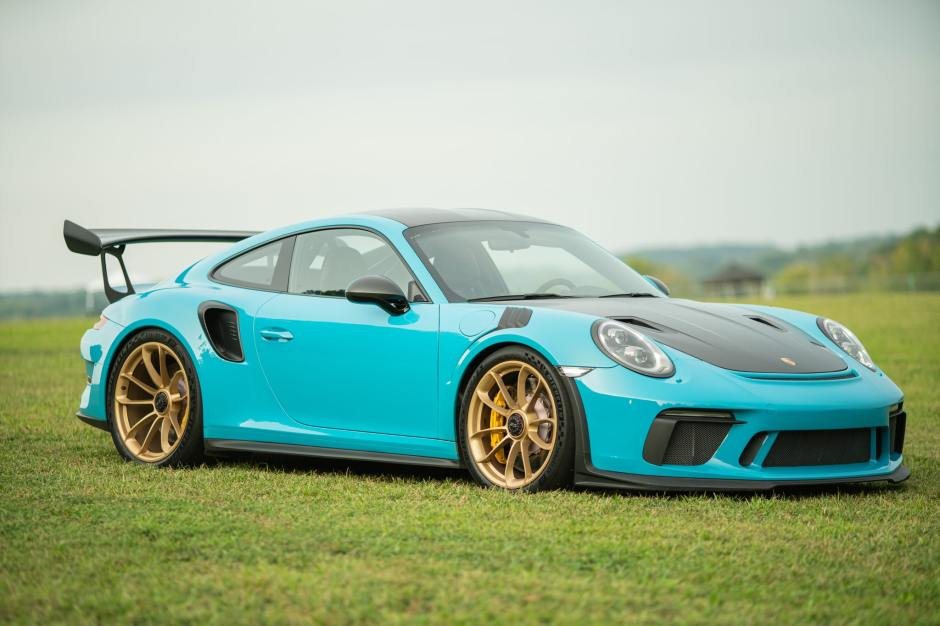
Miami Blue Porsche 911 GT3 RS with Weissach Package Heads to Auction
Economy 41
German Economists Set Income Threshold for the Upper Class
News 159
Orionid meteor shower set to peak with fast, bright fireballs
Politics 115
Burnham launches crackdown on loud music on public transport
Sports 283
Alfa Romeo Takes Centre Stage at 44th Lime Rock Historic Festival
Technology 325
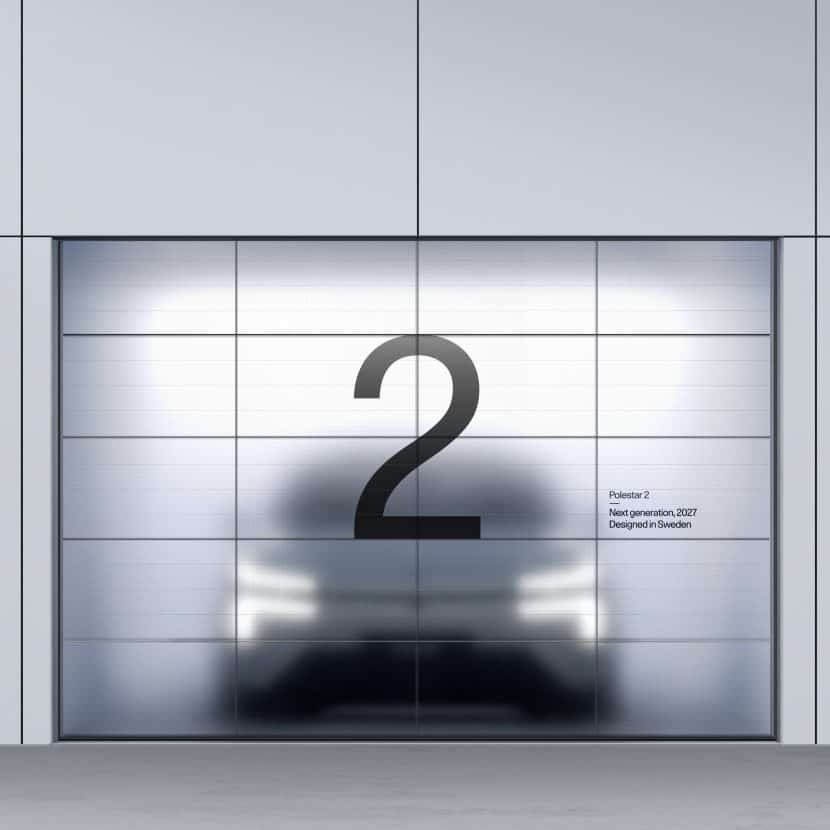
Polestar Aims to Outdrive BMW i3 With Next-Generation 2
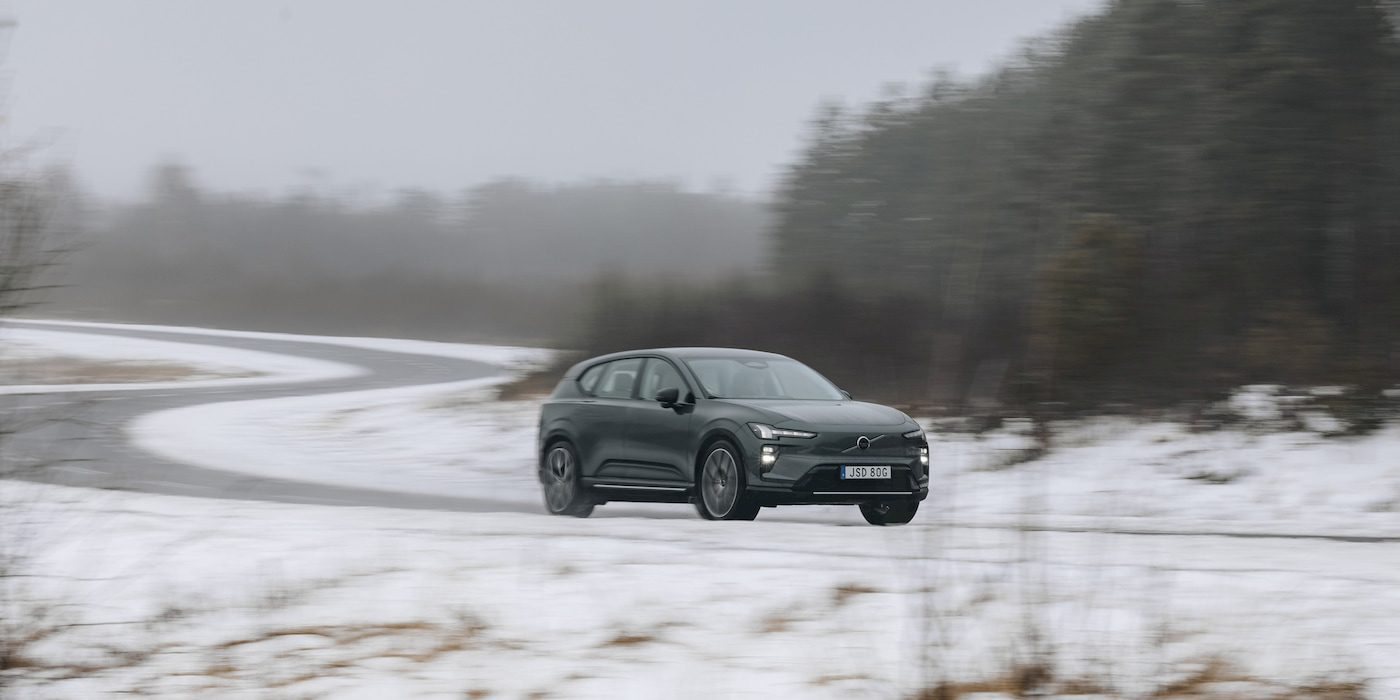
Volvo has taken over 50,000 orders for its new EX60 electric SUV but built only 5,000 since April, with CEO Håkan Samuelsson warning that the model's financial contribution will be delayed as the company posts a £280 million quarterly loss and cuts 2,500 jobs.
By Eleanor Ellington · 4 min read
Volvo's efforts to turn around its fortunes are being held back by slower-than-expected production of the EX60, the electric SUV it hopes will become one of its most profitable models. The Swedish carmaker has taken more than 50,000 orders for the vehicle, but has built only 5,000 units since production began in April.
Chief executive Håkan Samuelsson said the ramp-up is «taking longer than planned» and warned that the model's «financial contribution will be delayed as we are not ramping up to the plan we had before». The delay is particularly poorly timed: Volvo has posted losses of nearly £280 million for a «very disappointing» third quarter and announced plans to cut its workforce by 2,500 as part of a drive to rebuild profits.
The EX60 is central to Volvo's recovery strategy. Samuelsson said it will eventually serve as «one of the company's best profit-contributing models», but its impact on the bottom line will not be fully realised until output reaches capacity at the Torslanda plant near Gothenburg. Volvo has invested around £750 million in the facility to build electric vehicles based on its new SPA3 platform.
That architecture introduces a radical megacasting production method, which reduces the number of individual bodywork components, and an innovative cell-to-body battery packaging arrangement. Volvo cited the battery packaging as the main reason behind the delay and said the setback is unrelated to the software issues that held up the larger EX90 in 2024.
Chief commercial officer Erik Severinson said it has been «difficult to start production as we want» because the SPA3 platform requires significant adaptation to the production process. Samuelsson said the slow start highlighted the differences between the EX60 and Volvo's existing electric vehicles, and that the company is steadily accelerating output.
«If you want to have class-leading new technology, it means a higher risk to implement than continuing with more conventional technology,» he said. «In this new car, its megacasting has caused us no headaches. It is really the assembly of batteries directly into the underbody of the car, which is a highly automated process.»
He explained that the EX60 battery's roughly 100 cells cannot be inserted manually but must be handled by an automated process, making for «a highly complex mechanical assembly line». He added that he is «quite confident that we will master that», saying: «We were maybe too optimistic in the ramp-up, but we are improving.»
The slow start contrasts with the progress of a close rival. BMW recently announced it had taken 100,000 orders for its iX3, with its new factory in Hungary ramping up more quickly than any BMW plant in history. Production of the iX3 was recently boosted by a third shift at the Debrecen facility, which is now running at capacity around the clock.
Volvo still plans to expand its electric line-up. The EX60 will be joined next autumn by a more affordable SPA3-based electric vehicle, thought to be a successor to the ageing EX40 crossover. For now, the priority is to lift EX60 output at Torslanda and deliver on the order book that has built up since launch.
7