

Business 119
BYD Plans Three European Assembly Plants and a Battery Factory
In this issue
Business 119
BYD Plans Three European Assembly Plants and a Battery Factory
Culture 123
Safari-Style 2010 Porsche 911 Carrera 4S Coupe Heads to Auction
Economy 30
HMRC is writing to low earners about pension top-ups averaging about £70
News 127
London Mayor Funds Safer Streets for Women and Girls
Politics 105
Reform UK's Welsh Leader Dan Thomas Resigns After Arrest on Suspicion of Assault
Sports 238
Ab Jenkins and the Salt Flats: How Pennzoil Backed the Quest for Speed and Safety
Technology 141
CATL and Octopus Energy Launch Swaptopus Battery Swap Network for Trucks
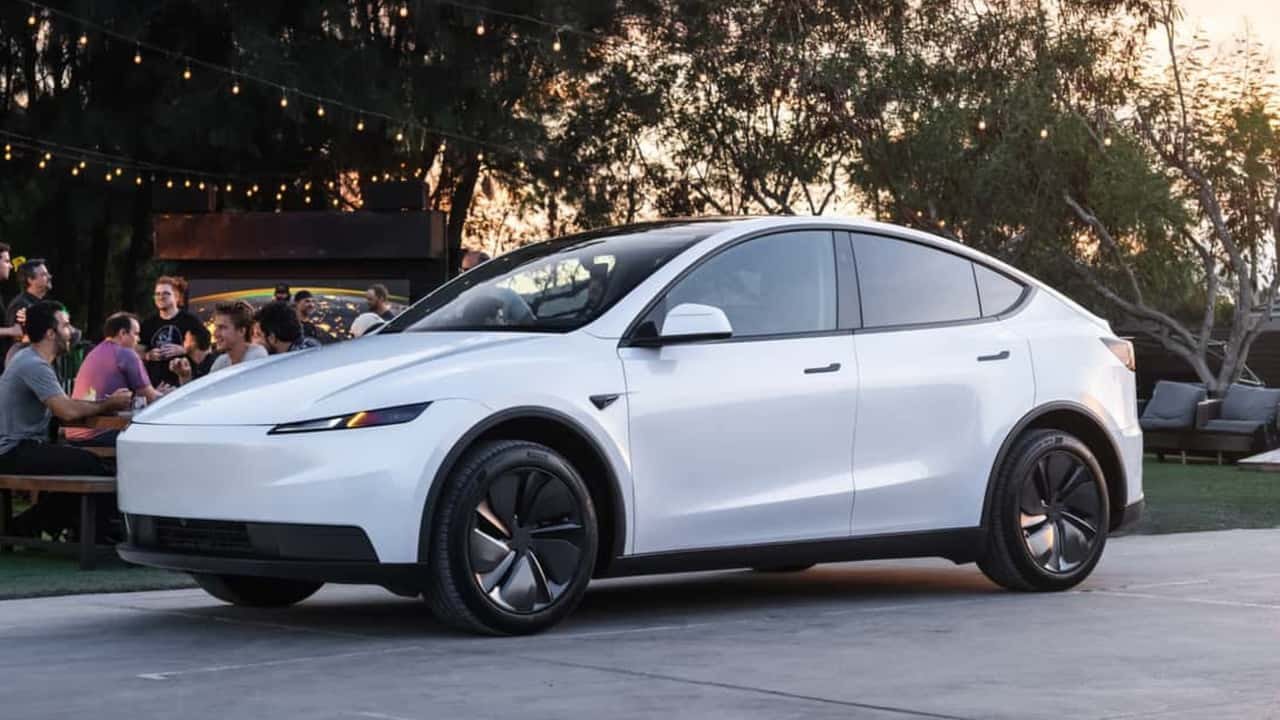
New data reveals that sales of both new and used electric vehicles increased in August, as higher petrol costs push British motorists towards battery-powered alternatives.
By Edward Beaumont · 5 min read
Sales of new and used electric vehicles both rose in August, according to fresh industry data, as higher petrol prices continued to shift consumer demand towards battery-powered models. The dual increase suggests that cost-conscious drivers are increasingly weighing long-term running costs against the upfront price of an electric car, a calculation that has become more favourable as fuel bills climb.
The trend is not confined to the new-car market. The used EV sector, which has historically lagged behind new sales due to concerns over battery degradation and residual values, is now showing comparable momentum. That is significant for a market where affordability remains the single biggest barrier to adoption. A wider supply of second-hand electric models, combined with rising petrol costs, appears to be drawing in buyers who might otherwise have remained on the sidelines.
For British motorists, the maths has become harder to ignore. Filling a family hatchback with petrol now takes a noticeably larger bite out of monthly budgets than it did a year ago, while electricity tariffs — particularly off-peak rates — remain comparatively stable. That disparity is reshaping the total cost of ownership calculation in favour of EVs, even as broader household budgets come under pressure from inflation in other areas.
The August figures also point to a maturing market. Early adopters have largely made the switch; the current wave of buyers is more pragmatic, motivated by running costs rather than environmental signalling. That shift has implications for dealers, manufacturers and charging networks alike. Dealers must now cater to a broader demographic, while manufacturers face pressure to bring more affordable models to market rather than focusing solely on premium electric flagships.
Charging infrastructure remains a critical variable. While the UK’s public charging network has expanded, concerns over reliability and coverage persist, particularly for drivers without off-street parking. For used EV buyers in particular, the ability to charge conveniently at home is often a decisive factor. Where that option is unavailable, the case for switching weakens considerably, regardless of pump prices.
Battery health and warranty coverage are also central to the used EV equation. Buyers are increasingly educated about state-of-health certificates and manufacturer guarantees, and dealers that provide transparent battery data are finding it easier to close sales. This transparency is helping to erode the residual anxiety that has long suppressed second-hand demand.
From a business perspective, the August uptick offers a measure of reassurance to an industry that has invested heavily in electrification. Legacy manufacturers have committed billions to retooling factories and developing new platforms, and they need volume to justify that spending. A sustained rise in both new and used EV sales would help absorb that investment and support the broader supply chain, from battery producers to specialist servicing networks.
Fleet operators are watching closely too. Company car schemes have been a major driver of EV uptake in Britain, and rising petrol costs strengthen the financial case for electrifying fleets. That, in turn, feeds the used market several years later, as ex-fleet vehicles reach dealership forecourts. A healthy flow of such vehicles is essential to building a robust second-hand EV sector.
Policymakers will also take note. The government’s zero-emission vehicle mandate requires an increasing proportion of new car sales to be electric, and consumer demand is a crucial component of meeting those targets. If pump prices remain elevated, the transition could accelerate beyond official projections, placing additional strain on charging infrastructure and grid capacity.
For now, the August data provides a clear signal: when petrol becomes more expensive, electric vehicles become more attractive. The question for the industry is whether that relationship holds as fuel prices fluctuate, and whether supply chains can keep pace with demand in both the new and used markets.