Business 154
Ceer's 'Fully Funded' Claim Faces Scrutiny After PIF's LIV Golf Collapse
In this issue
Business 154
Ceer's 'Fully Funded' Claim Faces Scrutiny After PIF's LIV Golf Collapse
Culture 171
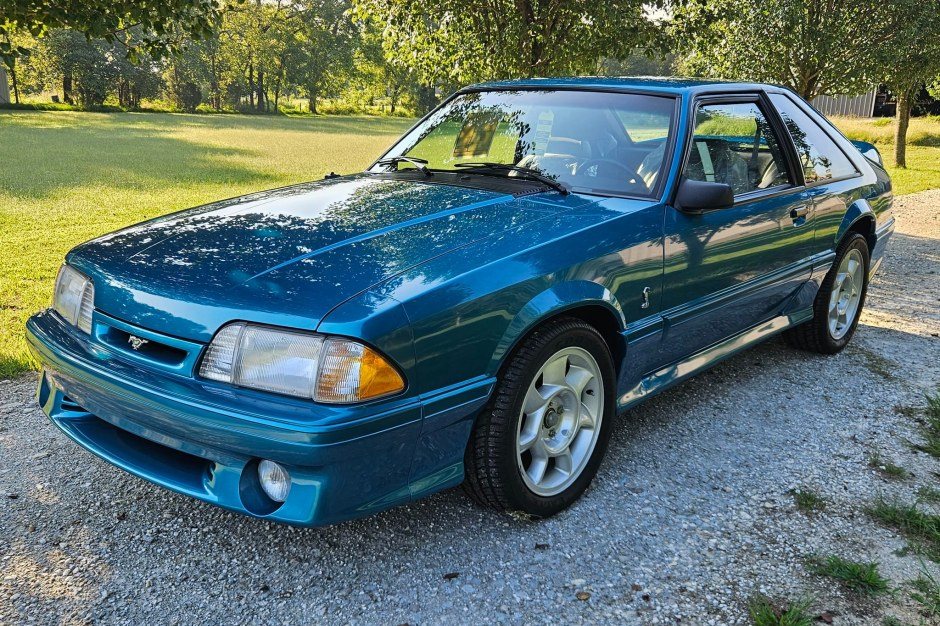
1993 Ford Mustang SVT Cobra With 66 Miles Heads to Auction
Economy 33
Bitcoin and Ethereum Surge to Levels Last Seen in January
News 132
Sarandon and Einbinder arrested at anti-Netanyahu protest in New York
Politics 108
US Lawmakers Move to Permanently Ban Chinese Cars
Sports 248
Dumont and Perez settle bitter rivalry at UFC Vegas 121
Technology 177
Home EV Charging: Wallbox Guide for UK Drivers
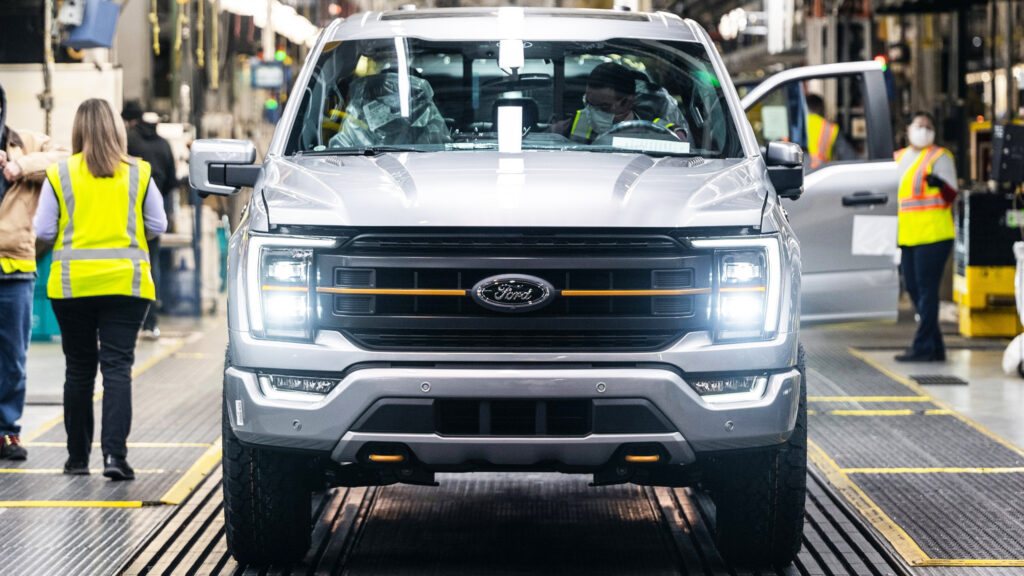
The Trump administration has finalised rules that lower US fuel economy requirements to 34.5 mpg by 2031, far below the Biden-era 50.4 mpg target, claiming it will cut new car prices while critics warn it will slow electric vehicle adoption and raise emissions.
By George Kensington · 4 min read
President Donald Trump has approved new US fuel economy standards that will substantially lower the efficiency targets carmakers must meet, the administration confirmed. The rules, which have been in development for almost a year, replace the more stringent requirements introduced under President Biden and are intended, according to the White House, to reduce the cost of new vehicles for American buyers.
The new framework sets a target of 34.5 miles per gallon by 2031, a significant reduction from the 50.4 mpg goal established by the previous administration. Under the Biden-era rules, car companies were required to improve fuel efficiency by 8 per cent through 2024 and 2025, then by 10 per cent in 2026, with an additional 2 per cent improvement each year from 2027 to 2031. The Trump administration first proposed the lower figure in December and has now finalised it.
Writing on his Truth Social platform over the weekend, Trump called the decision a «BIG DAY FOR AMERICAN AUTO WORKERS AND CAR BUYERS!» He claimed the new standards would «take the waste out of building cars in America», adding that this would mean «LOWER PRICES, saving families thousands on a new, beautiful, and safe car». In the same post, he criticised the previous administration, saying the «Dumocrats cost our Great Auto Manufacturers $Billions, forced Americans into cars they never wanted, and wasted Billions on Chargers that were never built». The administration is expected to publish detailed technical information about the standards on Monday.
The National Highway Traffic Safety Administration has estimated that the proposal could cut around $980 from the price of an average new car. That figure has been welcomed by industry leaders, including Ford chief executive Jim Farley, who publicly praised the president for rolling back regulations last year. However, the administration has not specified how much of any manufacturing saving would be passed on to consumers, and there is no guarantee that lower production costs will translate into lower showroom prices. American carmakers such as Ford and General Motors are publicly traded companies with obligations to maximise shareholder value, and they may choose to retain savings rather than reduce sticker prices.
The changes are expected to slow the growth of electric vehicles in the United States and to lead to an increase in carbon dioxide emissions. By relaxing the efficiency requirements, the rules reduce the pressure on manufacturers to develop and sell more fuel-efficient and electric models, potentially affecting investment in battery technology and charging infrastructure. Environmental groups have long argued that stricter standards are essential for reducing transport emissions and meeting climate goals, while supporters of the rollback contend that the previous targets were costly and out of step with consumer demand.
There is also uncertainty about how long the new standards will remain in place. The US political landscape is deeply divided, and if the Democrats regain power in the 2028 or 2032 elections, the rules could be reversed quickly. That prospect creates planning challenges for carmakers, which must make long-term investment decisions on vehicle platforms and powertrains. For now, the administration is presenting the move as a victory for affordability and American manufacturing, while opponents warn of environmental and industrial consequences that may take years to become fully apparent.
5