Business 312
Polestar ends production of its first car the 2 after six years
In this issue
Business 312
Polestar ends production of its first car the 2 after six years
Culture 341
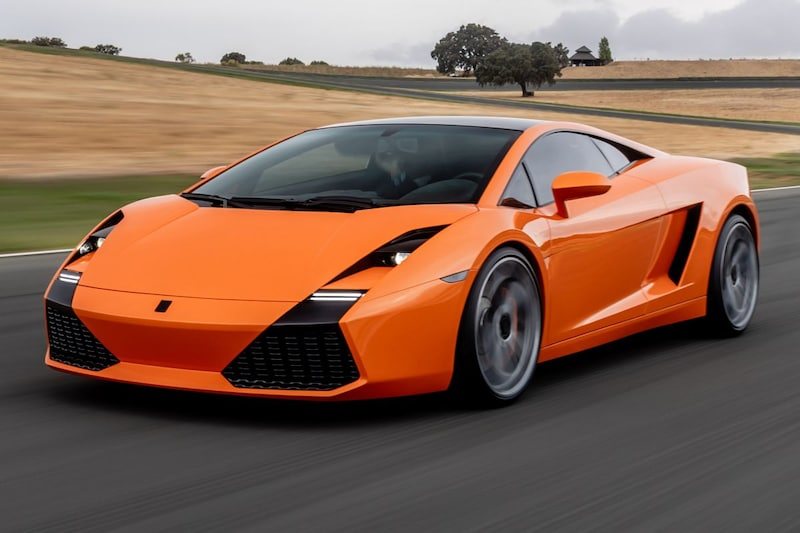
GFG Style revives Lamborghini Gallardo as 25-unit V10 Hommage 26
Economy 48
Three Tankers Reportedly Strike Mines in Strait of Hormuz
News 161
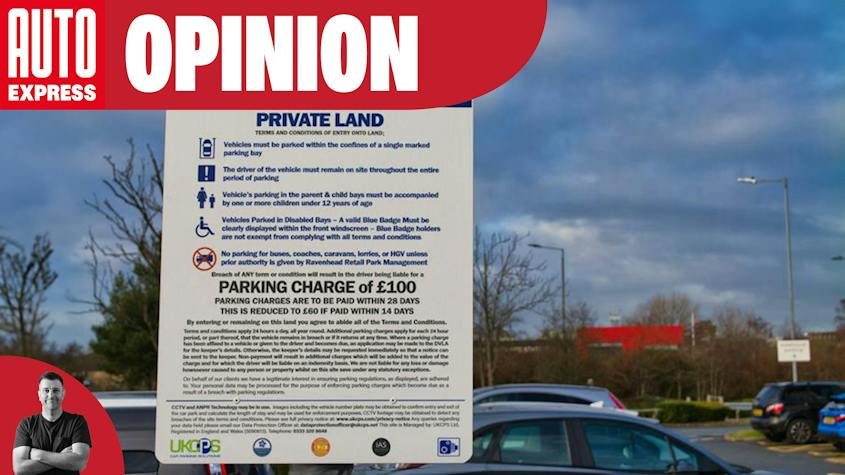
Private parking firms face pressure as UK motorists call for fairer rules
Politics 121
Burnham denies stopping ministers from discussing closer EU ties
Sports 296
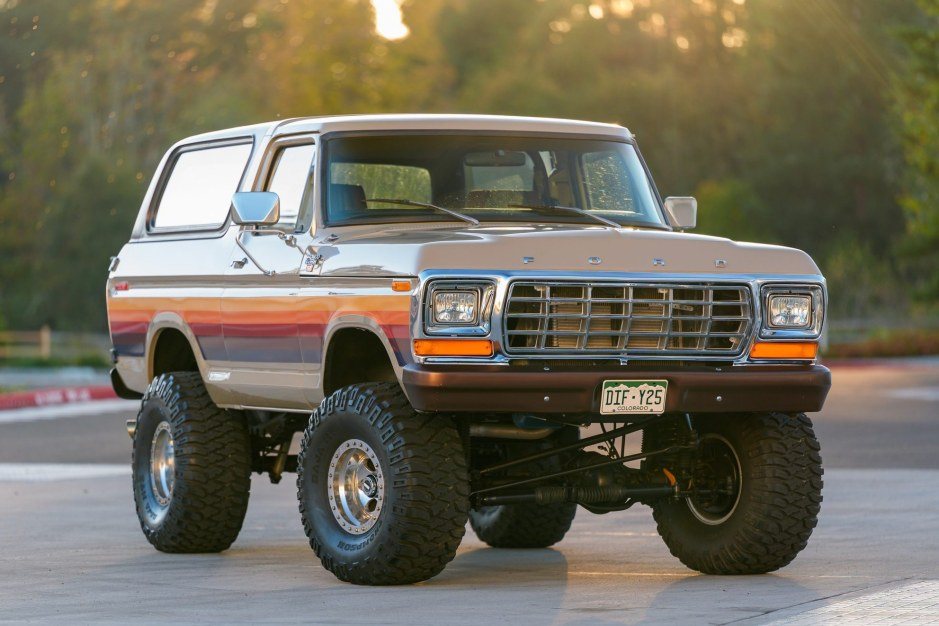
Modified 1978 Ford Bronco with 460 V8 heads to auction without reserve
Technology 352
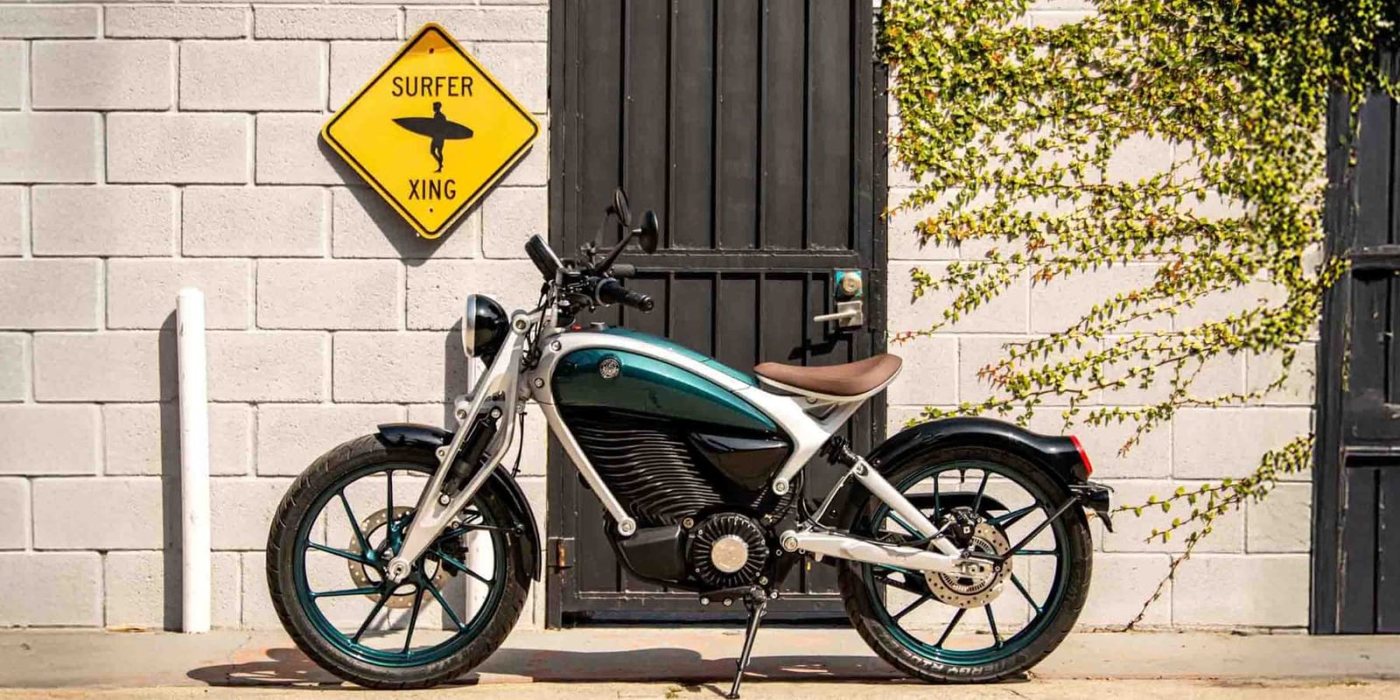
Electric motorcycles will replace petrol bikes, but not the way many expect
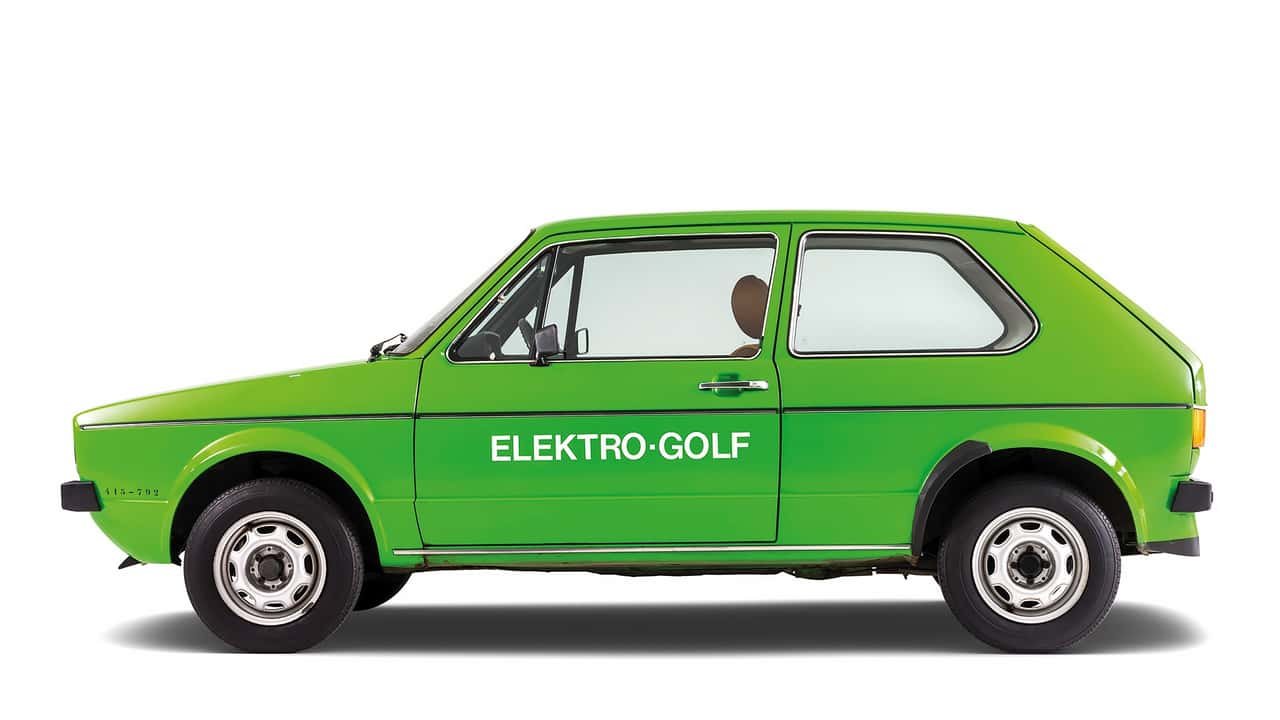
An internal memo from Volkswagen's chief executive tells staff the company 'can't afford' to build an electric version of the Golf, its most important model, as financial pressure reshapes development of the next generation.
By Eleanor Ellington · 3 min read
Volkswagen's chief executive has told staff in an internal memo that the carmaker « can't afford » to build an electric version of the Golf, the model widely regarded as the most important in the company's history. The message points to mounting financial pressure bearing directly on the development of the next-generation car.
The memo, which has been reported by Motor1, sets out the difficult economics facing the German manufacturer as it moves away from petrol and diesel engines. Building a dedicated electric variant of a volume hatchback requires heavy upfront investment in new platforms, batteries and software. The company is signalling that it cannot justify that spending on the Golf at present, and the decision reflects a financial position that limits what the group can pursue across its range.
The Golf has been a cornerstone of Volkswagen's line-up for decades, and its success has long underpinned the group's standing in the European market. Any decision to shelve or delay an electric version therefore carries weight beyond a single model. It touches on how the company intends to meet its electrification goals while protecting profitability on the nameplates that still generate most of its volume.
The internal communication suggests that the next-generation Golf is being shaped by cost constraints rather than by product ambition alone. For a manufacturer of Volkswagen's scale, the balance between investing in new electric models and sustaining margins on established cars is one of the central strategic questions facing the industry. Engineering and development plans are now being weighed against what the balance sheet can support, and the memo makes clear that staff are being told this directly.
The candour of the message is notable. Public communication from large carmakers tends to stress an electric future and ambitious targets, so a senior executive openly describing the limits of what the company can afford offers a rare view into how management is framing its choices internally. The memo does not, on the basis of the material available, set out a replacement plan or a timetable for an alternative electric Golf, leaving open how the model will be positioned as the transition continues.
For employees and suppliers linked to the Golf, the signal is that product and investment decisions for the next generation are being made with tight financial discipline. How the company reconciles that discipline with its wider electrification ambitions will shape the direction of its core models in the years ahead.
9