Business 312
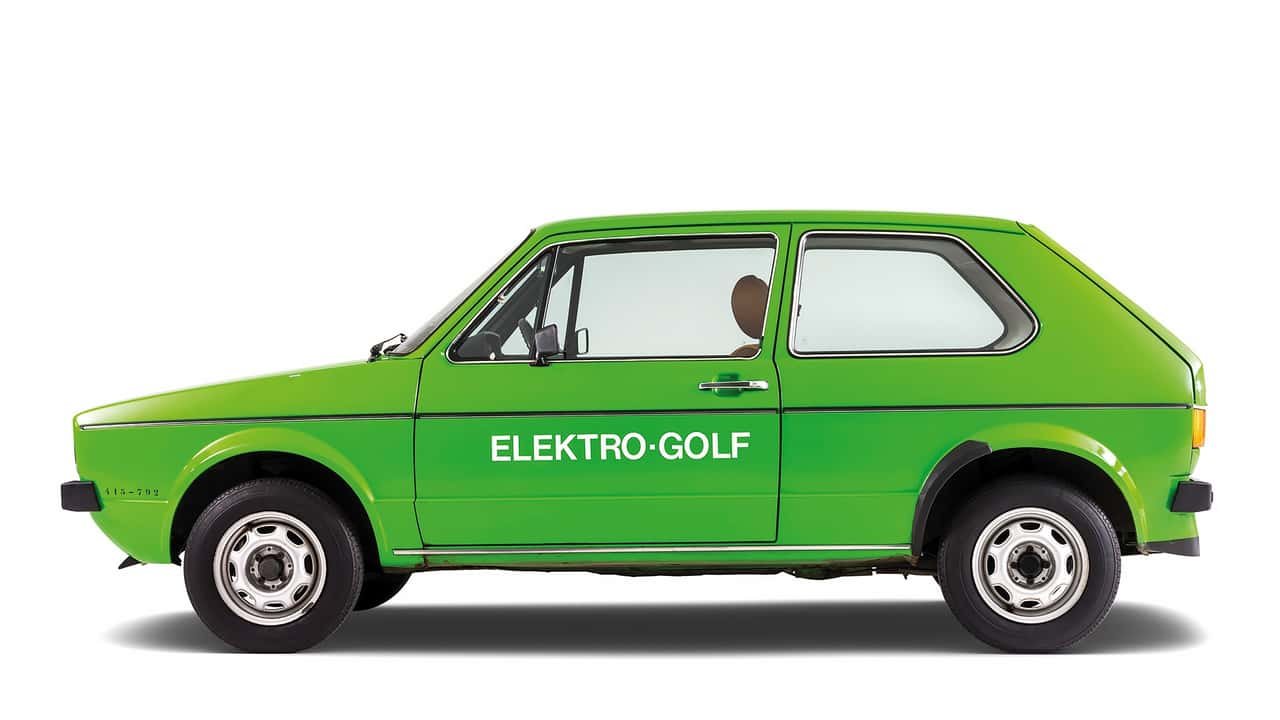
Volkswagen says it cannot afford an electric version of the Golf
In this issue
Business 312
Volkswagen says it cannot afford an electric version of the Golf
Culture 340
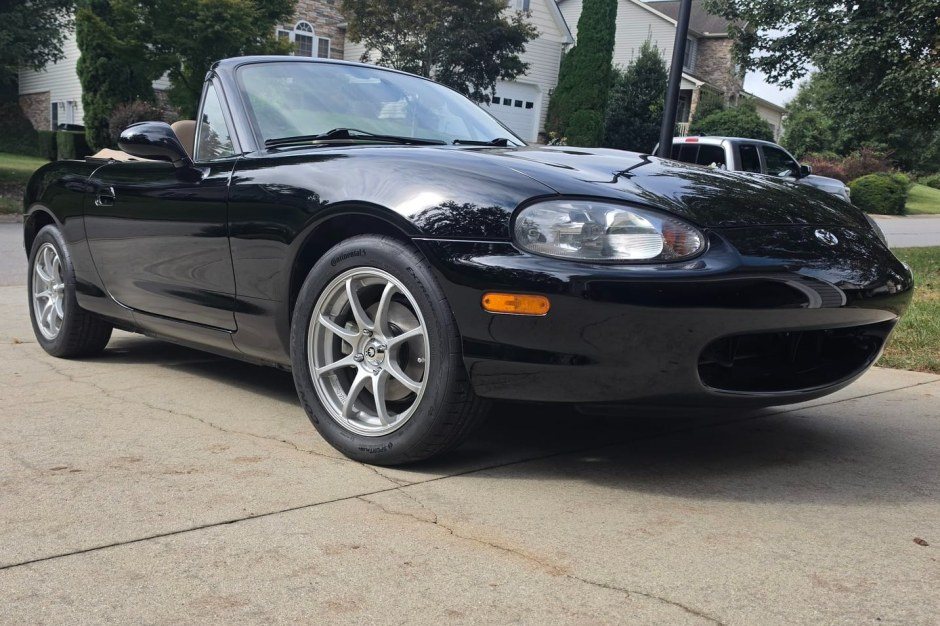
Seller offers 1999 Mazda MX-5 with 20,000 miles at auction
Economy 48
Three Tankers Reportedly Strike Mines in Strait of Hormuz
News 161
Private parking firms face pressure as UK motorists call for fairer rules
Politics 121
Burnham denies stopping ministers from discussing closer EU ties
Sports 296
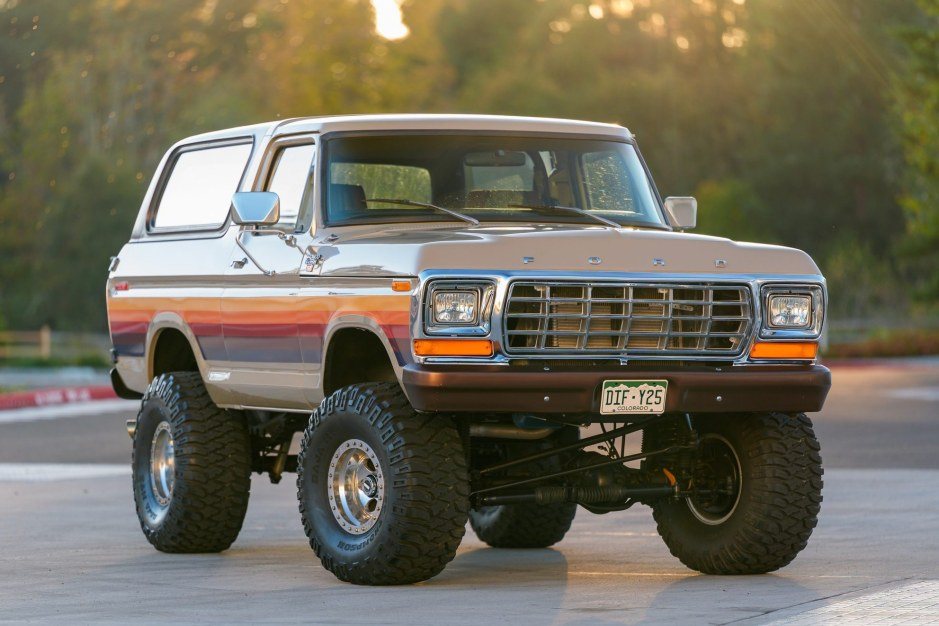
Modified 1978 Ford Bronco with 460 V8 heads to auction without reserve
Technology 352
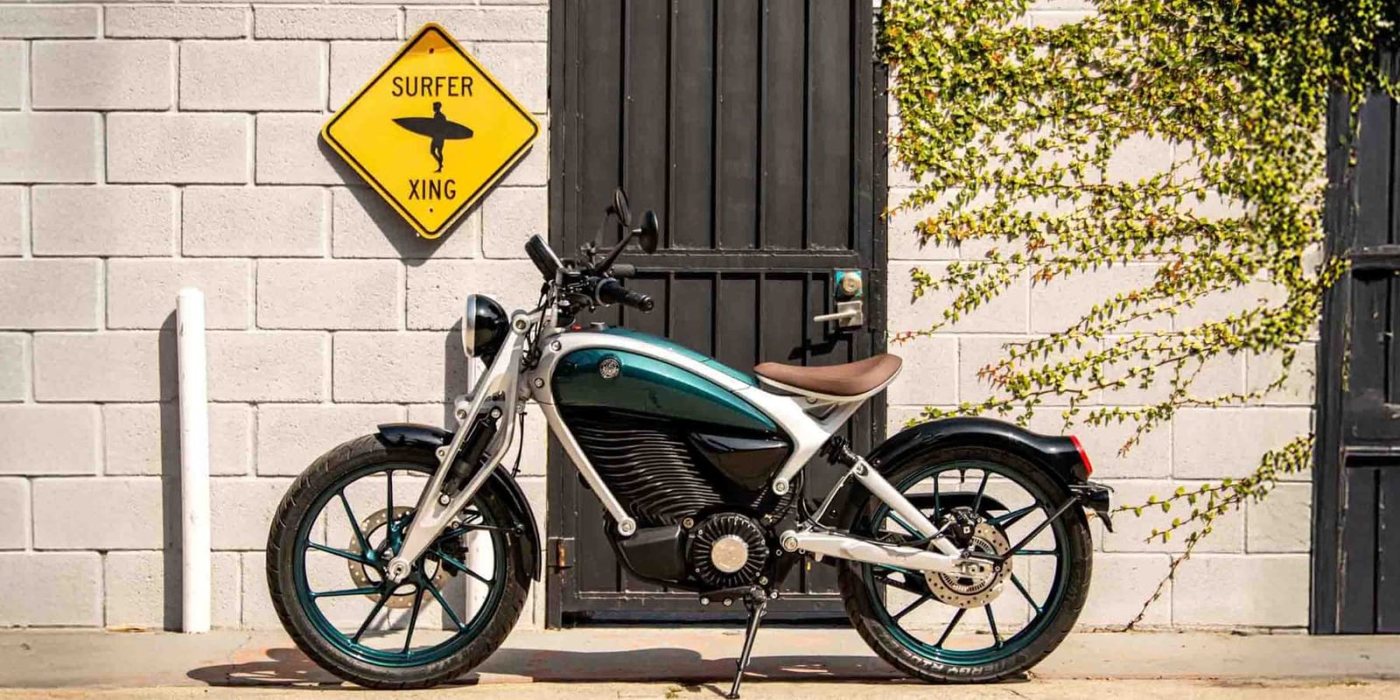
Electric motorcycles will replace petrol bikes, but not the way many expect
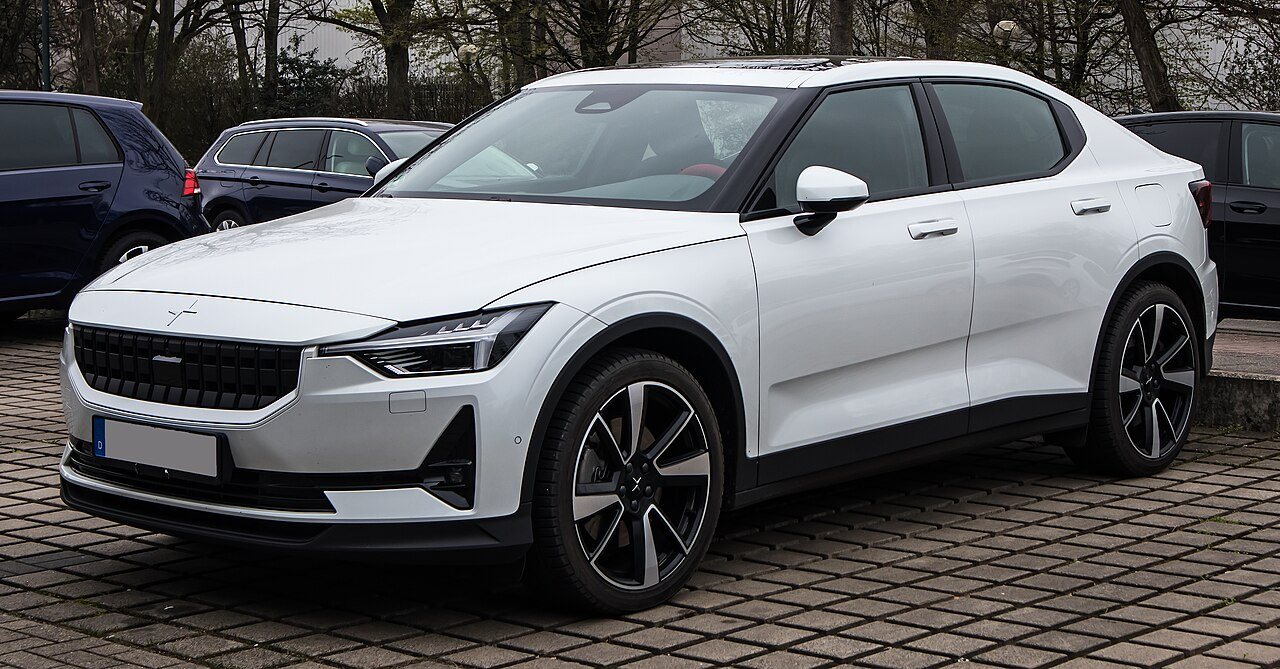
Polestar has built the final example of the 2 fastback, which has sold around 200,000 units since 2020, ahead of a successor due in early 2027.
By Edward Beaumont · 4 min read
Swedish electric carmaker Polestar has built the final example of its first series-production car, the 2 fastback, after six years on sale and around 200,000 sales worldwide. Production ended at the company's Luqiao factory in eastern China, several months before the car's successor is due to reach the market.
The news was first reported by the Norwegian outlet TV 2 Broom, after Polestar stopped taking factory orders for the Tesla Model 3 rival in China and in its home market of Sweden. Polestar UK is still offering all variants of the 2, and Autocar understands the company has enough stock to meet demand until the second-generation model arrives, which is expected in the first few months of 2027.
As of February this year, Polestar had sold more than 190,000 examples of the 2 globally since its launch in mid-2020. Around 40,000 of those were sold in the UK, the company's largest market. The 2 has now slipped to second place in Polestar's sales charts behind the newer Polestar 4 crossover, but it still accounts for more than a third of the brand's UK sales so far this year.
The successor is central to Polestar's ambition to reach 100,000 annual sales by the end of the decade, up from 60,000 in 2025. Polestar has previewed a sleek new look for the car, which will be slightly longer than the current 4.6-metre model and more overtly aimed at younger buyers. The company is seeking to diversify its customer base, which currently has an average age of 45.
Chief executive Michael Lohscheller told Autocar recently that the new 2 will « keep all the great things » about the outgoing fastback while addressing « a few things the current 2 doesn't address in the most optimal way ». The car will continue to be built in China, although Polestar has not confirmed whether it will retain Geely's Compact Modular Architecture, which is shared with the Volvo XC40 and can accommodate combustion, hybrid and electric powertrains. The Polestar 4 sits on Geely's EV-native Sustainable Experience Architecture.
The new 2 will be the first production car designed by Philipp Römers, who joined Polestar early last year to replace Max Missoni, the designer who shaped the brand's current line-up. Römers is due to offer further clues about the new 2 and the forthcoming Polestar 7 crossover in the coming weeks through a concept car called the Formula 2030, which will showcase what the company describes as a bold evolution of its design language.
Early details suggest Römers will keep a broadly minimalist and subtle treatment for future Polestar cars, while introducing lower, wider stances and more obviously aerodynamic silhouettes. Speaking to Autocar, he said: « It would be bad to do a design revolution, because the brand is so young. I don't want to make a revolution. I want to do a bold evolution built on our values. That's a big challenge, no question. Our brand awareness is still growing, so we have to build on our existing design language. » The next 2 is therefore expected to be a clearly recognisable successor to the current car.
Polestar is also likely to emphasise the saloon-like character of the next 2 to distinguish it from the coupé and SUV versions of the 4, which have a similar footprint. When the 2 launched in 2020, its closest rival was the Tesla Model 3. The mid-sized executive electric segment has since expanded considerably, and the second-generation car will compete with a wider field of established manufacturers and Chinese newcomers, including the new BMW i3, the Mercedes-Benz C-Class Electric, the Hyundai Ioniq 6 and the BYD Seal.
9