Business 182
Corvette ZR1X Auction Bids Top $400,000 as Factory Warranty Fuels Demand
In this issue
Business 182
Corvette ZR1X Auction Bids Top $400,000 as Factory Warranty Fuels Demand
Culture 208
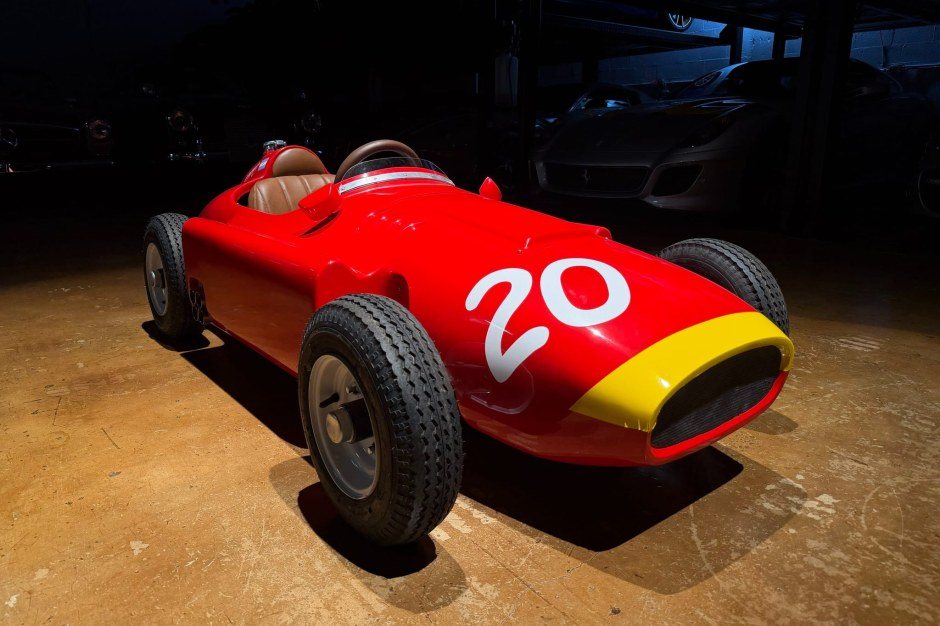
Heritage Racers D50 Electric Go-Kart Offered at No Reserve
Economy 36
G7 Agrees to Release 100 Million Barrels of Diesel and Crude Oil to Ease Price Su…
News 145
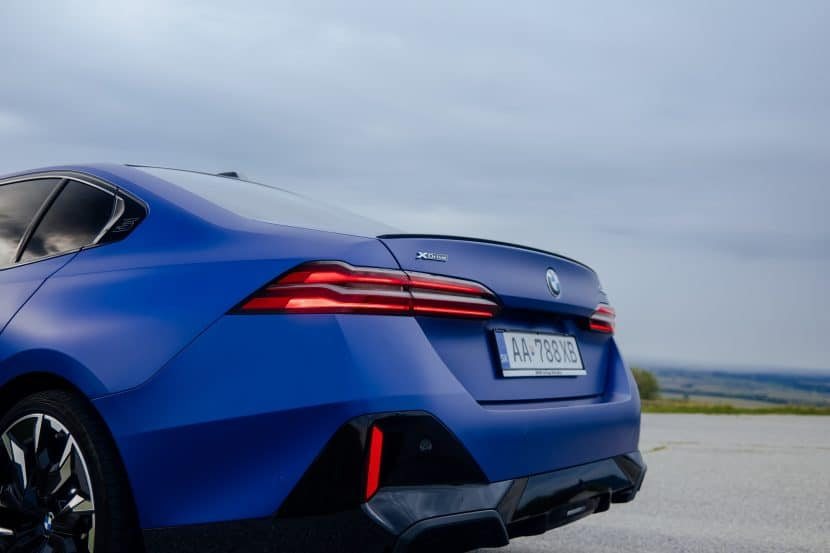
NSW Police Trials BMW 540d as Highway Patrol Car
Politics 110
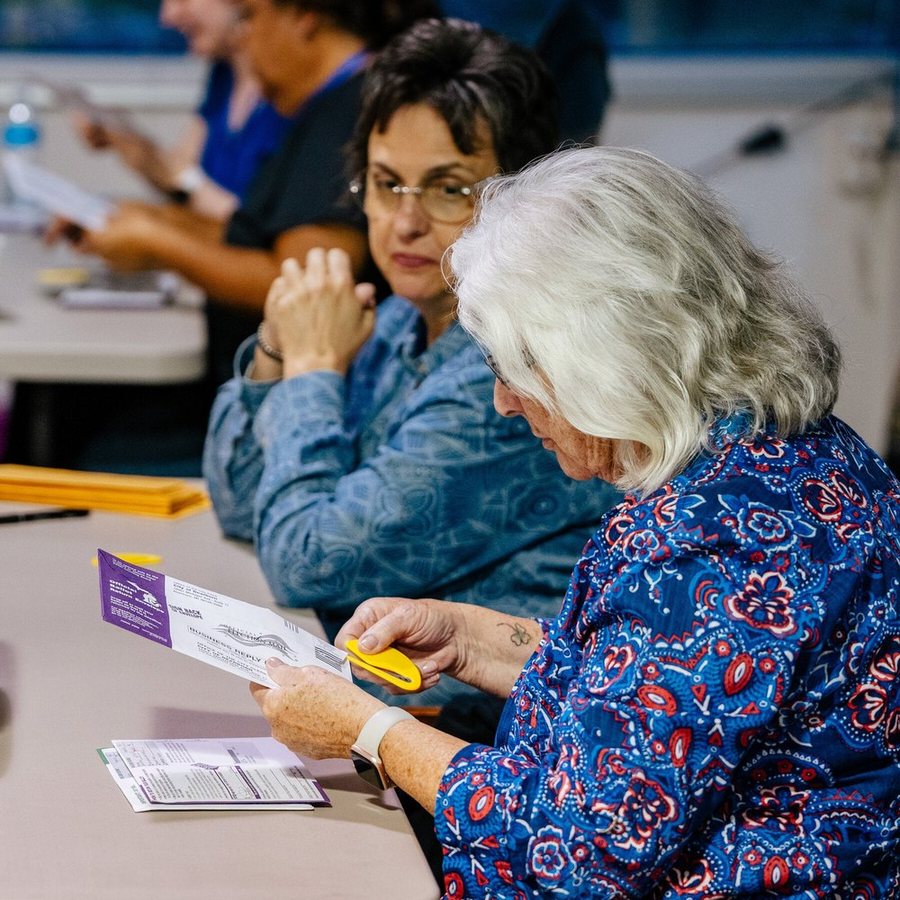
Trump Urges Republicans to Vote by Mail After Years of Criticising the Practice
Sports 260
Falcons thrash Saints 45-24 as New Orleans marks 20 years since Katrina return
Technology 229
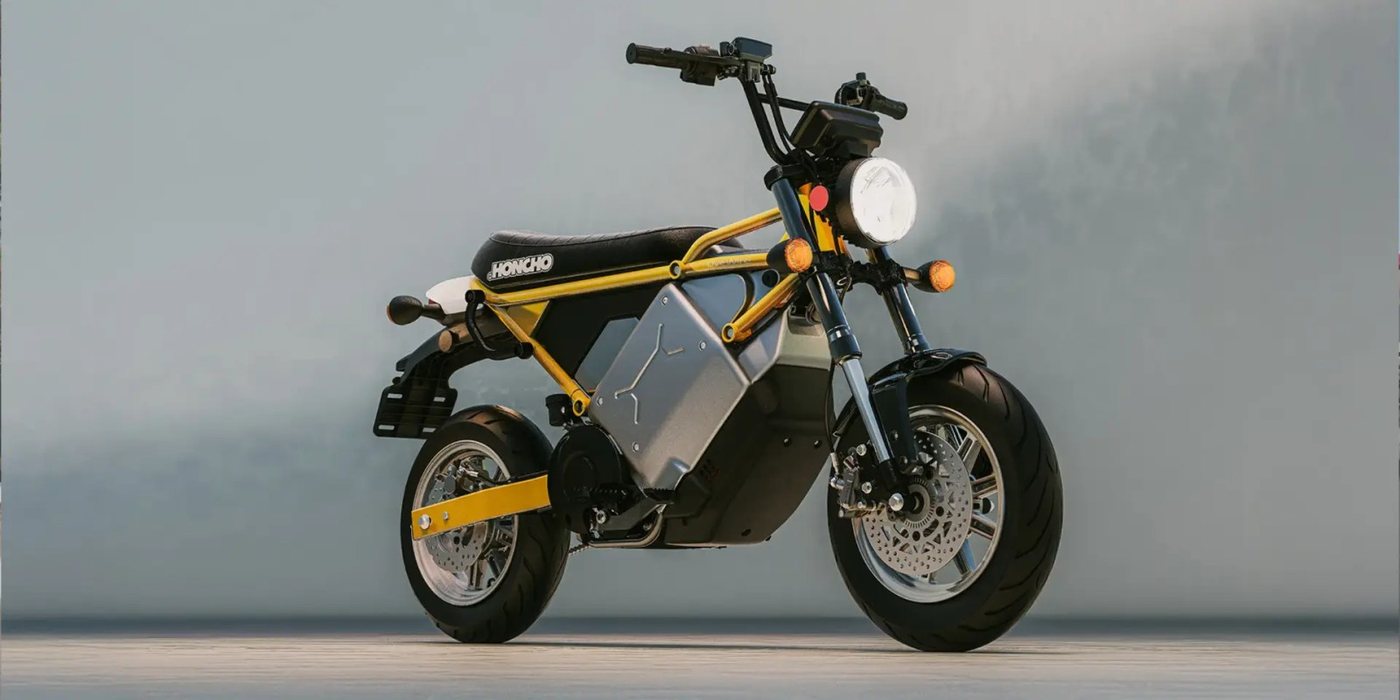
LiveWire S4 Honcho Street Approved for Rider Training Programmes
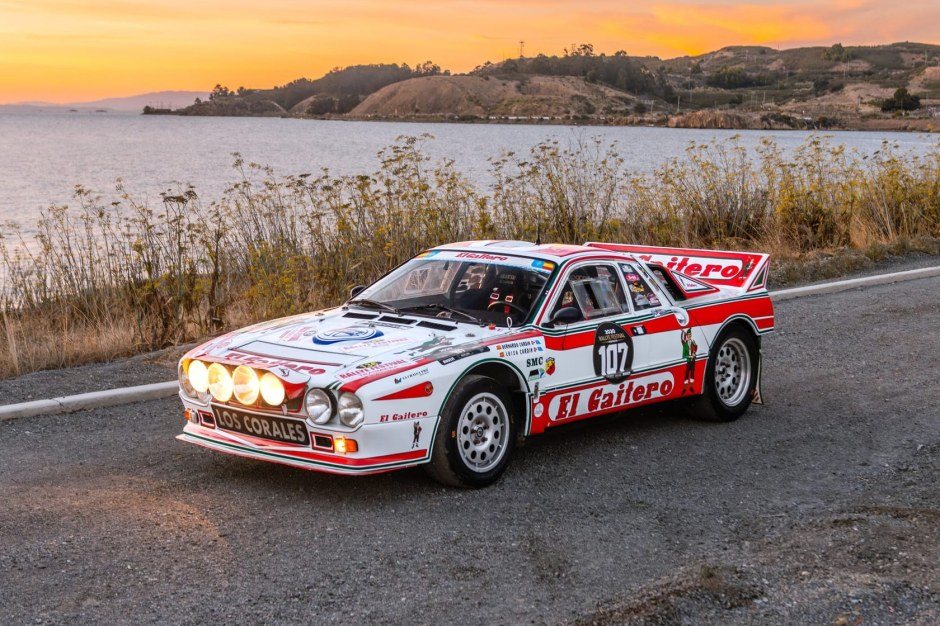
A historically significant 1983 Lancia 037 Evolution II, campaigned by Spanish gentleman driver Jose Bernardo Cardin in the 1980s and later in vintage rallies, is offered for sale on dealer consignment in Berkeley, California.
By Eleanor Ellington · 5 min read
A 1983 Lancia 037 Evolution II with a documented competition history in Spain has been offered for sale on dealer consignment in Berkeley, California. The car, chassis 145, is one of approximately 260 examples built across the combined production of road-going Stradale and rally variants, and it represents the final rear-wheel-drive model to win a World Rally Championship constructors' title.
Ordered new in April 1983 by Spanish cider-business heir and gentleman driver Jose Bernardo Cardin, the car was delivered in October 1983 as a Stradale equipped with a Corsa-specification engine, a competition-style dashboard and seats. It was finished in white and campaigned under an El Gaitero livery, showcasing sponsorship from Cardin's family company, with red and green stripes and the firm's logo depicting an Asturian bagpiper.
Cardin drove the car in Campeonato de España de Rallyes events. In 1984, its results included a second-place finish at the Rallye de Gijon and a seventh-place finish at the European Rally Championship's Rally Internacional Principe de Asturias. In the summer of 1986, the car was returned to the factory's rally services department for conversion to Evo II specification. That work added a larger, higher-powered engine, chassis reinforcement, cooling updates and the removal of the rear bumper. The revised car's return to Cardin was marked by a victory in the 1986 Rallye San Agustin, followed by various rally appearances through 1989.
After several years out of service, the Lancia was returned to action by Cardin in vintage rallies around Spain between 2014 and 2021. It was then sold by Cardin to its current owner and imported to the United States. The car retains an El Gaitero livery and is powered by a 2,111cc Fiat-Abarth inline-four featuring a Volumex supercharger, water injection, Bosch Kugelfischer fuel injection and dry-sump lubrication. Additional equipment includes a ZF five-speed manual transaxle with a 40% locking differential, front and rear tubular spaceframes, Abarth-Brembo ventilated disc brakes, a hydraulic handbrake system, Bilstein gas shock absorbers that are duplicated at each rear wheel, staggered-dimension Speedline alloy wheels, quad driving lights, a roll cage and Sparco racing seats with four-point harnesses.
The 037's origins lie in Fiat Group's SE037 project, begun in 1980 to replace the 131 in anticipation of forthcoming Group B regulations that required the production of only 200 cars for homologation. Construction used the central frame cell of the Lancia Beta Montecarlo, adapted to carry front and rear spaceframes formed from a combination of round and square steel tubing, with the substructure wrapped in Pininfarina-styled fibreglass-reinforced Kevlar or polyester resin body panels. The Rally 037 was produced in both Stradale and rally variants, and in 1983 it became the last rear-wheel-drive model to win a World Rally Championship constructors' title.
To keep pace with turbocharged rivals, Lancia developed a second evolution of the Rally 037 in 1984 with a displacement increase from 1,995cc to 2,111cc and corresponding updates to the supercharging, intake and exhaust systems. The Evo II variant omitted the rear bumper in favour of large mudflaps to avoid the buildup of debris behind the bodywork.
This example is offered with copies of factory invoices from its original sale and 1986 revisions, additional documentation from original ownership, photos from its racing career and New Hampshire registration describing it as a 1982 model. An initial Fiat-Abarth sales invoice dated October 1983 lists a Corsa engine and a special dashboard and seat at a total cost of $28,000. The car is not equipped with an odometer and its mileage is unknown. Fluid changes were performed by the current owner in 2026.
7