Business 363
Motor insurers face steep premium rises as claims costs climb
In this issue
Business 363
Motor insurers face steep premium rises as claims costs climb
Culture 392
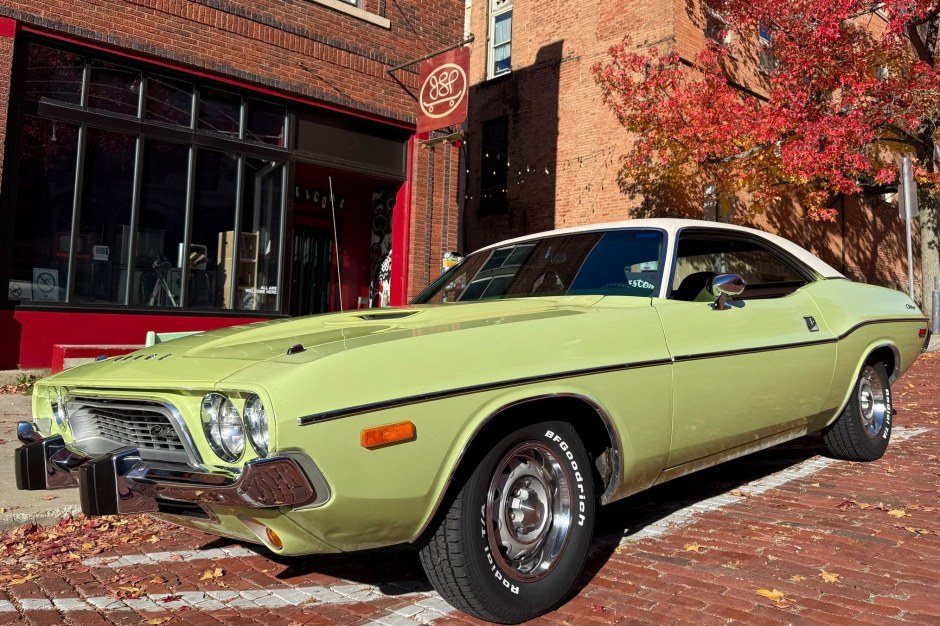
1973 Dodge Challenger With Documented History Offered for Sale in New York
Economy 52
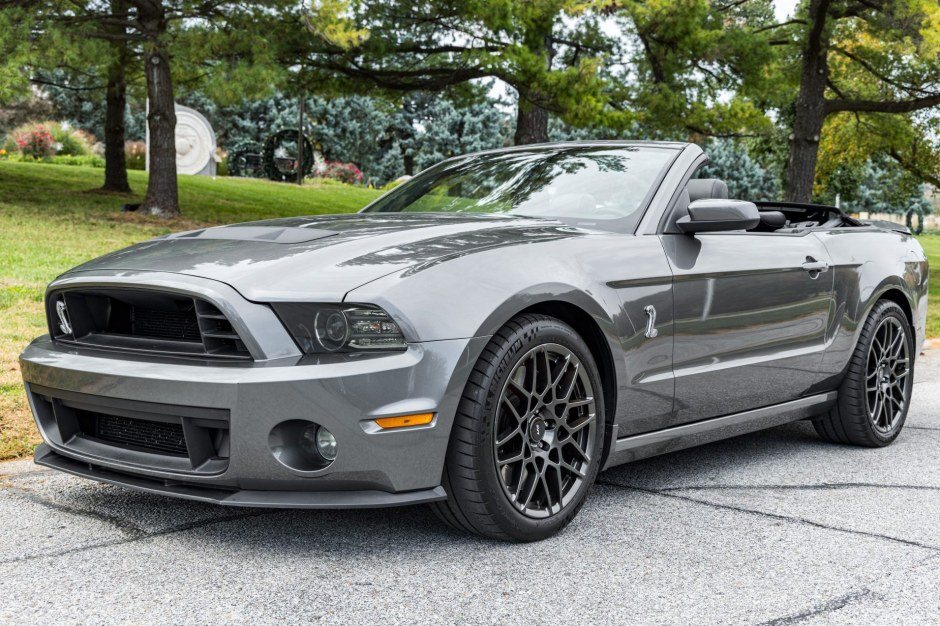
A 2014 Mustang Shelby GT500 Convertible Goes to Auction on Bring a Trailer
News 167
Thailand faces criticism over plans to return two Uyghur men to China
Politics 125
Musk’s reported $474 million political ad spend contrasted with alternative car p…
Sports 304
Lightweight Morgan Supersport 400 beats BMW M240i and Toyota Supra in drag race
Technology 365
Gas-powered sport compacts still deliver around 300 horsepower
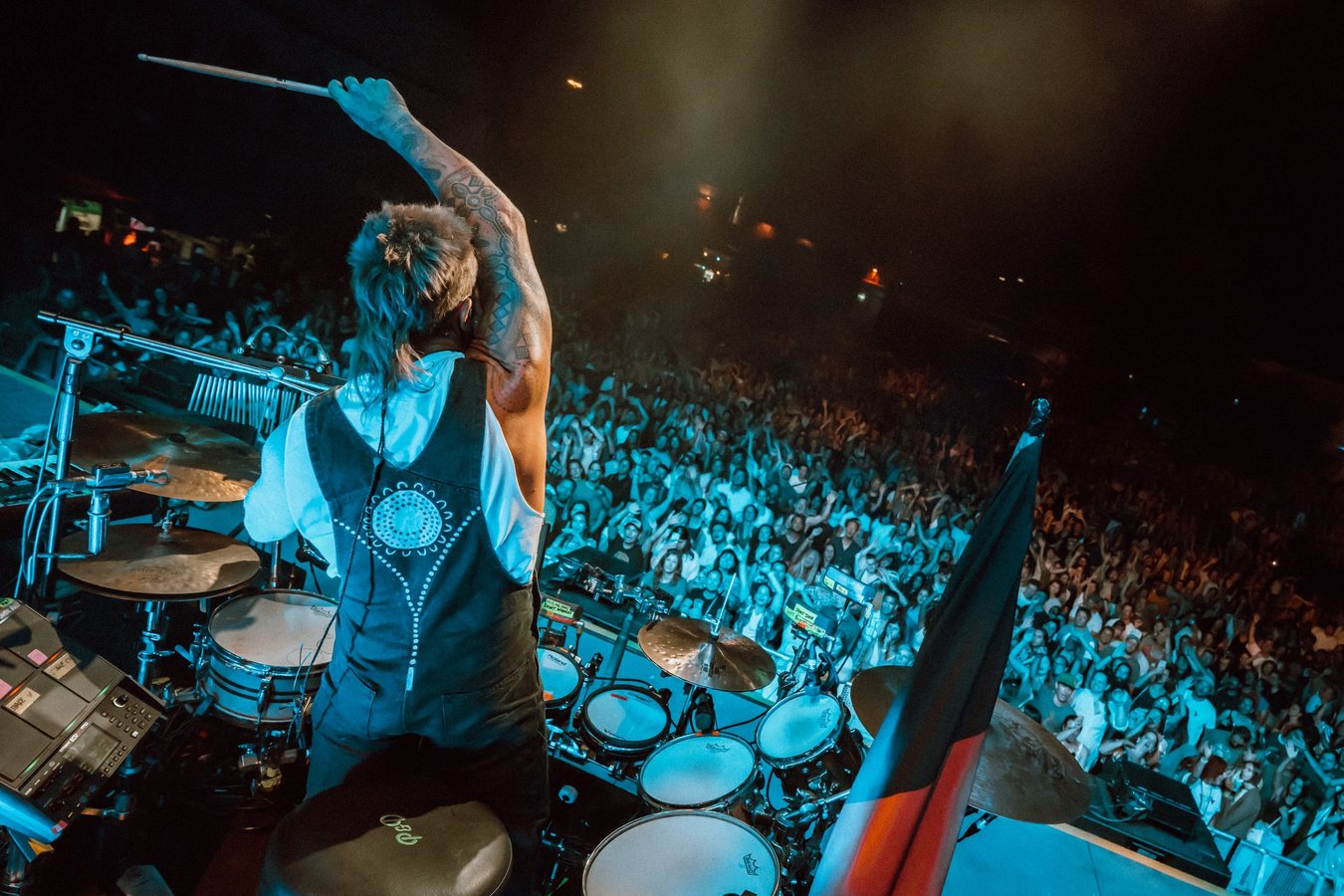
A British company has raised $20 million to develop AI-driven virtual performances that could bring deceased or retired musicians back to the stage, but how faithfully a past artist can be recreated remains an open question.
By Eleanor Ellington · 3 min read
A British company has raised $20 million to develop AI-driven virtual performances that could bring deceased or retired musicians back to the stage. The venture treats the concerts of the past as a future source of revenue, offering digital recreations of performers in shows designed to be experienced as live events.
The underlying business idea is that audiences may still want to see artists whose careers have ended or whose lives have passed. By packaging digital recreations as live-style shows, the company is positioning nostalgia as a product that can be sold again and again. Unlike human touring artists, a digital performer is not limited by age, illness, or the availability of a singer or band on a given night, which is a central part of the commercial case being made for the model.
The funding is intended to support the technology needed to produce these performances, and the company's stated aim is to bring deceased or retired musicians back to the stage in digital form. The reporting presents the round as evidence that investors see real commercial potential in the approach, even though the product itself is still at an early stage and its outputs have not been independently assessed.
The most pressing question concerns fidelity. A digital performer may be able to reproduce a voice, a set of movements, or a recognisable stage presence, but whether the result truly reflects the character, phrasing and artistic judgement of the original musician is not settled. The reporting raises concerns about authenticity on exactly this point, and the funding announcement alone does not answer them. Audiences who pay for a concert expect to hear and see the artist they admire, and the gap between a convincing imitation and a faithful recreation is where the debate will focus.
For the music industry, the development points to a wider argument about how technology can extend the commercial life of catalogues and reputations. Supporters see new income streams and new ways for fans to engage with artists they have loved for decades. Critics are likely to ask whether audiences are being offered an honest experience and whether the estates, families and collaborators of performers have a meaningful say in how their work and image are used. Those questions go beyond the technology itself and touch on consent, ownership of a musician's likeness, and the fairness of profiting from people who can no longer agree to it.
The funding round signals that the concept is being taken seriously by backers, even as its creative and ethical limits are still being tested. Whether the virtual performances can represent the artists they recreate convincingly, and whether the public accepts them as more than novelty, will likely determine if the business model succeeds.
Source: esquire.com
7