Business 362
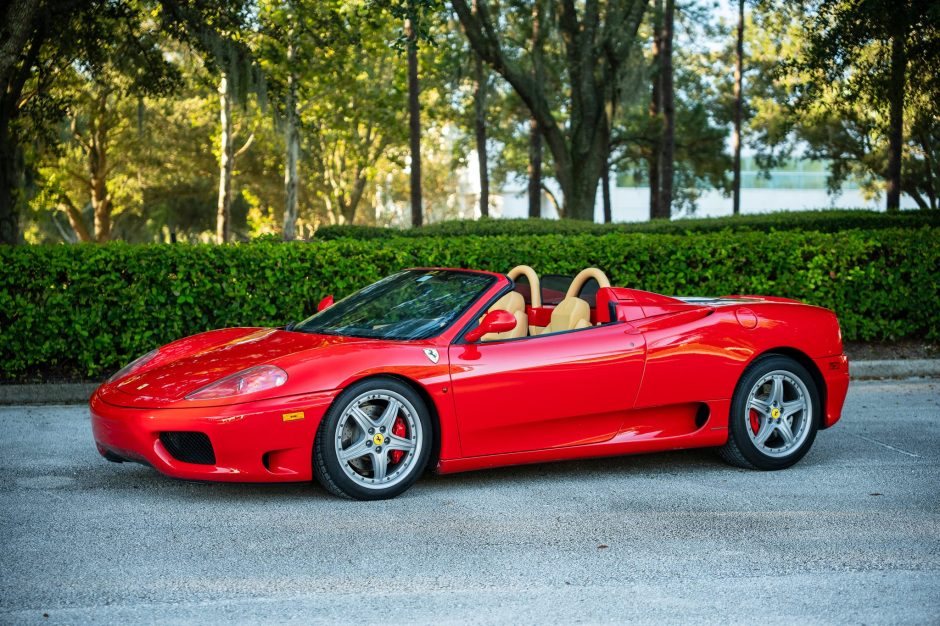
2005 Ferrari 360 Spider with 20,000 Miles Offered at Auction
In this issue
Business 362
2005 Ferrari 360 Spider with 20,000 Miles Offered at Auction
Culture 393
British company raises $20 million to revive deceased musicians through AI
Economy 52
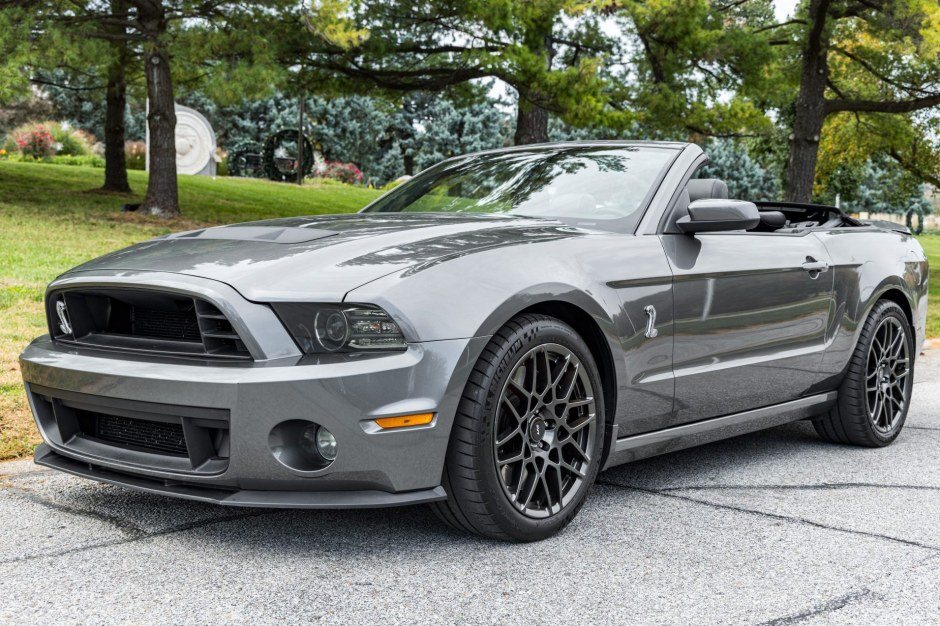
A 2014 Mustang Shelby GT500 Convertible Goes to Auction on Bring a Trailer
News 167
Thailand faces criticism over plans to return two Uyghur men to China
Politics 125
Musk’s reported $474 million political ad spend contrasted with alternative car p…
Sports 304
Lightweight Morgan Supersport 400 beats BMW M240i and Toyota Supra in drag race
Technology 365
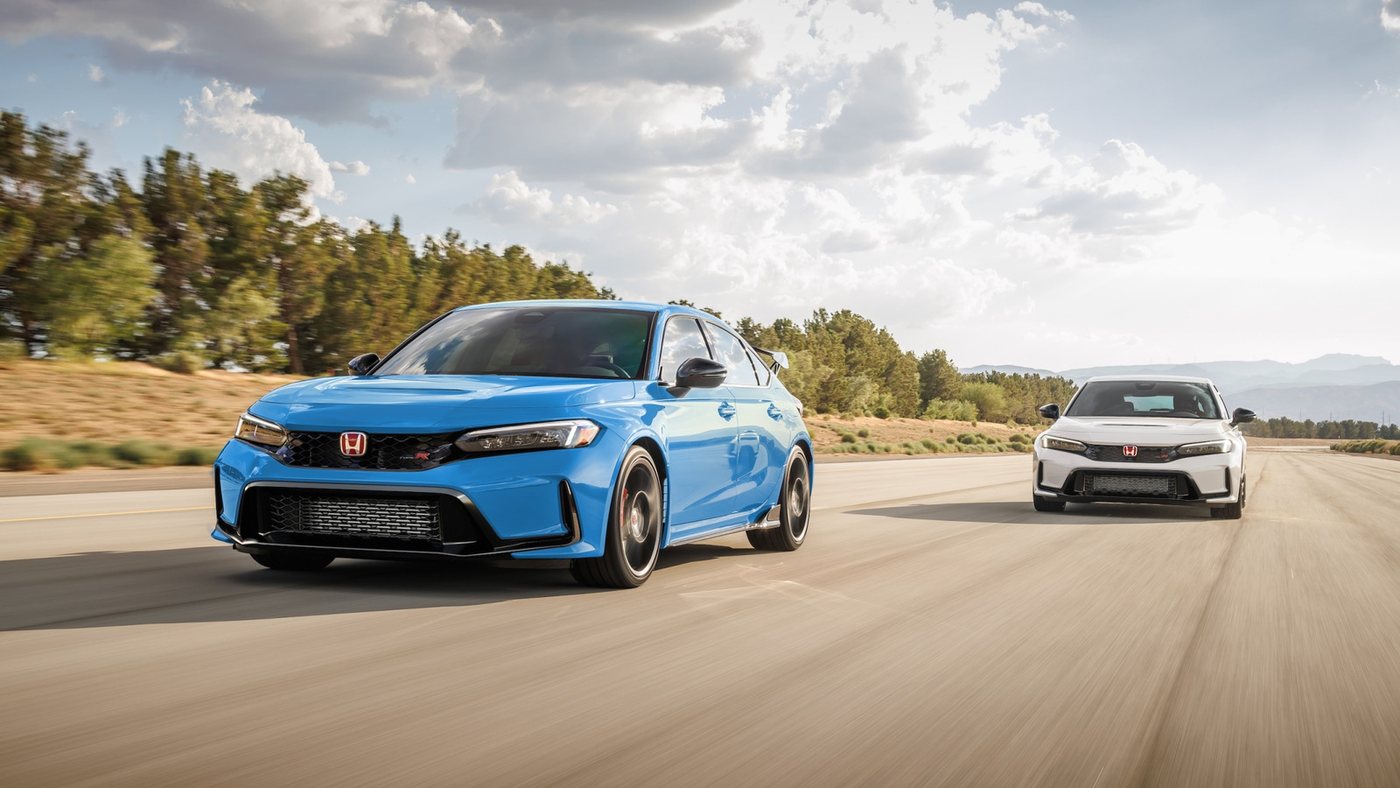
Gas-powered sport compacts still deliver around 300 horsepower

Consultancy EY projects car insurance premiums to rise 4 per cent this year and 12 per cent next year, as insurers struggle with loss-making books and rising claims costs.
By George Kensington · 4 min read
Motorists in Britain should brace for significant rises in car insurance premiums, with analysis from EY projecting increases of 4 per cent this year and a sharper 12 per cent next year. The forecast points to a motor insurance sector that has been operating at a loss, with insurers under pressure to recover costs that have outpaced the prices they charge.
The pressure is coming mainly from claims. Geoff Carter, chief executive of Sabre, expects claims costs to rise by as much as 7 per cent, a level he says makes substantial price adjustments necessary across the industry. Carter has called for «chunky» price increases, arguing that modest changes will not be enough to restore profitability. Insurers have so far found it difficult to make such increases stick, because competition keeps pressure on prices even as their underlying costs climb. The result is a market in which firms are attempting to raise premiums while still trying to win and hold customers.
That competition is also what keeps the market open to newcomers. The UK motor insurance market remains highly competitive, and new entrants continue to appear. Among them is Vector Drive, a low-mileage broker that is set to launch soon and whose founder is Charles More. The arrival of specialist providers offers drivers who cover relatively few miles a year another route to finding cover, although the wider trend of rising premiums will affect the market as a whole, including those who shop around.
For drivers hoping to limit the impact, the practical advice centres on accurate disclosure. Declaring a mileage close to the average implied by a vehicle's MOT history can qualify motorists for discounts. Underdeclaring mileage, by contrast, usually leads to penalties, so an honest figure is the safer choice even if it is less flattering. Drivers should also declare every claim made over the past five years. Insurers check the MIB Claims and Underwriting Exchange database, and any gap between what is declared and what is recorded can cause problems at the point of quote or claim.
Payment method can also make a difference to the final price. When asked about payment preference during a quote, saying «annually» can produce cheaper prices. It remains possible to switch to monthly payments after accepting an annual quote, so the saving does not have to be lost to the convenience of spreading the cost. Taken together, these steps mean that a driver who discloses accurately, reports past claims in full and chooses annual payment is better placed to keep the rise in premiums as small as possible.
With premiums expected to climb over the next two years, the coming period is likely to test how far drivers can offset industry-wide pressure through their own choices. Comparing options carefully, checking mileage against the MOT-implied average and keeping claims records straight are the most practical steps available, even if they cannot prevent the broader increase that the forecasts describe.
Source: autocar.co.uk
5