Business 359
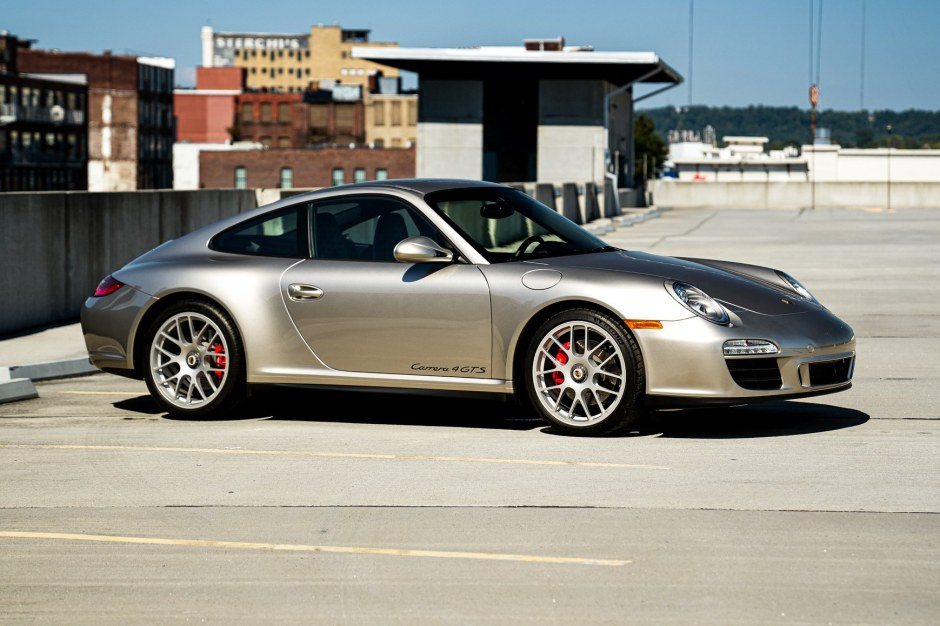
A 2012 Porsche 911 Carrera 4 GTS with 5,000 miles returns to the market
In this issue
Business 359
A 2012 Porsche 911 Carrera 4 GTS with 5,000 miles returns to the market
Culture 385
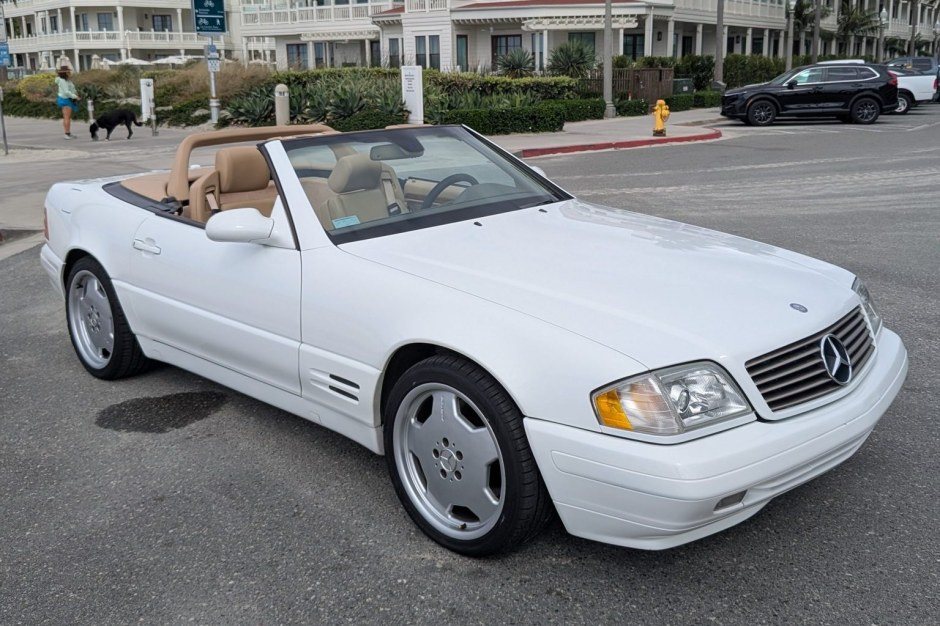
Clean 2000 Mercedes-Benz SL500 with 51,000 miles heads to auction
Economy 52
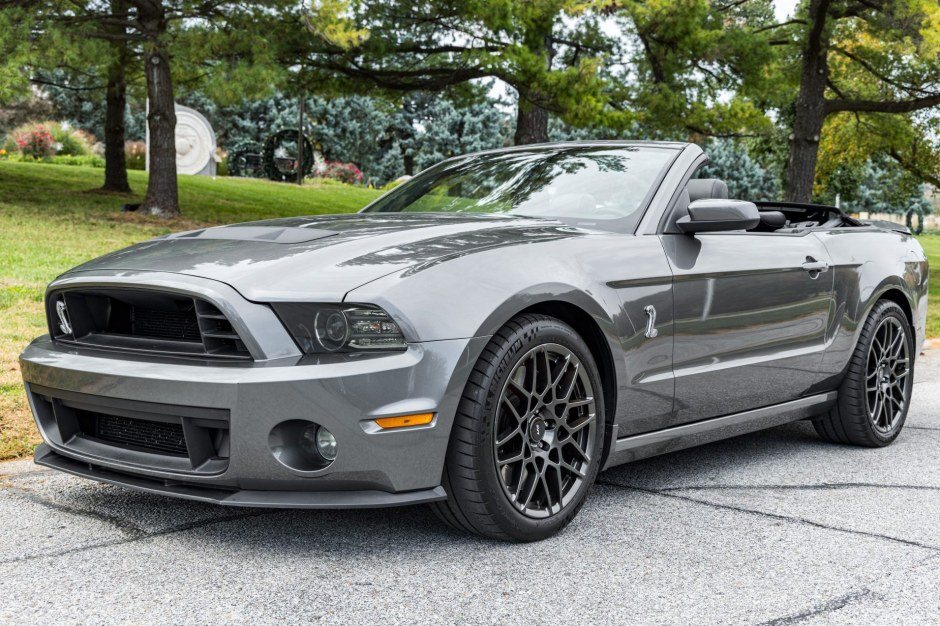
A 2014 Mustang Shelby GT500 Convertible Goes to Auction on Bring a Trailer
News 167
Thailand faces criticism over plans to return two Uyghur men to China
Politics 125
Musk’s reported $474 million political ad spend contrasted with alternative car p…
Sports 302
Ja Morant and Tobias Harris sidelined as Spurs visit Trail Blazers
Technology 362
Crewe Firm Launches UK's First Certified Electric Ice Cream Van
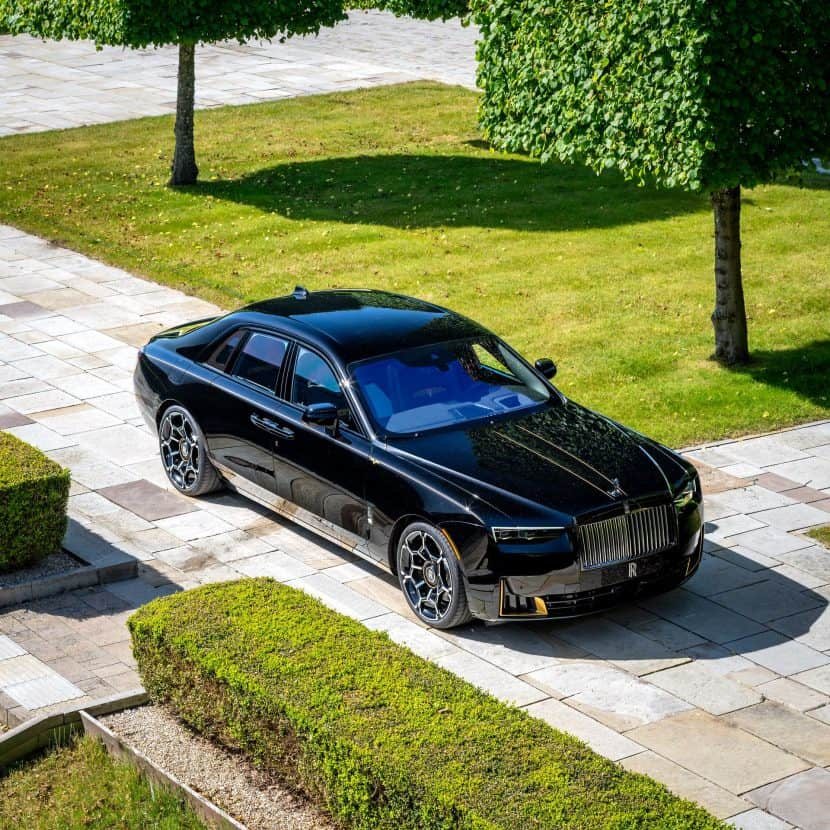
Rolls-Royce delivered 1,069 vehicles in July–September 2026, 18% fewer than a year earlier, making it the weakest brand in the BMW Group for the quarter and year to date.
By Edward Beaumont · 3 min read
Rolls-Royce delivered 1,069 vehicles worldwide in the third quarter of 2026, 18% fewer than the 1,304 vehicles delivered in July–September 2025. This is the sharpest decline among the BMW Group's brands both for the quarter and year to date, and it stands out against the group's overall results.
Year to date, as of the end of September, the brand has delivered 3,592 vehicles, 12.4% fewer than in the same period last year. In absolute terms, the difference is 508 vehicles. By comparison, BMW reduced sales by 6.4% over nine months, while MINI, on the contrary, gained 6.8%. Thus, compared with the group's other two brands, Rolls-Royce shows the deepest drop.
According to the publication, the company is deliberately prioritizing profitability over sales volume. This approach means Rolls-Royce is willing to accept lower deliveries in order to preserve the high value of each car and the exclusivity of the brand. A business model built on limited production implies that sales figures will trail mass-market manufacturers, even when the brand remains profitable.
To restore growth, the company plans to launch an electric SUV in 2027. It is expected that the new model will begin to noticeably boost sales around 2028, several years after its launch. Until then, the brand will rely on its existing lineup, in which the V12 engine remains the main symbol.
The V12 engine remains an exclusive prerogative of Rolls-Royce: no such engines are planned for BMW or ALPINA. This is an important distinction, as it sets the brand apart from competitors and supports its status. In addition, reports indicate that the average age of Rolls-Royce buyers is declining and approaching 40, which points to a shift in the customer base toward younger affluent owners.
Among other changes within the group, ALPINA's return as an independent BMW sub-brand this year is notable. It is positioned between BMW and Rolls-Royce. The extent of any overlap with it among affluent buyers is still unclear, and the impact can only be fully assessed after the 7 Series G72 appears. For now, the question of how much ALPINA will draw customers away from Rolls-Royce remains open.
Against this backdrop, China's BYD presented the Altior electric ultra-luxury limousine through its premium brand Yangwang, designed to compete with the Phantom. The vehicle is 5.6 meters long with a 3.5-meter wheelbase, seats four, and features a four-motor powertrain. The claimed range exceeds 621 miles on the Chinese CLTC cycle. A possible entry of Yangwang into the European market is expected around 2028, but the inclusion of the Altior in the European program has not yet been confirmed. The company has not yet published the full technical specifications of the model, so comparisons with the Phantom on most parameters remain preliminary.
Source: bmwblog.com
5