Business 360
Rolls-Royce Deliveries Drop 18% in Third Quarter as Brand Prioritizes Profit
In this issue
Business 360
Rolls-Royce Deliveries Drop 18% in Third Quarter as Brand Prioritizes Profit
Culture 385
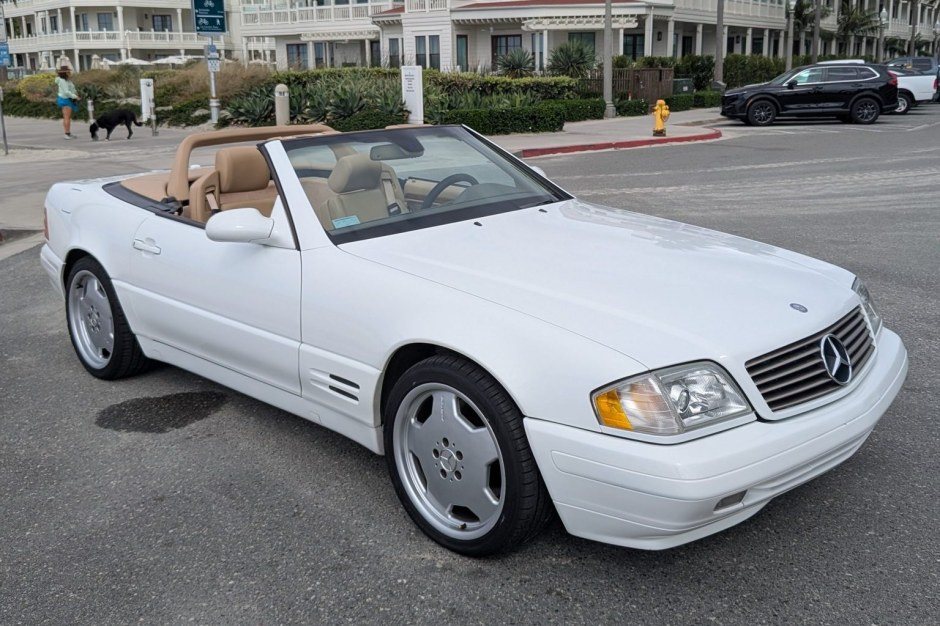
Clean 2000 Mercedes-Benz SL500 with 51,000 miles heads to auction
Economy 52
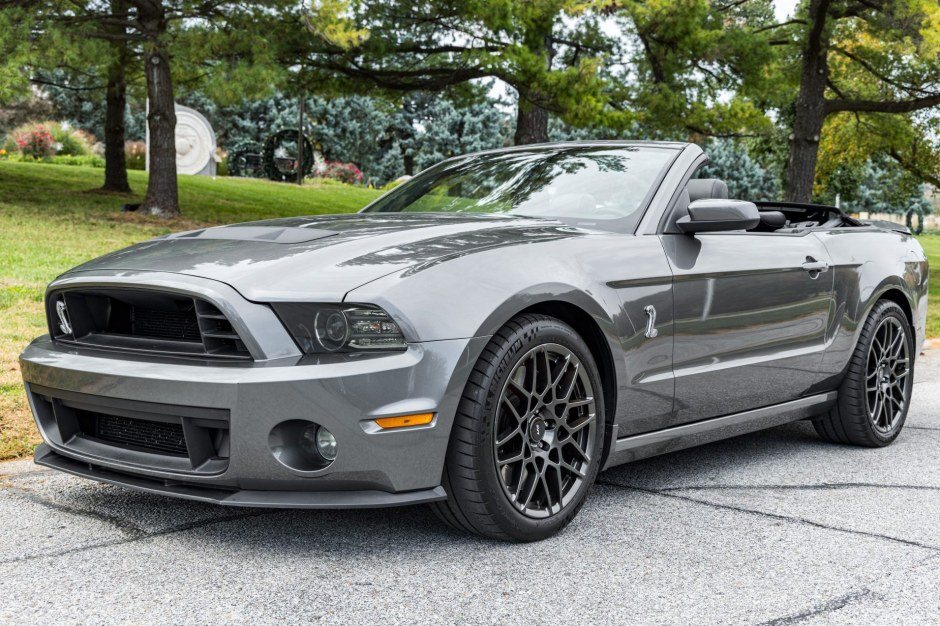
A 2014 Mustang Shelby GT500 Convertible Goes to Auction on Bring a Trailer
News 167
Thailand faces criticism over plans to return two Uyghur men to China
Politics 125
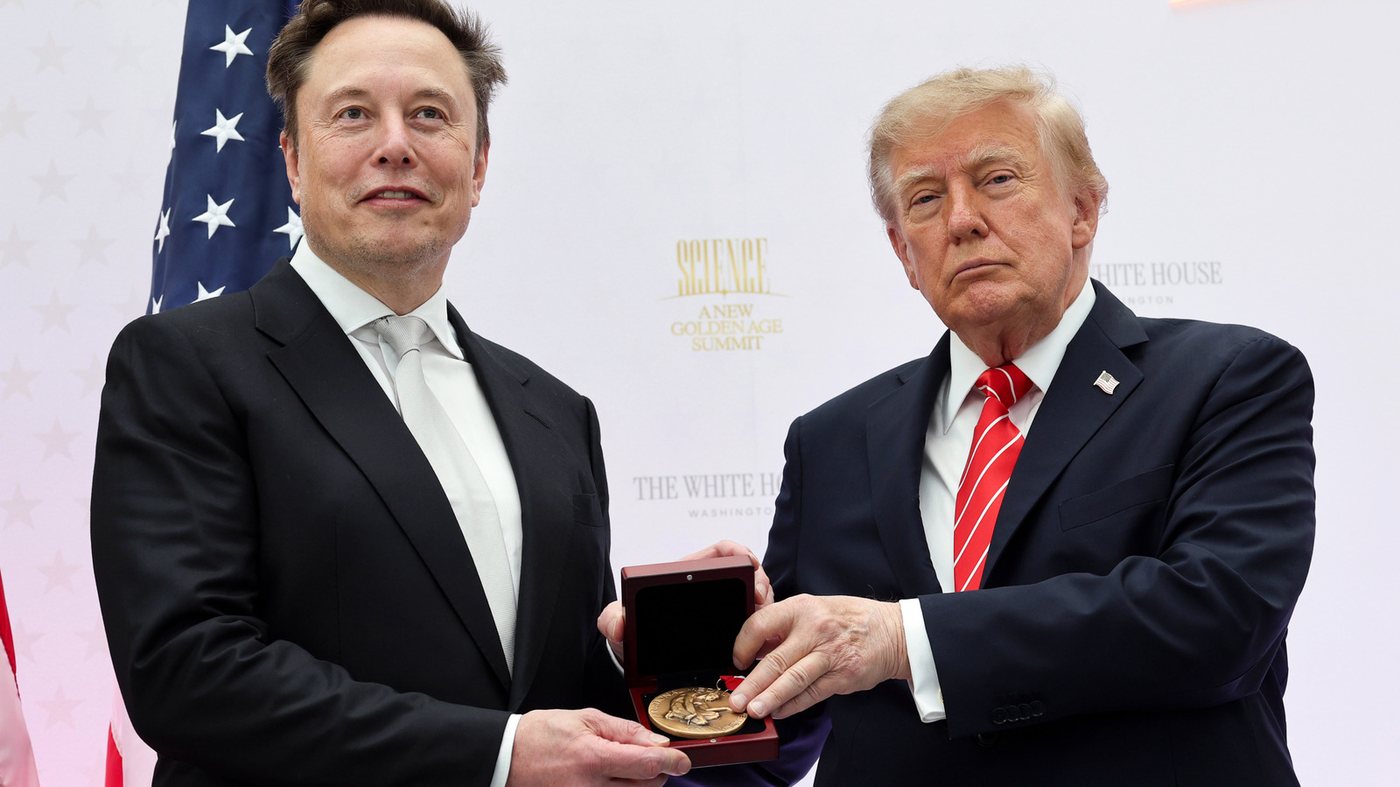
Musk’s reported $474 million political ad spend contrasted with alternative car p…
Sports 302
Ja Morant and Tobias Harris sidelined as Spurs visit Trail Blazers
Technology 361
Electric cars wear tyres faster than petrol models, MOT data shows
Crewe-based Whitby Morrison has launched what it says is the UK's first certified electric ice cream van, built on a Mercedes eSprinter chassis, as the wider van market slowly moves toward electrification.
By Eleanor Ellington · 3 min read
Whitby Morrison, a family-owned ice cream van maker in Crewe, has launched what it describes as the first certified electric ice cream van in the United Kingdom. The vehicle is built on the eSprinter 414 81kWh chassis cab from Mercedes-Benz, and the company says it signals a shift in a sector that has long relied on diesel-powered vehicles.
The company, founded in 1962, builds about 80 conversions a year, most of them on Mercedes Sprinter chassis cabs. Each build takes around eight weeks, and customers currently face a lead time of about 12 months. The electric demonstrator is priced at around £200,000 plus VAT, a figure that reflects its place at the premium end of the market.
According to the manufacturer, the electric van offers a claimed real-world range of 180 miles, rising to 200 miles in testing. Charging performance is central to the pitch. Topping up from 20 to 80 per cent on a 22kW charger takes just over two hours, while a 110kW rapid charger reduces that window to about 26 minutes. For operators whose routes depend on predictable daily schedules, those figures will determine whether the vehicle can fit into a working day.
The launch also highlights Whitby Morrison's existing ePower system, which runs conventional diesel vans silently from lithium batteries. The company says about 70 per cent of its new diesel vans are fitted with ePower, a sign that the firm has been moving toward lower-emission operation before the fully electric model arrived. The approach allows customers to adopt battery power without committing immediately to a fully electric vehicle.
Commercial challenges remain. Exports now account for only about 5 per cent of the company's business, a decline the firm has partly blamed on Brexit. Demand for the new electric van has so far been modest, with only a handful of orders received. One buyer has been identified: Hocking's Dairy Cream Ices, a business based in Devon.
The wider context is a UK van and truck industry that is trying to decarbonise. The Society of Motor Manufacturers and Traders reports that more than £1 billion has been committed to UK van and truck manufacturing over the next five years. Whether small specialist builders such as Whitby Morrison can convert that investment into steady orders for niche electric vehicles will be one of the tests for the sector in the years ahead.
Source: electrek.co
3