Business 346
Toyota Raises RAV4 Hybrid Prices and Upgrades Woodland Suspension for 2027
In this issue
Business 346
Toyota Raises RAV4 Hybrid Prices and Upgrades Woodland Suspension for 2027
Culture 369
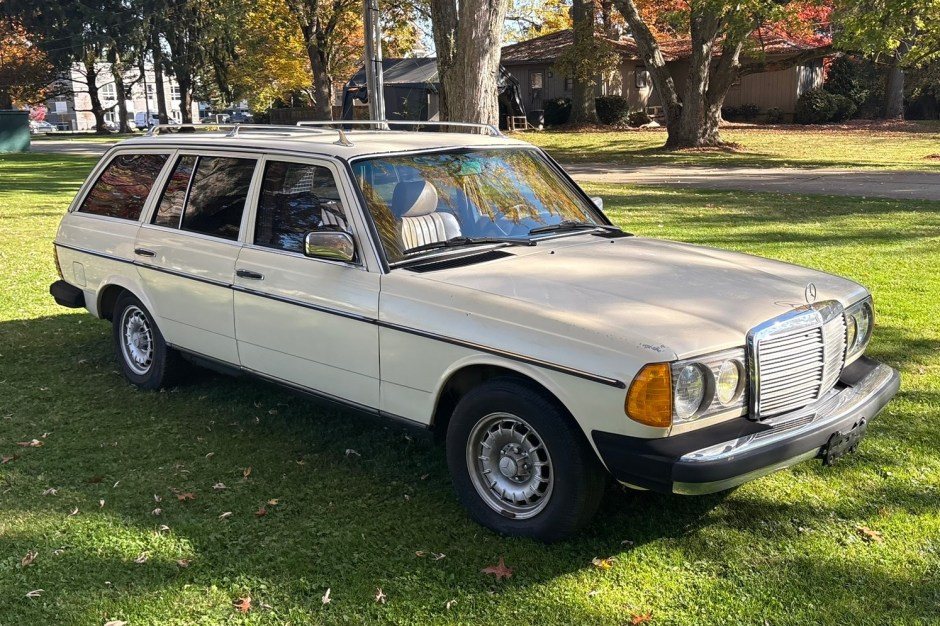
1984 Mercedes-Benz 300TD Turbo Offered Without Minimum Bid at Auction
Economy 51
British healthcare worker tests positive for Ebola in Congo
News 165
Britain faces snow band across 500 miles and cold snap near -7C
Politics 125
Musk’s reported $474 million political ad spend contrasted with alternative car p…
Sports 299
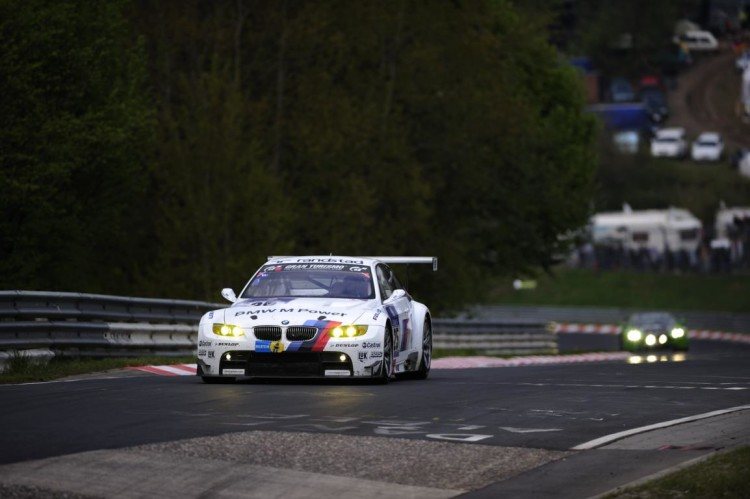
BMW M4 CSL holds fastest production lap of Nürburgring Nordschleife
Technology 360
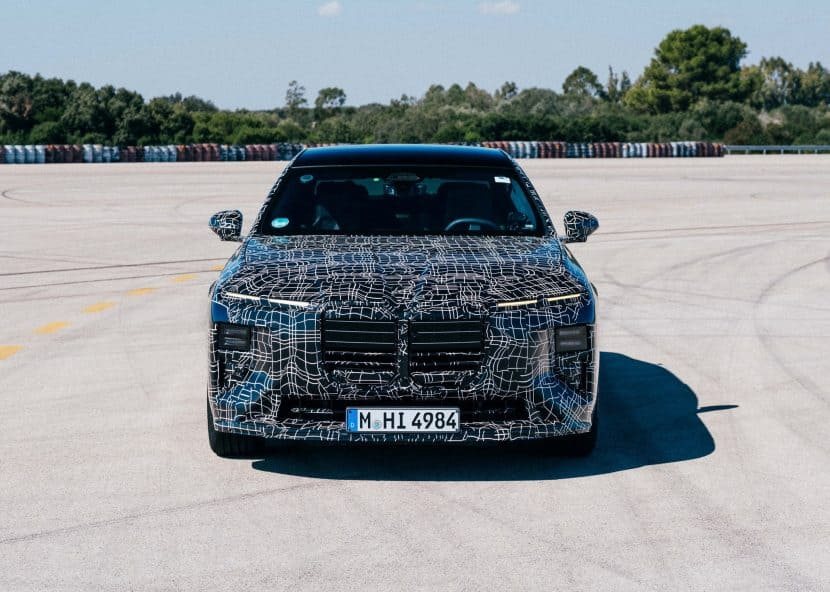
Electric BMW Alpina 7 Series prototype spotted on test drives
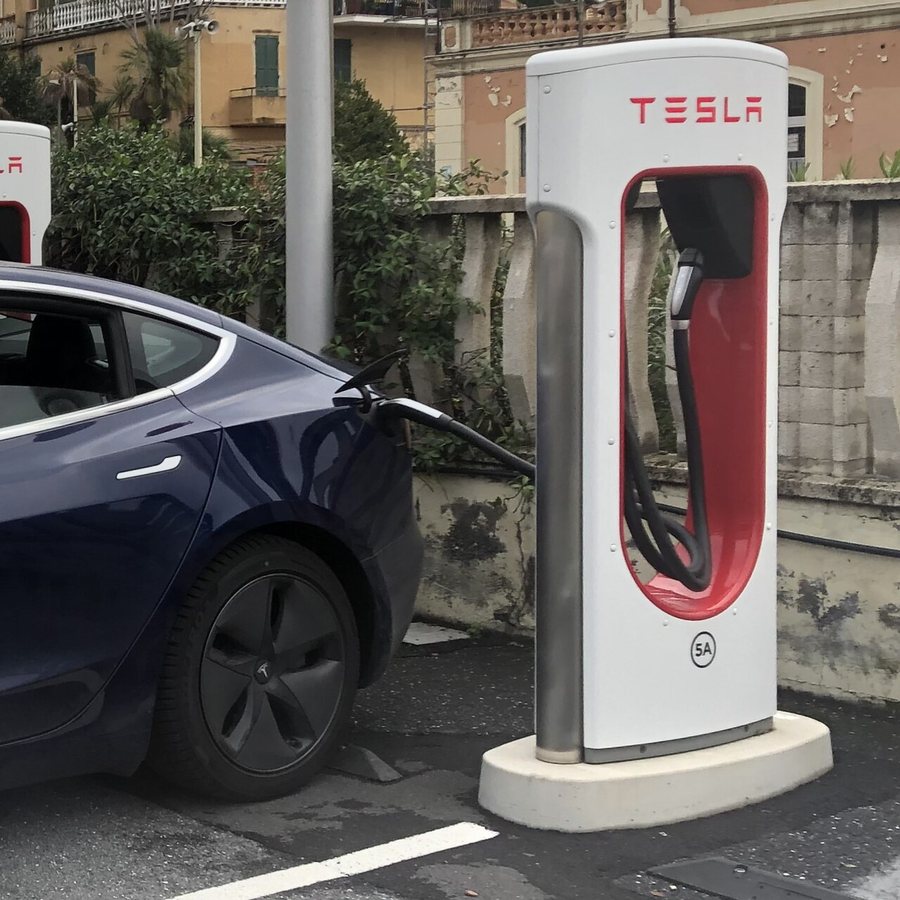
Heavier electric cars and their instant torque are linked to higher tyre wear, with MOT figures showing more EVs failing on tread depth and cut cords than petrol cars.
By George Kensington · 4 min read
Electric cars are wearing through their tyres faster than petrol models, and the extra weight and instant torque of EVs are being blamed. Figures drawn from MOT testing, analysed in a report by New Automotive, suggest that electric vehicles aged between three and eight years are more likely to fail on tyre condition than their petrol counterparts.
The analysis found that about 26 in every 1,000 EV MOT tests showed tread below the legal limit, compared with roughly 18 per 1,000 for petrol cars. Cuts that expose the cords were also more common, at around 30 per 1,000 electric vehicles against 14 per 1,000 petrol cars. The comparison covered 1.6 million EV tests and 17.9 million tests on internal combustion cars.
The British Tyre Manufacturers' Association figures point the same way at the level of overall failure rates. Electric vehicles failed on tyres at 6.0 per cent, against 4.7 per cent for diesel cars and 4.3 per cent for petrol cars. The report stresses, however, that defect figures are not a direct measure of tread wear, since they also capture problems such as sidewall cuts and bulges.
The main explanation offered is physical. As a rule of thumb, tyre wear rises in step with added weight, and electric cars are roughly 20 per cent heavier than their petrol equivalents, which implies around 20 per cent more wear. Instant torque, delivered the moment the driver presses the accelerator, adds further stress to the rubber. Speed, braking, wheel alignment and individual driving style also play a part. Where the wrong tyres are fitted to heavy, high-torque electric cars, wear rates can double.
Owners may also be neglecting tyres more than they realise. Driver behaviour and reduced servicing needs on electric cars can leave tyres overlooked, a factor that could contribute to the higher failure rates seen at MOT.
Tyre makers are responding with products designed for the job. EV-specific tyres are available, though they can cost up to 50 per cent more than standard tyres. Specialist designs are intended mainly to offset the wear caused by added weight and torque.
The wear question also feeds into the debate over emissions and health. Greater tyre wear does not necessarily mean proportionally more airborne particles, but fine tyre particles, unlike larger rubber fragments that stay on the ground, can become airborne and be inhaled. New tyre standards under Euro 7 are pushing manufacturers towards longer-lasting abrasion-resistant compounds, and those new compounds may change particle toxicity in ways that are still poorly understood.
The wider lifecycle picture remains part of the context. About two billion end-of-life tyres are discarded globally each year, and tyres last roughly two years on average. Electric cars are estimated to offer a lifecycle carbon dioxide advantage of around 50 per cent over petrol cars, a figure the tyre findings do not overturn but do place under scrutiny.
Looking ahead, Volkswagen has previewed a streamliner concept tyre, developed with Continental, with rolling resistance around 25 per cent below the European Union's 'A' threshold. Citroen's 2CV concept, meanwhile, uses a digital twin to adjust stability control to conditions.
Source: autocar.co.uk
4