
Business 120
BYD Plans Three European Assembly Plants and a Battery Factory
In this issue
Business 120
BYD Plans Three European Assembly Plants and a Battery Factory
Culture 125
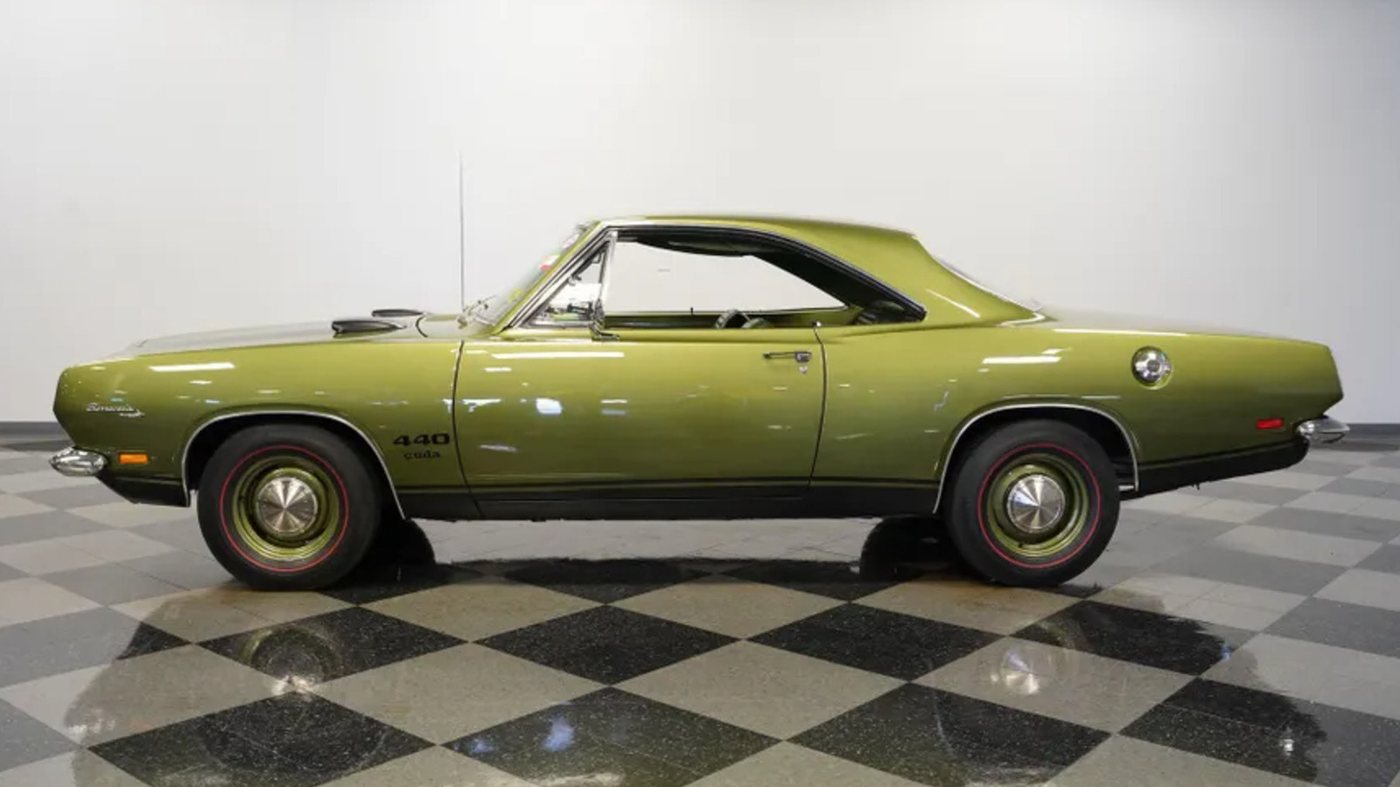
Low-Mileage 1969 Plymouth Barracuda With Factory 440 V8 Heads to Market
Economy 31
Diesel Hits $10 a Gallon in California as Stations Run Dry
News 129
Oil Conflicts Disrupt Global Supply as Electric Cars Remain Unaffected
Politics 105
Reform UK's Welsh Leader Dan Thomas Resigns After Arrest on Suspicion of Assault
Sports 240
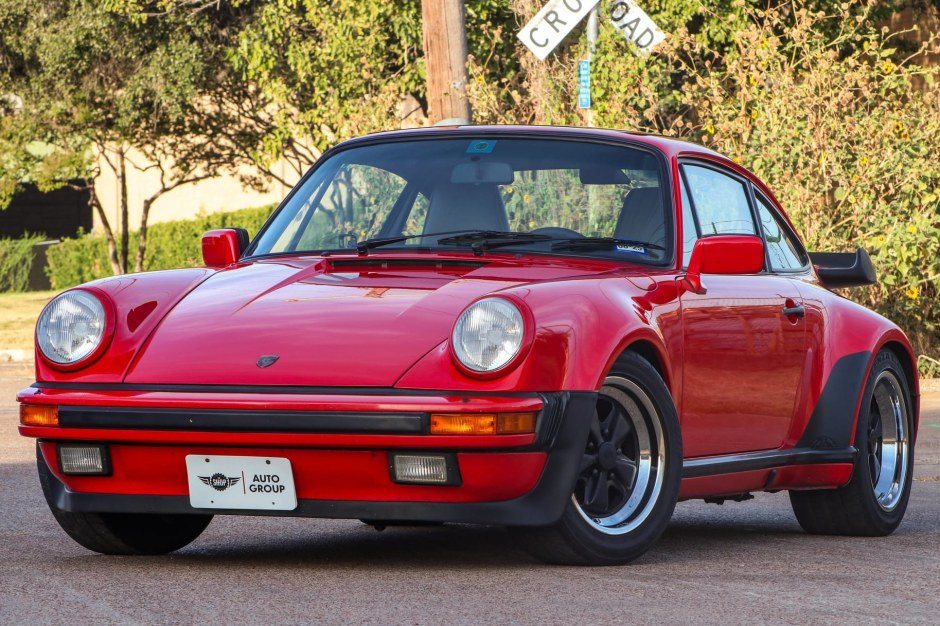
Manthey Racing Porsche 911 GT3 RS Listed for Sale in Utah
Technology 143
Skoda Kodiaq vRS Proves a Capable Long-Distance Cruiser
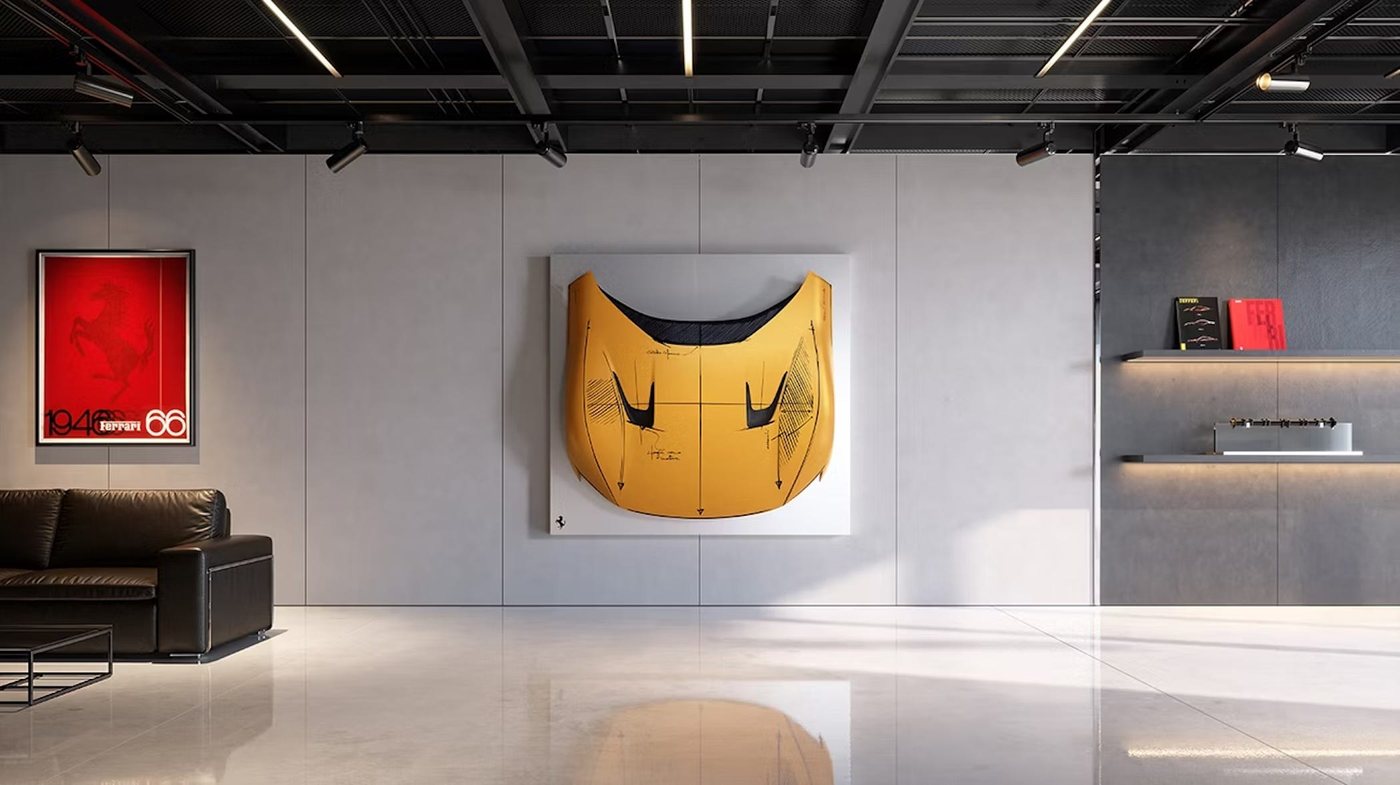
Ferrari will offer body panels bearing original sketches by its chief designer, turning automotive components into collectible artwork for display in homes and galleries.
By Charlotte Redford · 3 min read
Ferrari is preparing to sell body panels decorated with original sketches by its chief designer, transforming functional car components into collectible works of art. The initiative allows customers to acquire a piece of automotive design history that can be displayed on a living room wall rather than fitted to a vehicle.
The panels, which include parts such as the hood of a 12Cilindri, will be anointed with drawings by Ferrari's head of design. The move positions the Italian marque at the intersection of luxury motoring and fine art, appealing to collectors who already treat high-performance cars as investments and aesthetic objects.
Ferrari has not disclosed pricing or availability, but the concept reflects a broader trend among premium automotive brands to monetise their design heritage. By offering sketched panels directly, the company creates a new category of official memorabilia that sits between merchandise and one-off commissions.
The 12Cilindri, a front-engined V12 grand tourer, is among Ferrari's most recent models and carries a design language that references the marque's grand touring past. A hood panel bearing the chief designer's hand-drawn work would therefore combine contemporary model significance with the personal mark of the person responsible for its lines.
For collectors, the appeal lies in authenticity and scarcity. Unlike prints or reproductions, each panel is a physical part of a Ferrari, albeit one that has been repurposed. The sketch adds a layer of authorship that distinguishes the object from standard spare parts or dealer wall art.
The initiative also raises questions about how automotive art is defined and valued. Ferrari's brand equity is such that almost any object carrying its insignia attracts attention, but a panel signed by the chief designer moves the item closer to the territory of limited-edition artwork sold by galleries and auction houses.
It is not yet clear whether the panels will be sold through Ferrari's dealer network, at exclusive events, or via a dedicated channel. The company has increasingly pursued lifestyle and collectible offerings alongside its core car business, including fashion, accessories, and experiential programmes.
Should the programme expand, it could encompass panels from other models, giving collectors the chance to own a piece of the design process associated with different eras of Ferrari production. The chief designer's involvement suggests a curated approach rather than a mass-market product line.
For now, the prospect of a sketched 12Cilindri hood on a wall will intrigue enthusiasts who follow Ferrari's design direction closely. It turns a utilitarian component into a signed artefact, and it reinforces the idea that in the luxury car world, the boundary between machine and art is increasingly porous.