Business 370
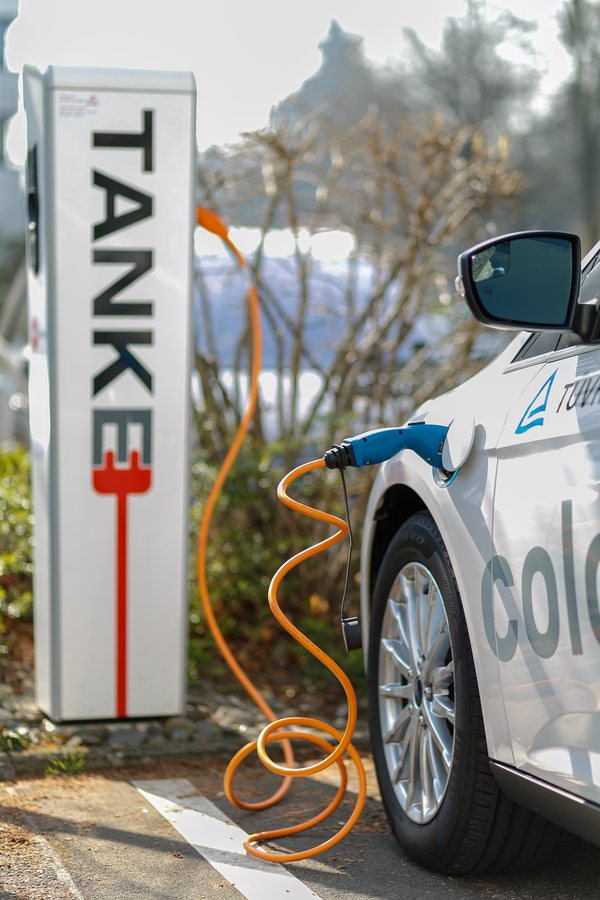
BMW i3 Electric Saloon Scores 4.5 Stars, Tops Performance EV Class in UK Review
In this issue
Business 370
BMW i3 Electric Saloon Scores 4.5 Stars, Tops Performance EV Class in UK Review
Culture 398
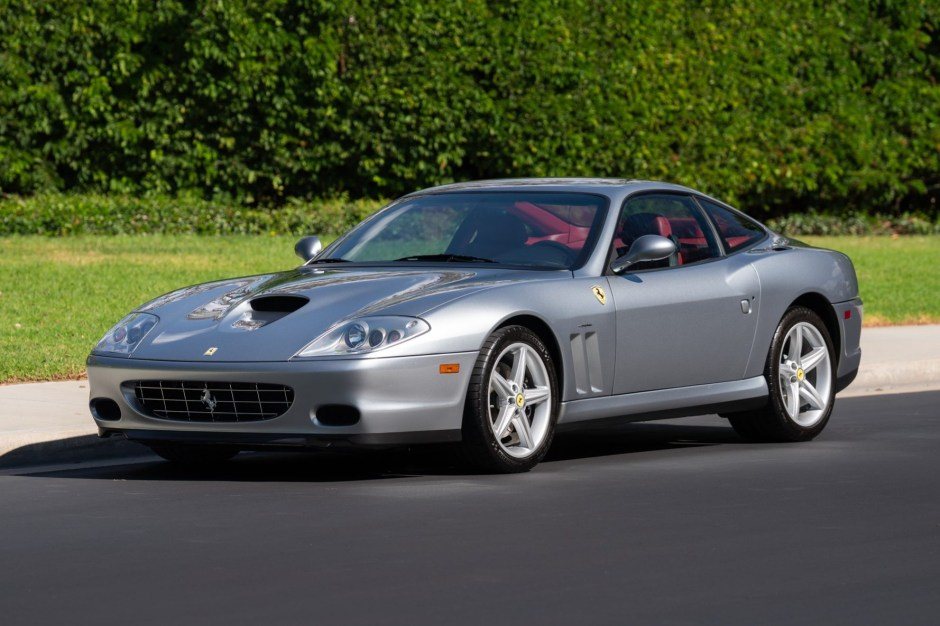
Ferrari 575M Maranello with 9,000 miles offered for sale
Economy 53
Oil prices fall on hopes of easing Iran conflict
News 168
Modified 2026 Toyota Land Cruiser J250 heads to auction with extensive off-road u…
Politics 125
Musk’s reported $474 million political ad spend contrasted with alternative car p…
Sports 304
Lightweight Morgan Supersport 400 beats BMW M240i and Toyota Supra in drag race
Technology 366
Fourteen MEPs Ask EU to Probe Security Risks of BYD Cars
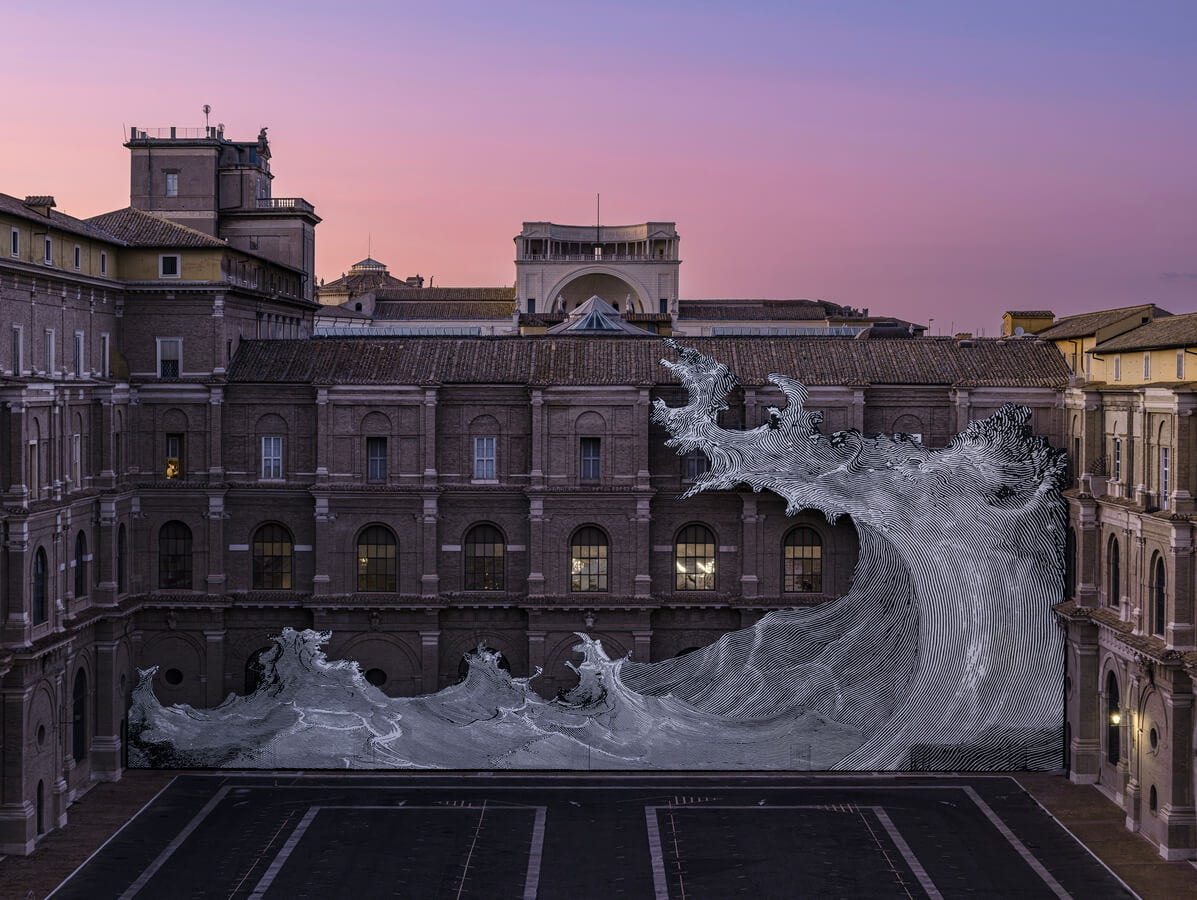
The Holy See is renewing its long-standing role in supporting living artists, with a monumental wave installation by JR on the Apostolic Library and links to the Venice Biennale.
By George Kensington · 3 min read
The Vatican is opening its doors to contemporary art, with a monumental wave installation by the French artist JR on the façade of the Apostolic Library at the centre of the initiative. The project signals a renewed commitment by the Holy See to engaging with living artists, rather than focusing only on the preservation of past masterpieces.
JR’s work is the most visible element of the programme. The installation takes the form of a vast wave, a striking image that places a contemporary artistic language within one of the most institutionally sensitive settings in the Catholic world. The choice of a site associated with the Apostolic Library underlines the intention to bring current creative practice into a space traditionally linked to scholarship, memory and the written heritage of the Church.
The initiative also connects with the Holy See’s presence at the Venice Biennale, where pavilions linked to the Vatican have offered a platform for artistic reflection. A gallery overlooking Via della Conciliazione, the broad avenue leading to St Peter’s Square, is part of the same picture, extending the encounter with contemporary art to a location visited daily by pilgrims and tourists. Taken together, the Library façade, the Biennale pavilions and the gallery on the avenue form a set of points at which the Vatican meets the art world in very different settings, from a closed institutional courtyard to one of the most public thoroughfares in Rome.
The overall aim, as presented in the reporting, is to continue a tradition in which the Holy See has supported contemporary artists, while giving them a space in which to speak to the present. The emphasis is on living creators and their work, a distinction that the reporting draws explicitly: the goal is not simply to conserve the great works of the past but to commission and show art made now. This orientation places the programme within a longer relationship between the Church and artists, one that has produced some of the best-known works of Western art across centuries.
Details on the exact dates, the number of works and the full list of participating artists were not specified in the material available, so the scope of the programme beyond the JR installation and the Biennale connection cannot yet be fully measured. What the reporting does establish is the direction of the initiative: a deliberate opening towards current artistic production, carried out in visible locations that bring contemporary work to audiences who might not otherwise seek it out in a museum.
Source: harpersbazaar.com
16