Business 139
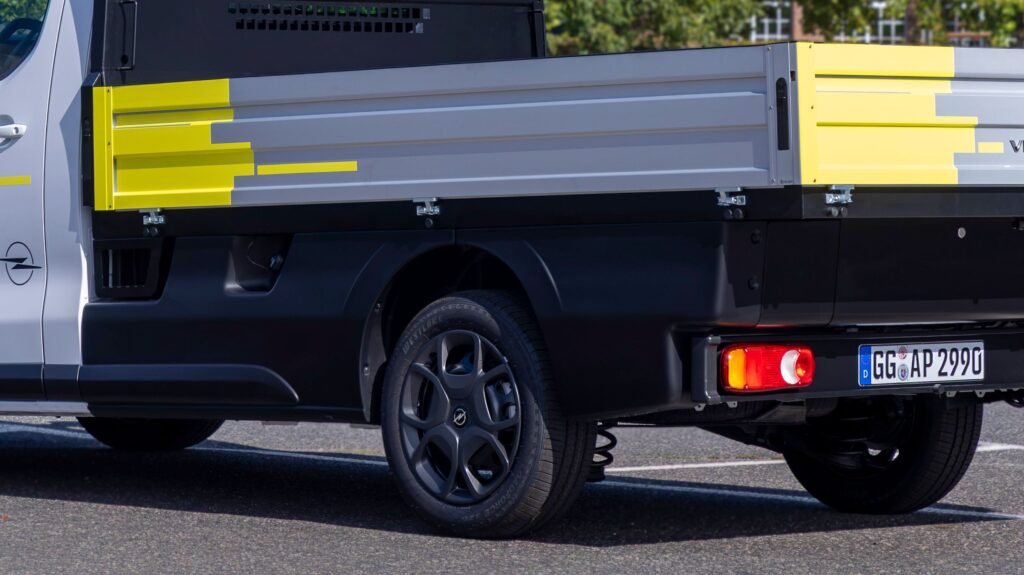
Stellantis Adds Flatbed Opel Vivaro with New 148hp Turbodiesel
In this issue
Business 139
Stellantis Adds Flatbed Opel Vivaro with New 148hp Turbodiesel
Culture 149
Renault Revives Gordini Name for New 8 Concept
Economy 33
Bitcoin and Ethereum Surge to Levels Last Seen in January
News 131
Trump Tells UN Iran Faces Choice Between Deal and Annihilation
Politics 107
Republican Judges Defy Supreme Court in Missouri Redistricting Fight
Sports 245
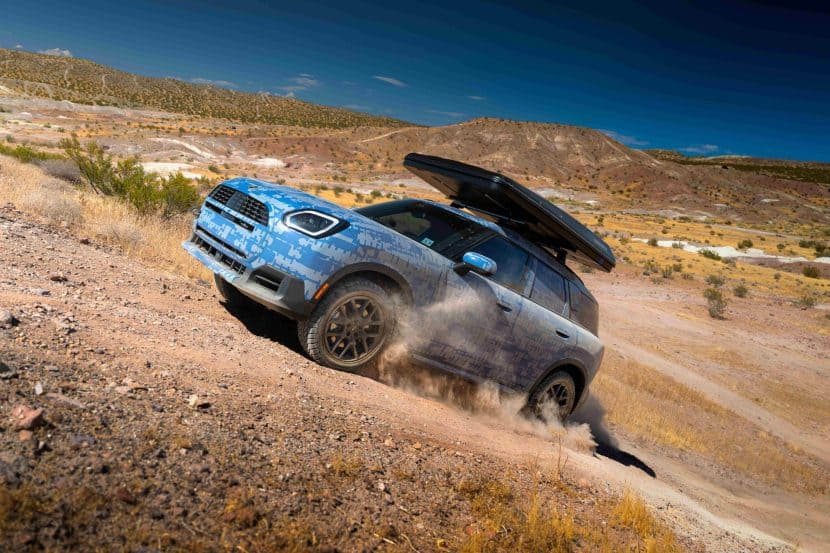
MINI to Debut New Adventure SUV at Rebelle Rally
Technology 162
Waymo Reports 95% Fewer Serious Crashes Than Human Drivers

Ian Griffiths presented a Max Mara collection of chore jackets, loose-fit trousers and block-heeled boots inspired by the 'nonconformist glamour' of Amelia Earhart, rejecting shock value in favour of wearable, wardrobe-friendly clothes.
By Eleanor Ellington · 5 min read
Max Mara sent a collection of well-cut coats, sturdy block-heeled boots, crisp white shirts and capacious suede handbags down the catwalk at Milan Fashion Week, in a show that deliberately avoided shock value in favour of clothes designed to be worn on the street.
The British designer Ian Griffiths, who has worked at the Italian house since 1987, said backstage that he wanted the audience to see themselves reflected in the collection. «I hope everyone watching this show can recognise something of themselves in what they see,» he said. «I think that's really important. Without being critical of other brands or designers, so much of fashion alienates people and makes them feel that they aren't good enough or thin enough or young enough to wear what's being represented.»
The collection drew on the «nonconformist glamour» of Amelia Earhart and other pioneering women, with chore jackets and loose-fit trousers forming the core of the silhouette. Trousers were pleated and roomy, while skirts were long enough to be elegant but not long enough to trip the wearer. In shades of sand and chalk, grey and black, every piece was designed to work with everything else and to blend into an existing wardrobe.
Styling gestures — a popped collar here, a knotted belt there — stopped short of gimmick. The models could have walked off the runway and on to the Milan street, which Griffiths said was precisely the point. «The catwalk show is only the prelude to what to me is the real presentation, which is when I see women walking down the street in my clothes,» he said.
The show reflects a broader mood at Milan Fashion Week, where several houses have favoured pragmatic, wearable design over spectacle. Max Mara's approach places the brand in contrast with labels that rely on viral moments or conceptual shock tactics to generate attention. Griffiths's comments suggest a deliberate positioning: clothes that flatter rather than intimidate, and a collection that respects the customer's existing wardrobe rather than demanding a wholesale replacement of it.
The emphasis on functionality did not come at the expense of craft. The chore jacket, a utilitarian garment historically associated with manual work, was elevated through precise tailoring and refined proportions. Block-heeled boots offered stability alongside style, while the capacious suede handbags answered a practical need for women who move through cities with purpose. The palette of sand, chalk, grey and black reinforced the collection's coherence, allowing individual pieces to be combined in multiple ways.
Griffiths, who has been at Max Mara for nearly four decades, has long championed a vision of fashion that prioritises the wearer over the spectacle. His remarks backstage amounted to a quiet critique of an industry that often presents ideals few can attain. By designing for women of different ages and body types, Max Mara signalled that elegance need not be exclusive or intimidating.
The collection also nodded to the practical demands of modern life. Roomy trousers and mid-length skirts allow for movement, while the absence of restrictive silhouettes suggests comfort was a design principle rather than an afterthought. The result was a wardrobe of interchangeable pieces that could transition from office to evening without requiring a change of clothes.
Milan Fashion Week continues to showcase a range of approaches, from the theatrical to the understated. Max Mara's contribution was a reminder that commercial viability and artistic integrity need not be in conflict. The brand's focus on timelessness over trend cycles positions it for longevity, appealing to customers who invest in pieces intended to last beyond a single season.
For Griffiths, the ultimate validation comes not on the runway but on the pavement. «The catwalk show is only the prelude to what to me is the real presentation, which is when I see women walking down the street in my clothes,» he said. That philosophy underpinned every element of the collection, from the sturdy boots to the generous handbags, all designed to accompany women as they go about their lives with panache.
3