
Business 176
Costco Executive Members Offered £1,600 Saving on Ineos Grenadier
In this issue
Business 176
Costco Executive Members Offered £1,600 Saving on Ineos Grenadier
Culture 203
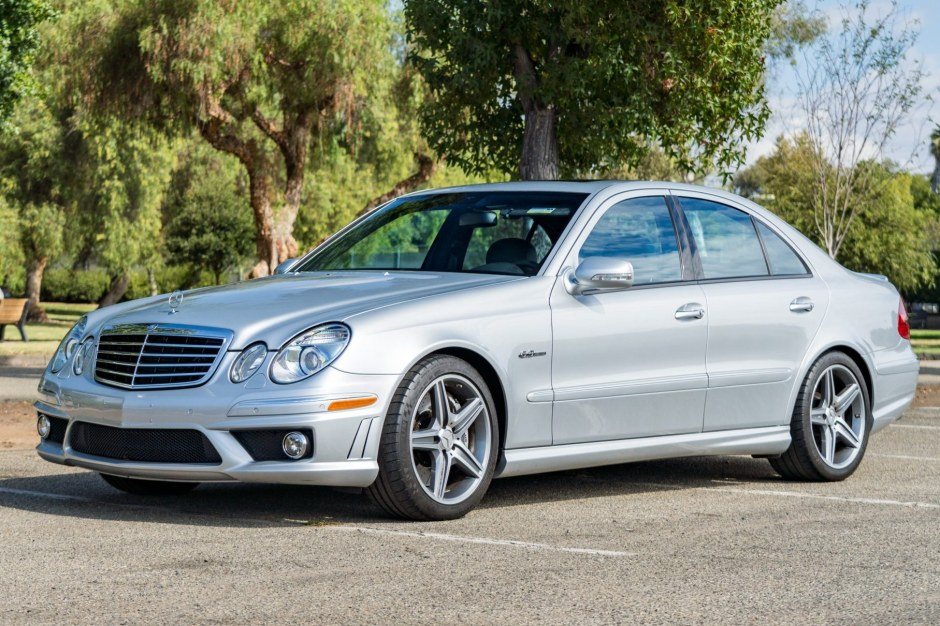
2008 Mercedes-Benz E63 AMG With 28k Miles Listed for Sale
Economy 36
G7 Agrees to Release 100 Million Barrels of Diesel and Crude Oil to Ease Price Su…
News 144
Four Arrested and Race Car Seized After Illegal Drag Race on Long Island
Politics 109
Mahmood Opens New Legal Refugee Routes in Labour Conference Speech
Sports 259
Chiefs, 49ers and Vikings stay unbeaten as NFL Week 4 delivers 14-game slate
Technology 225
2027 Corvette Z06 Arrives in Australia With Updated Interior and 3LZ Kit
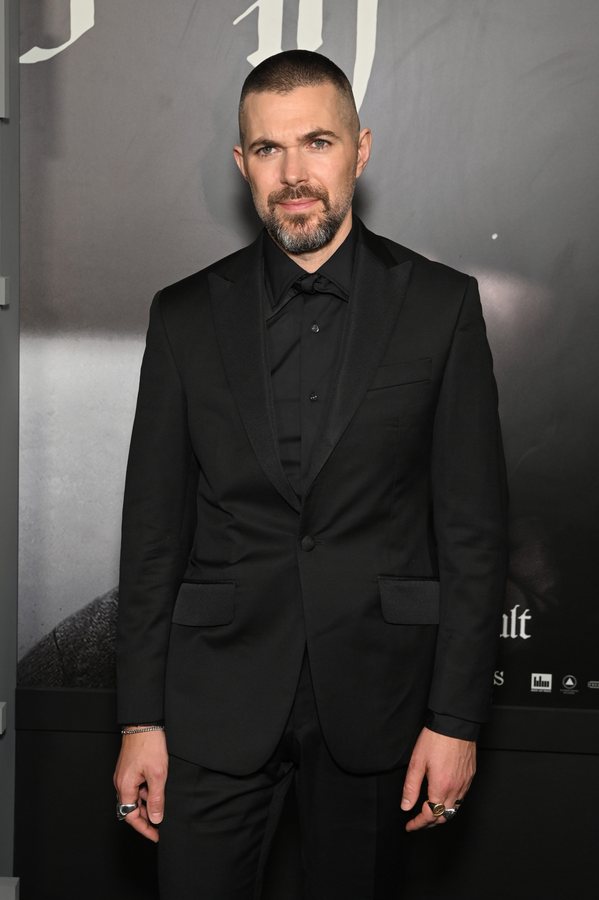
Robert Eggers will follow Nosferatu and Werwulf with a new film adaptation of Shakespeare's Romeo and Juliet, featuring Elizabethan English dialogue.
By George Kensington · 4 min read
Robert Eggers is set to direct a new film adaptation of William Shakespeare's Romeo and Juliet, continuing his run of dark, historically grounded projects. The American filmmaker, known for The Witch, The Lighthouse, The Northman and Nosferatu, will bring the star-crossed lovers back to the big screen with dialogue delivered in Elizabethan English.
The project follows Eggers's recent completion of Nosferatu, his gothic reimagining of the classic vampire tale, and precedes Werwulf, an upcoming film that has already been announced. By turning to Shakespeare, Eggers extends a filmography defined by meticulous period detail, archaic language and a fascination with folklore, myth and the supernatural.
According to the source, the adaptation will retain the original Elizabethan English of Shakespeare's text. That decision aligns with Eggers's established approach: his films often employ historical dialects and dialects researched from primary sources, a method that has become a signature of his work. For Romeo and Juliet, the use of Elizabethan English would place the film closer to the play's original language than most modern adaptations, which frequently update the text to contemporary speech.
No casting details, production timeline or release date have been confirmed. The announcement arrives as Eggers remains one of the most closely watched directors in contemporary cinema, with a reputation for combining genre storytelling with rigorous historical authenticity. His adaptation of Nosferatu, released in late 2024, was a critical and commercial success, reinforcing his standing in the industry.
Romeo and Juliet is among the most adapted works in literary history, with notable film versions including Franco Zeffirelli's 1968 classic and Baz Luhrmann's 1996 update, which set the tragedy in a modern, stylised Verona Beach. Eggers's version would mark a return to the play's original setting and language, potentially offering a darker, more historically rooted interpretation than previous takes.
The director's involvement signals a continued appetite for literary and mythological source material. Werwulf, his next project, is expected to explore medieval werewolf folklore, while the Shakespeare adaptation adds another canonical text to his slate. Details about the film's production, including its studio and financing, remain undisclosed.
For audiences and critics, the pairing of Eggers with Shakespeare raises questions about how the director's austere, atmospheric style will translate to one of the most familiar love stories in Western literature. His previous films have been noted for their intense visual composition, period-accurate production design and unsettling tone, qualities that could bring a new dimension to the tragedy of the Montagues and Capulets.
The announcement has generated interest among film followers and literary enthusiasts alike, though no further information about the cast or crew has been released. Eggers is expected to begin work on the project after completing Werwulf, with production timelines yet to be confirmed.
5