

Business 176
Costco Executive Members Offered £1,600 Saving on Ineos Grenadier
In this issue
Business 176
Costco Executive Members Offered £1,600 Saving on Ineos Grenadier
Culture 202
1969 Jaguar XKE Series II Roadster Heads to Auction in Willow Green
Economy 36
G7 Agrees to Release 100 Million Barrels of Diesel and Crude Oil to Ease Price Su…
News 144
Four Arrested and Race Car Seized After Illegal Drag Race on Long Island
Politics 109
Mahmood Opens New Legal Refugee Routes in Labour Conference Speech
Sports 258
Juan Manuel Fangio: Five Defining Facts of an F1 Legend
Technology 222
Electrify America Opens White-Label Charging Network to Retailers
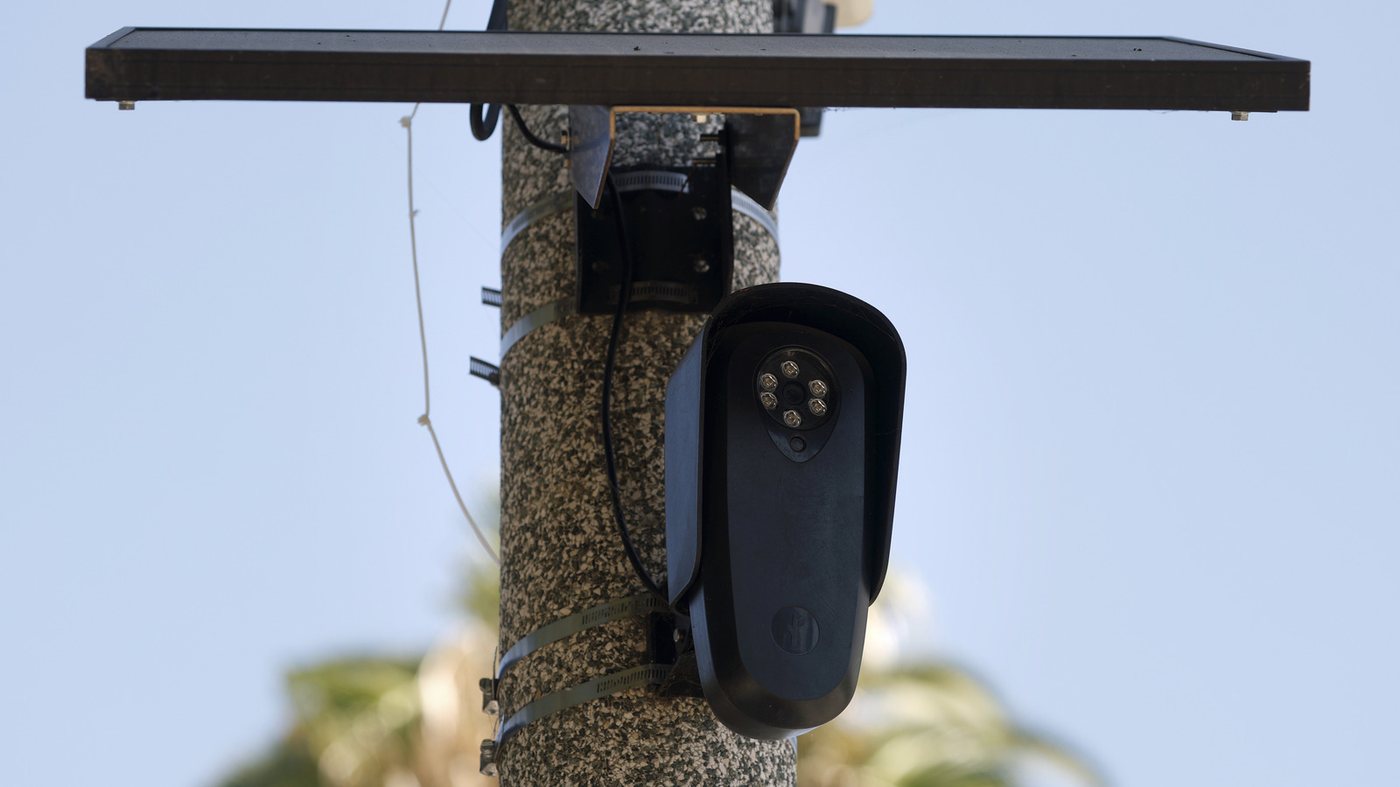
A growing number of US cities are terminating contracts with Flock Safety, the licence-plate surveillance camera company, amid privacy and civil-liberties concerns.
By Charlotte Redford · 5 min read
A growing number of cities across the United States have quietly ended their contracts with Flock Safety, the company behind a nationwide network of automated licence-plate recognition cameras, in a trend that has accelerated without much national attention. The cancellations represent a significant shift in how local authorities are weighing the benefits of mass surveillance technology against concerns over privacy, data retention and civil liberties.
Flock Safety's cameras are mounted on poles and in patrol cars, automatically reading and logging the licence plates of passing vehicles. The data is stored in a searchable database that police departments can access, and the company has marketed the system as a force multiplier for under-resourced law-enforcement agencies. Contracts are typically signed at municipal level, meaning decisions to cancel are made city by city rather than through any coordinated national policy.
The number of cities that have dropped Flock camera contracts has been rising steadily, according to a review of municipal records and public announcements. While the exact total is not fixed, the pattern is clear: communities that once embraced the technology are now choosing not to renew, citing concerns about how long data is kept, who can access it, and whether the systems are subject to adequate oversight. In some cases, city councils have voted to terminate agreements after residents raised objections at public meetings.
Flock Safety has argued that its technology helps solve serious crimes, from vehicle theft to violent offences, and that its data-sharing practices are governed by strict rules. The company has also pointed to audits and privacy controls designed to prevent misuse. Nevertheless, the cancellations suggest that a growing number of local officials are not convinced that the benefits outweigh the risks, or that the safeguards are sufficient.
The trend is notable because it is happening largely out of the national spotlight. There has been no single court ruling or federal directive driving the change. Instead, the shift appears to be the result of grassroots pressure, local journalism and council-level scrutiny. Cities that have cancelled contracts often cite similar reasons: unease about the creation of a de facto national surveillance network, the potential for immigration enforcement to access local data, and the difficulty of auditing a system that relies on a private company's proprietary algorithms.
For Flock Safety, the loss of contracts in multiple cities represents a commercial challenge as well as a reputational one. The company has expanded rapidly in recent years, raising significant investment and signing deals with hundreds of law-enforcement agencies. But the cancellations show that its growth is not inevitable. Municipal contracts are often short-term and subject to renewal, giving local governments regular opportunities to reconsider.
The broader question is whether the trend will continue and whether it will spread to larger cities. If more municipalities follow suit, Flock Safety could face pressure to adjust its data policies, offer more transparency, or accept stricter oversight in order to retain customers. For now, the company continues to operate in many jurisdictions, and the cameras remain a familiar sight on roads across the country.
Privacy advocates have welcomed the cancellations but caution that the fight is far from over. They argue that the patchwork nature of local decision-making means the surveillance network can still expand in some areas even as it contracts in others. The coming months will show whether the recent wave of cancellations is a temporary reaction or the beginning of a more lasting retreat from automated licence-plate surveillance in American cities.
6