Business 173
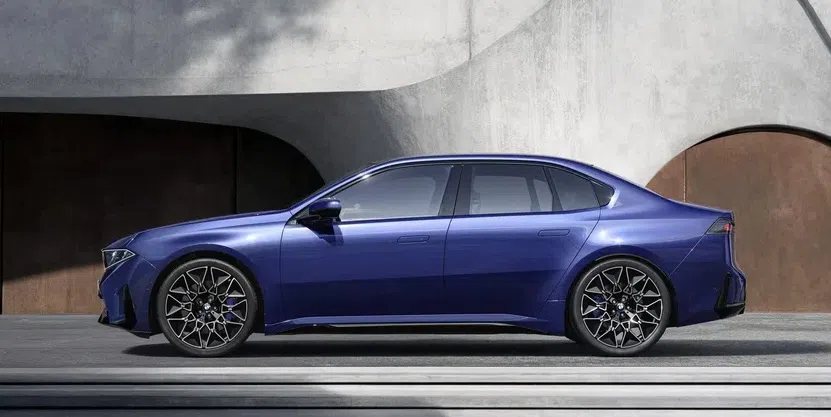
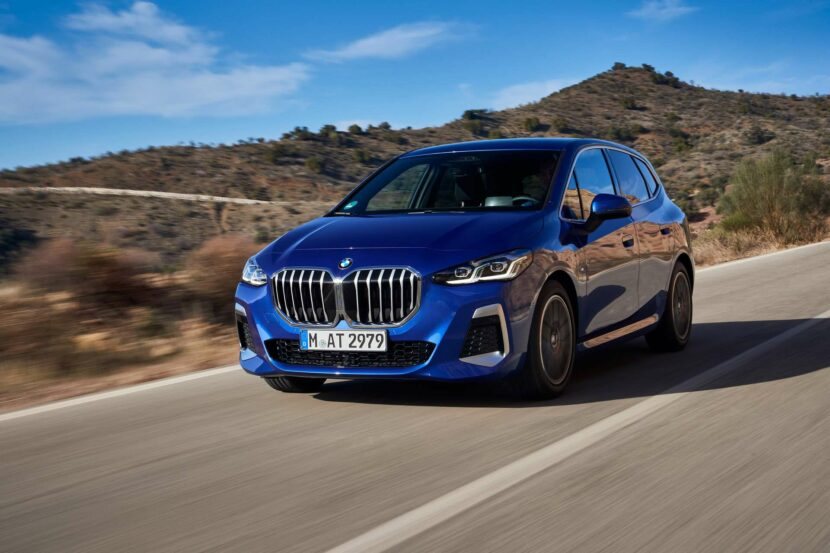
BMW Confirms 2 Series Active Tourer Will Be Axed as Cost Cuts Reshape Lineup
In this issue
Business 173
BMW Confirms 2 Series Active Tourer Will Be Axed as Cost Cuts Reshape Lineup
Culture 202
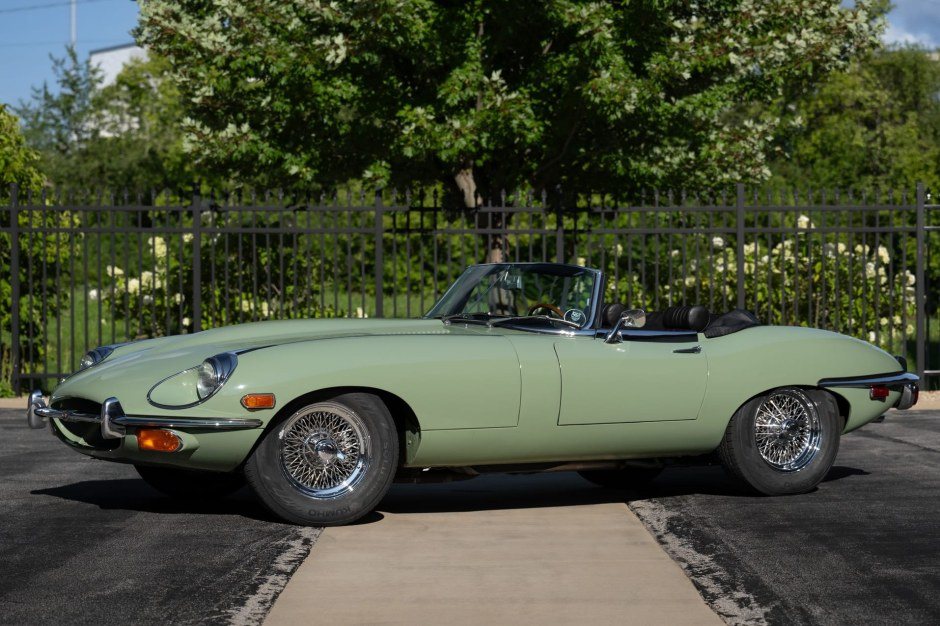
1969 Jaguar XKE Series II Roadster Heads to Auction in Willow Green
Economy 36
G7 Agrees to Release 100 Million Barrels of Diesel and Crude Oil to Ease Price Su…
News 144
Four Arrested and Race Car Seized After Illegal Drag Race on Long Island
Politics 109
Mahmood Opens New Legal Refugee Routes in Labour Conference Speech
Sports 257
Toyota GR Yaris Review: Rally-Bred Thrill at a Steep Price
Technology 221
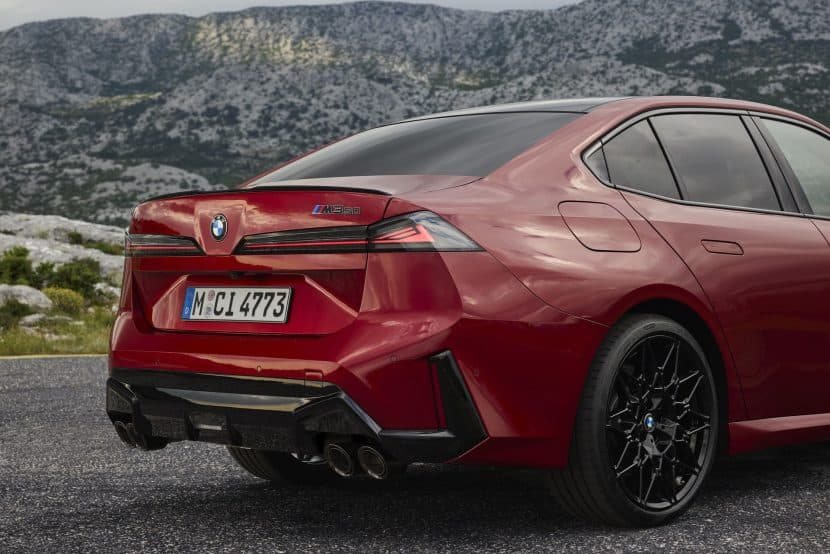
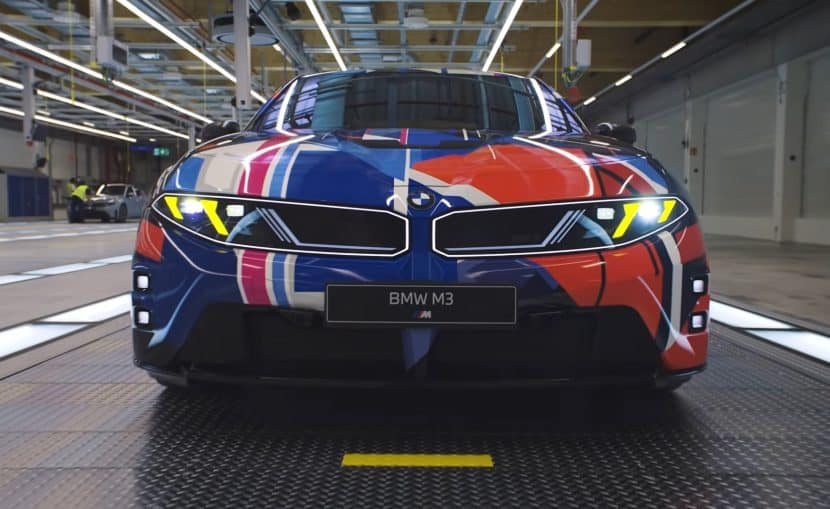
BMW Confirms Electric M3 Will Drop the «i» Badge
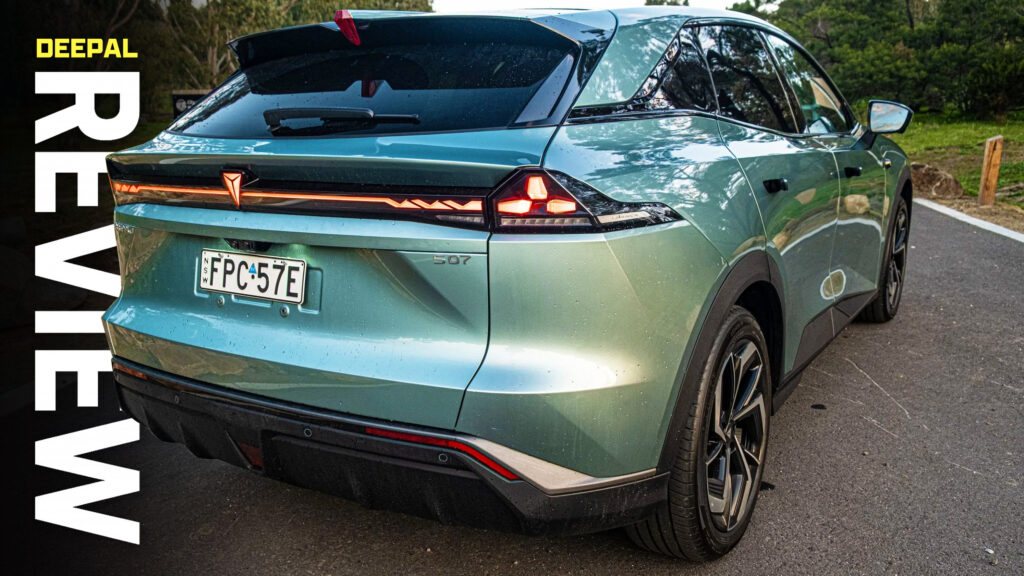
The Deepal S07 arrives in Australia as a competitively priced electric SUV from Chinese automaker Changan, offering distinctive styling and premium interior features at a significant discount to the Tesla Model Y and Kia EV5.
By George Kensington · 4 min read
The Deepal S07 has entered the Australian market as one of the most affordable mid-size electric SUVs available, with a starting price of AU$47,990 including on-road costs. Backed by Chinese automaker Changan, the S07 undercuts the base Kia EV5 by approximately AU$2,000 and the Tesla Model Y by more than AU$15,000, a pricing strategy that reflects the brand's need to establish a foothold in a market where it has no heritage.
Sold in a single configuration with a choice of 19- or 20-inch wheels, the S07 has seen its local price fall by roughly AU$10,000 since its initial launch in early 2025. The vehicle measures 4,750mm in length, 1,930mm in width and 1,625mm in height, with a wheelbase of 2,900mm and a curb weight of 2,073kg. Power comes from a 79.97 kWh ternary lithium battery driving a rear-mounted electric motor producing 160 kW (214 hp) and 320 Nm of torque, delivering a 0-62 mph time of 7.9 seconds through a single-speed transmission.
Charging represents one of the S07's weaker points relative to its competitors. Peak DC charging is limited to 92 kW, meaning a 30 to 80 percent charge takes 35 minutes, while AC charging peaks at 11 kW. The vehicle does include a 3.3 kW vehicle-to-load function, allowing it to power external devices. Efficiency is rated at 17.8 kWh per 100km.
Designed at Changan's facility in Turin, Italy, the S07 features a coupe-inspired roofline and sporty lighting that distinguishes it from much of the competition. The interior follows conventions common to Chinese electric SUVs but compensates with strong material choices. A 15.6-inch central infotainment display comes as standard and supports wireless Apple CarPlay and Android Auto. Notably, the screen can be angled toward the driver or passenger, a feature that proved genuinely useful during testing.
Like the Tesla Model Y, the S07 omits a separate digital instrument cluster, relying instead on a large augmented-reality head-up display. The cabin is trimmed in soft-touch synthetic black leather across the steering wheel, seats, centre console, dashboard and door panels, with orange contrast stitching adding a sporty accent. Rear passengers benefit from adequate space for two large adults, separate climate controls and toggles to adjust the front passenger seat. Boot capacity stands at 445 litres with the rear seats upright and 1,385 litres with them folded.
The S07 drew criticism at launch for feeling unfinished and for poorly calibrated safety systems. Several software updates over the past year have addressed many of these issues. The driver monitoring system, which proved overbearing during testing, can now be easily disabled through a swipe-down menu and remains off after the vehicle is restarted. The infotainment software is responsive and clearly rendered, though the climate control interface proved fiddly when directing air vents. An AI-powered voice assistant greets the driver on entry but can be turned off.
The driving position is generally good, though taller drivers may find the seat does not lower sufficiently and steering wheel adjustment is limited. The S07's combination of competitive pricing, distinctive design and premium interior materials makes it a credible alternative in an increasingly crowded segment, even if it lacks the brand recognition of established rivals.
4