Business 170
BMW Moves 3 Series Production From Mexico To Germany
In this issue
Business 170
BMW Moves 3 Series Production From Mexico To Germany
Culture 192
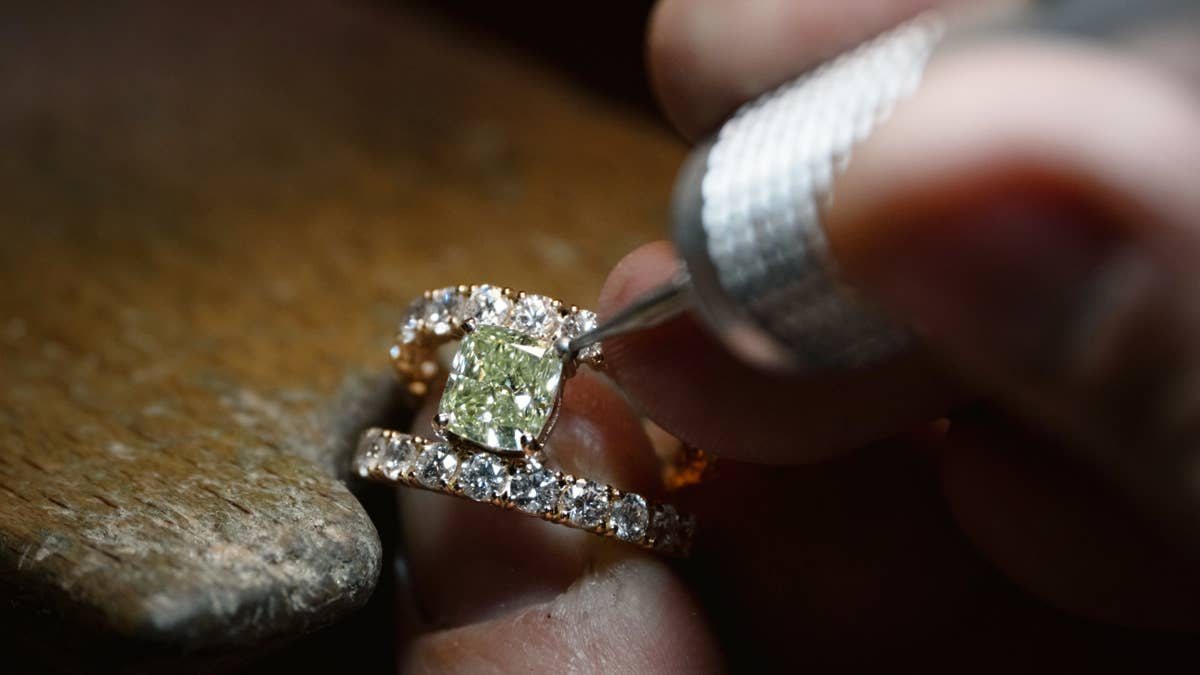
Garatti's Hidden Milan Atelier Becomes the World's Green Diamond Authority
Economy 36
G7 Agrees to Release 100 Million Barrels of Diesel and Crude Oil to Ease Price Su…
News 143
Newcastle University Evacuated as Police Cordon Off Buildings Over Suspicious Item
Politics 109
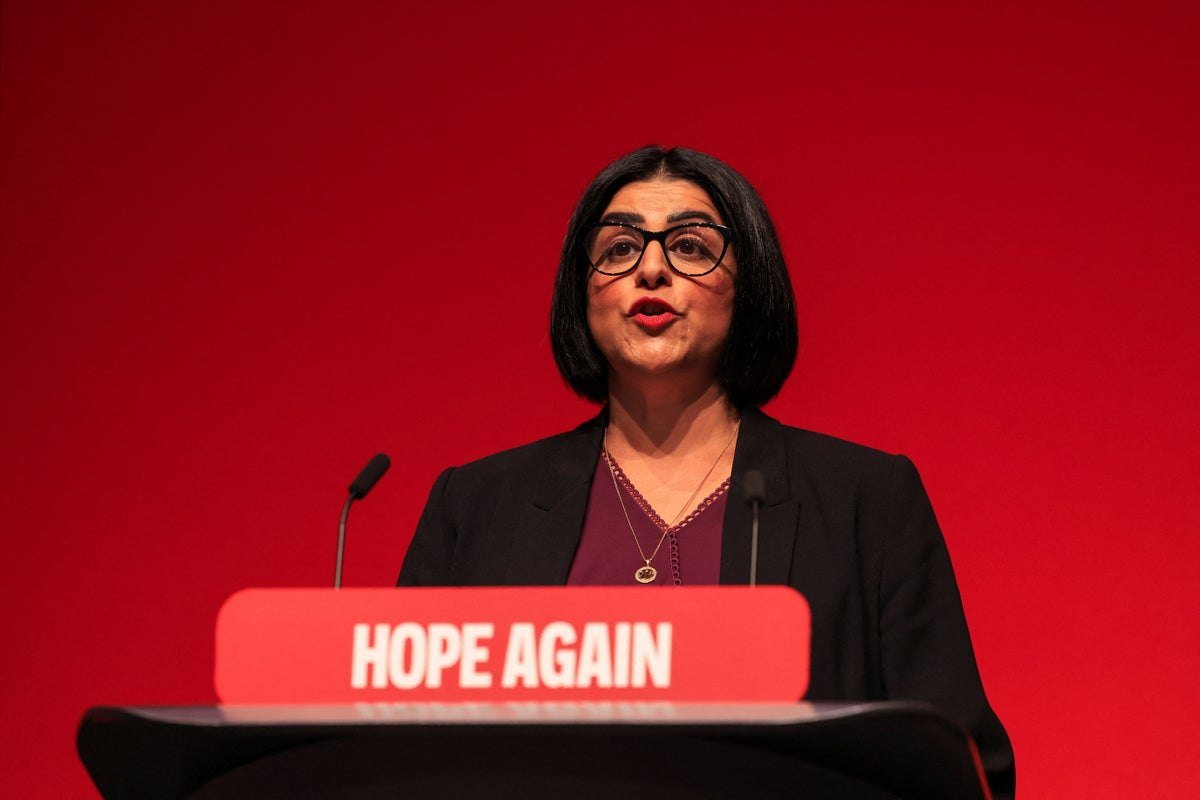
Mahmood Opens New Legal Refugee Routes in Labour Conference Speech
Sports 254
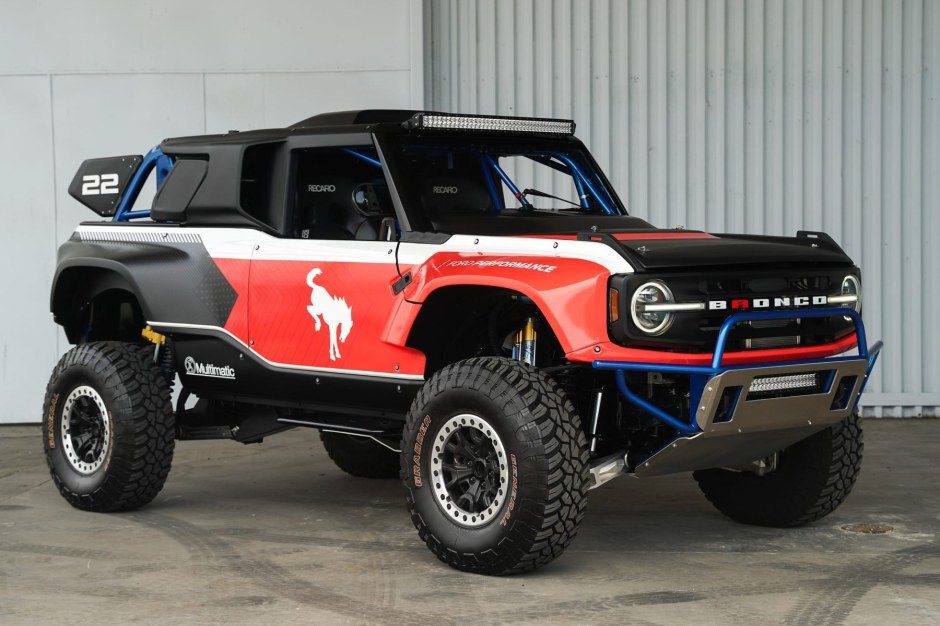
Ford returns to World Rally Championship in 2028 with M-Sport
Technology 214
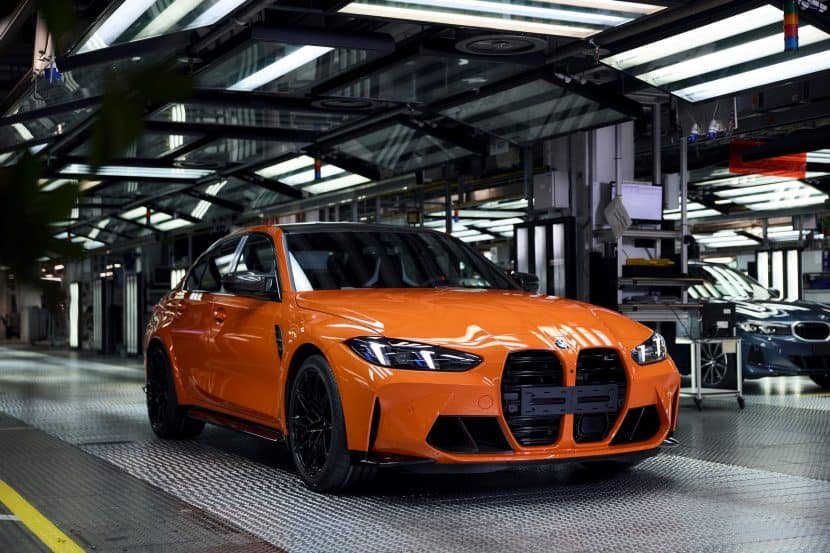
BMW Builds One-Millionth M Car, an M3 in Fire Orange III
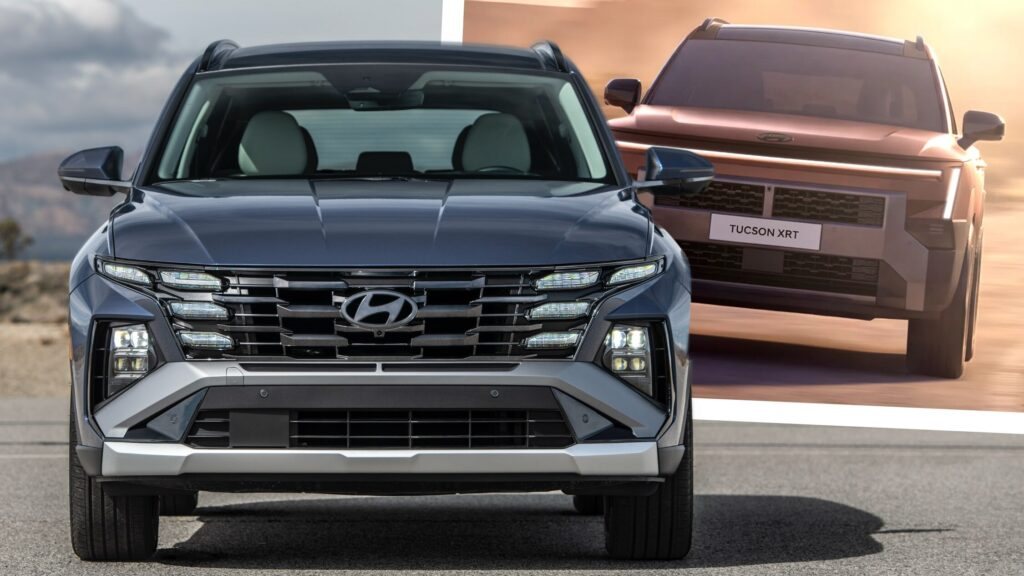
Hyundai's six-year-old Tucson saw US sales rise 32% in September even as a new generation arrives, helping the brand to a record month driven by hybrid demand.
By Eleanor Ellington · 4 min read
Hyundai's fourth-generation Tucson, a compact SUV that debuted in autumn 2020 and is now being replaced by a boxier new model, recorded a 32 per cent jump in US sales last month. The aging vehicle moved 23,164 units in September, up from 17,569 a year earlier, according to industry figures. The surge came despite the model receiving no major changes for the 2026 model year and arriving just weeks after its successor was unveiled in August.
The performance was not a one-off. Tucson sales have climbed 10 per cent across the year to date, reaching 181,687 units. As America's best-selling Hyundai, the Tucson accounts for almost 30 per cent of the brand's US volume, so its uplift had a noticeable effect on the company's overall result. Hyundai's total US sales rose 9 per cent in September to a record 77,439 vehicles.
The broader gains were powered by hybrids, which accounted for 28 per cent of all Hyundai sales last month after demand grew almost 40 per cent. The shift follows the withdrawal of electric vehicle tax credits at the end of September 2025, which has cooled American appetite for battery-electric cars. Sales of the Ioniq 5 and Ioniq 9 both fell 65 per cent year on year in September. At the same time, the Iran conflict's effect on petrol prices has pushed more new-car buyers towards hybrid models. Hyundai, unlike some rivals, developed hybrids in parallel with its electric range, and the strategy is now paying off.
Other models benefited from the same trend. The Palisade, Hyundai's largest SUV, posted the strongest percentage growth, with sales up 52 per cent to 10,327 units from 6,790 a year earlier. The model was new for 2026, and hybrid versions only became available later in 2025. Sonata sales rose 39 per cent to 5,156, while the Santa Fe, which gained a more affordable hybrid trim for 2026, enjoyed a 21 per cent uplift to 12,227 units.
Not every model shared in the success. The Ioniq 6 was effectively wiped out, falling from 814 sales to just three, a decline of 100 per cent. The Kona edged up 12 per cent to 4,574, and the Venue rose 12 per cent to 3,164. The Santa Cruz pickup slipped 9 per cent to 1,620. Elantra sales were broadly flat, up 1 per cent to 13,902.
For the third quarter, Hyundai's total US sales reached 246,896, a 3 per cent increase on the same period in 2025. Year-to-date volume stands at 697,464, also up 3 per cent. The figures suggest that while Hyundai's electric offensive has stalled in the American market, its hybrid line-up is more than filling the gap. With petrol prices showing no sign of falling, the company's hybrid models appear likely to remain in strong demand.
The Tucson's late surge is a striking illustration of how quickly consumer preferences can shift. A vehicle that might ordinarily be expected to fade as its replacement arrives has instead become one of the brand's most dependable performers. For Hyundai, the challenge will be to carry that momentum into the new generation without losing the value proposition that has kept buyers coming back to the outgoing model.
3