
Business 171
Hyundai's Aging Tucson Defies Replacement With 32% September Sales Surge
In this issue
Business 171
Hyundai's Aging Tucson Defies Replacement With 32% September Sales Surge
Culture 192
Garatti's Hidden Milan Atelier Becomes the World's Green Diamond Authority
Economy 35
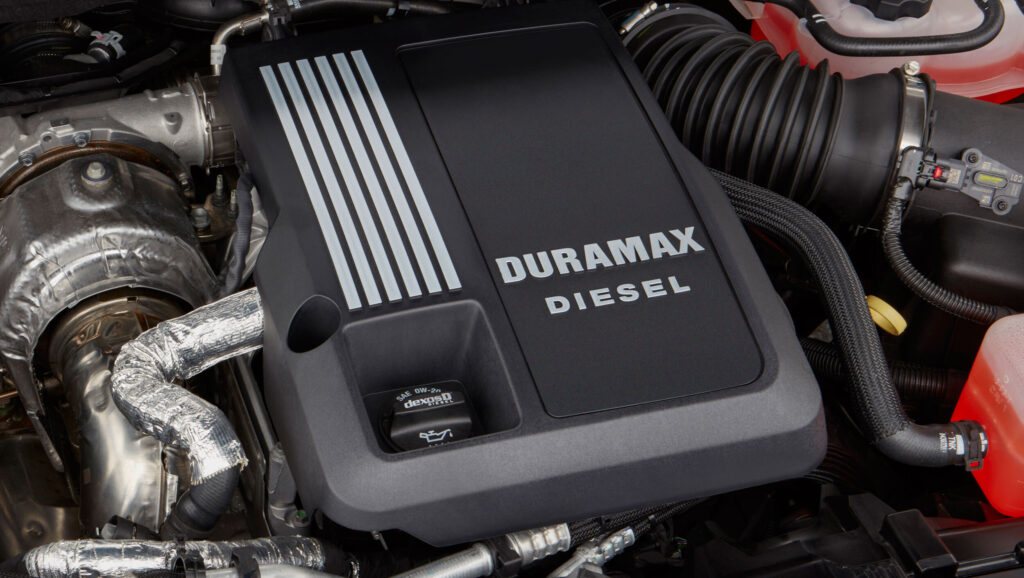
US Weighs Wider Red-Dyed Diesel Sales to Cut Record Fuel Prices
News 143
Newcastle University Evacuated as Police Cordon Off Buildings Over Suspicious Item
Politics 109
Mahmood Opens New Legal Refugee Routes in Labour Conference Speech
Sports 254
Ford returns to World Rally Championship in 2028 with M-Sport
Technology 214
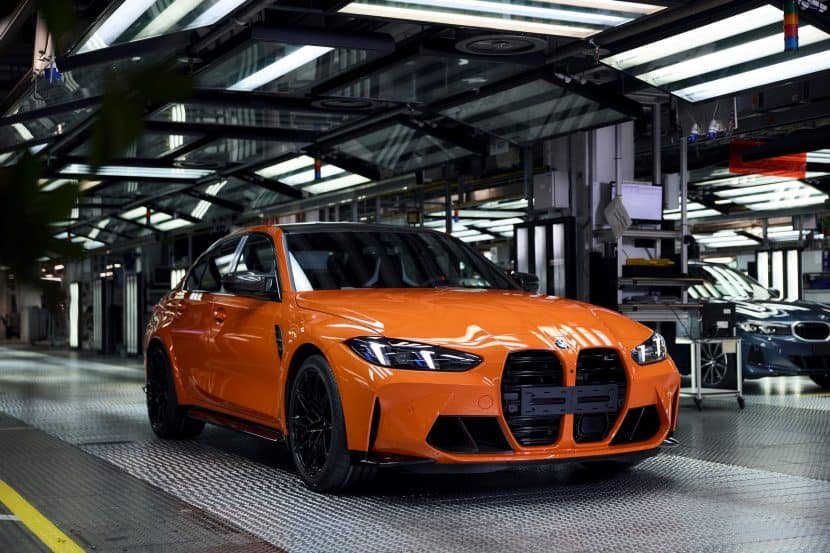
BMW Builds One-Millionth M Car, an M3 in Fire Orange III
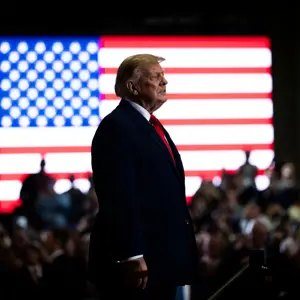
The Group of Seven, including Britain, France and Japan, will release 100 million barrels of diesel and crude oil over four months, effective immediately, after emergency talks on soaring fuel prices.
By George Kensington · 4 min read
The Group of Seven has agreed to release 100 million barrels of diesel and crude oil from strategic reserves over four months, effective immediately, in a coordinated attempt to calm fuel markets and ease the price surge that has pushed diesel costs sharply higher across Europe and beyond.
The announcement followed emergency talks among G7 leaders, whose membership includes Britain, France, Japan and others. The release covers both diesel and crude oil, according to the terms set out by the group, and is intended to address a diesel-specific squeeze that has fed through to transport, industry and household costs.
French President Emmanuel Macron confirmed the move after the emergency discussions, saying the G7 would release up to 100 million barrels of diesel and oil. The decision marks one of the largest coordinated reserve releases by the group in recent years and signals that member governments now regard the diesel market as a pressing economic risk rather than a temporary spike.
Diesel prices have climbed steeply, driven by tight global refining capacity and strong demand for the fuel that powers freight, farming and heavy industry. Because diesel is central to the movement of goods, sustained increases tend to feed into broader consumer prices more quickly than changes in crude alone, giving the G7 a direct interest in bringing the market back toward balance.
The release is structured to run over four months rather than as a single injection, a timetable that suggests the group expects pressure on supplies to persist well into the coming season. By spreading the barrels across that period, members aim to avoid exhausting their reserves in a single gesture while still delivering a visible signal to traders.
Britain has said its own stocks remain resilient despite the emergency talks on Europe's reserves, a position that may reduce the immediate pressure on UK supplies. Even so, UK fuel prices are set by international markets, meaning British motorists and hauliers remain exposed to the wider diesel squeeze regardless of domestic stock levels.
The G7 decision also follows a warning from US President Donald Trump, which added urgency to the discussions over Europe's reserve position. The group's joint action reflects a shared assessment that national releases alone would carry less weight than a coordinated move by the world's largest advanced economies.
For the UK, the announcement places diesel and broader energy costs firmly in the political foreground. Haulage firms, farmers and manufacturers have all warned that elevated diesel prices erode margins and ultimately feed through to shop prices, making the fuel a key transmission channel between global energy markets and domestic inflation.
Economists will watch whether the release is enough to shift market expectations. Strategic reserves can provide short-term relief, but they do not add refining capacity, and the underlying imbalance between diesel demand and supply may persist once the released barrels are absorbed. The four-month timetable therefore sets a test: if prices remain elevated after the programme ends, governments may face calls for further intervention.
For now, the G7's message is one of coordination. By acting together and immediately, member states hope to demonstrate that they are prepared to use their collective reserves to shield their economies from a fuel shock that has already become one of the most closely watched price stories of the year.
3