
Business 156
BMW and MINI to Make Greek Debuts at AUTO ATHINA 2026
In this issue
Business 156
BMW and MINI to Make Greek Debuts at AUTO ATHINA 2026
Culture 176
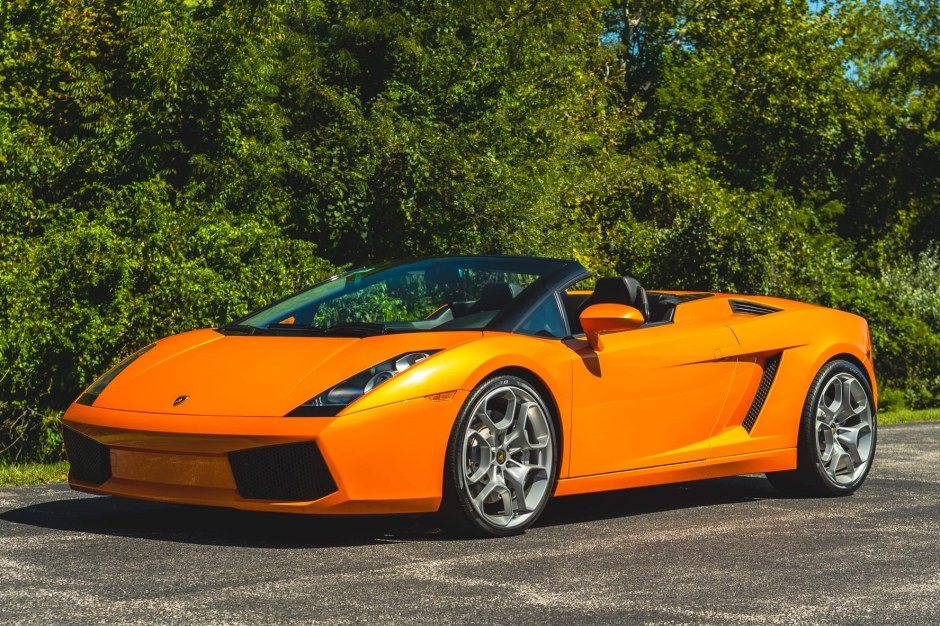
2008 Lamborghini Gallardo Spyder with 14k Miles Heads to Auction
Economy 33
Bitcoin and Ethereum Surge to Levels Last Seen in January
News 135
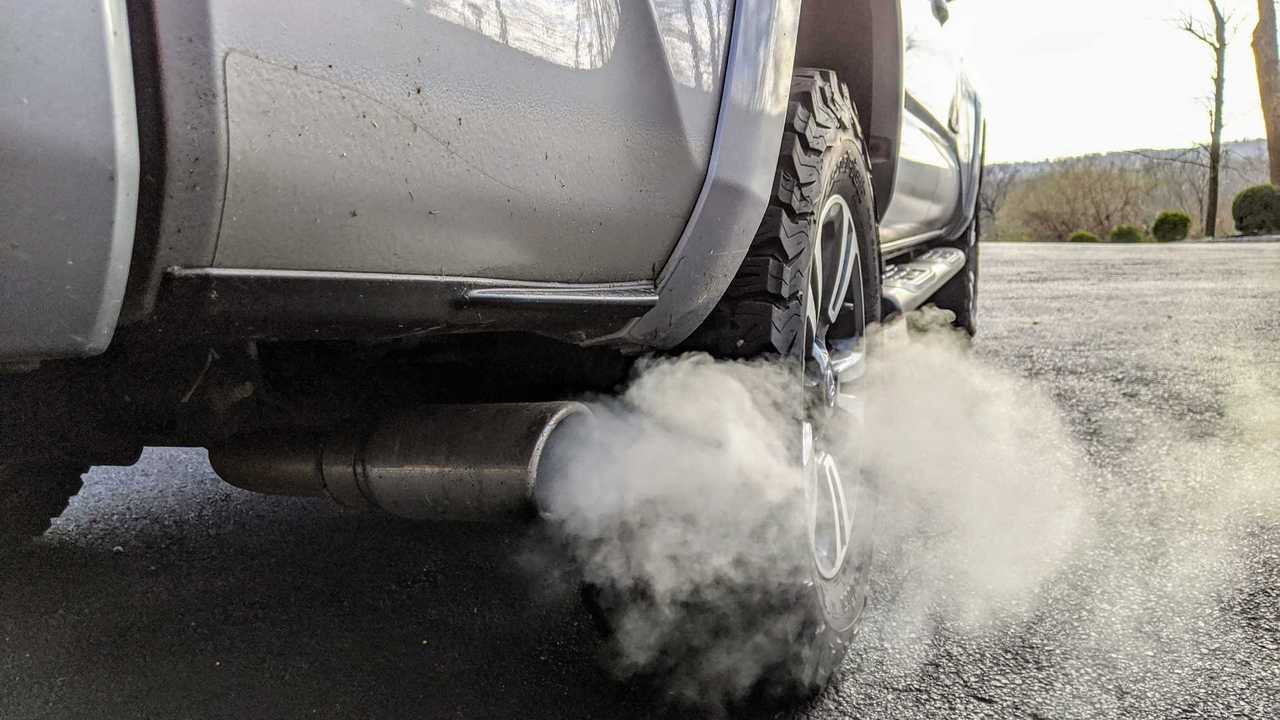
Trump Administration Revises Fuel Economy Rules, Cutting 2031 Target by a Third
Politics 109
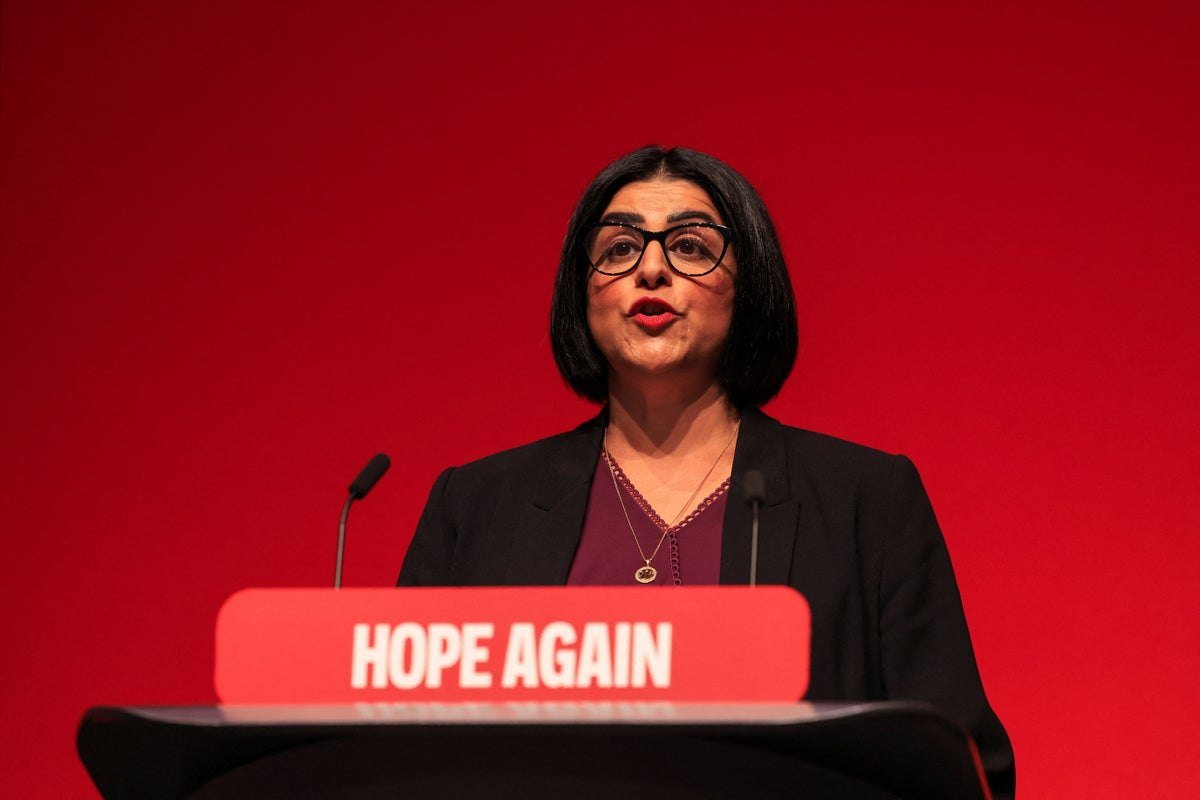
Mahmood Opens New Legal Refugee Routes in Labour Conference Speech
Sports 249
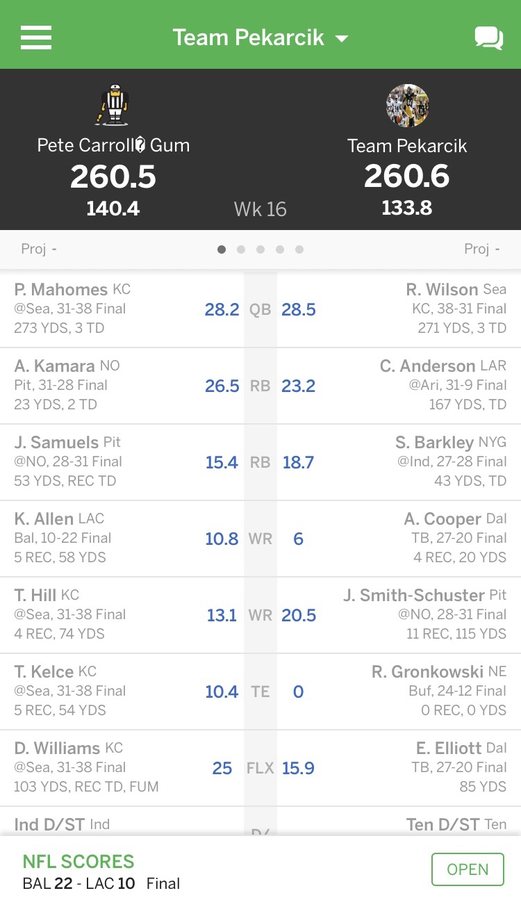
Fantasy Football Leagues Embrace Creative Last-Place Punishments
Technology 186
Tesla Roadster Debut Delayed Again as Texas Weather Forces Two-Week Postponement
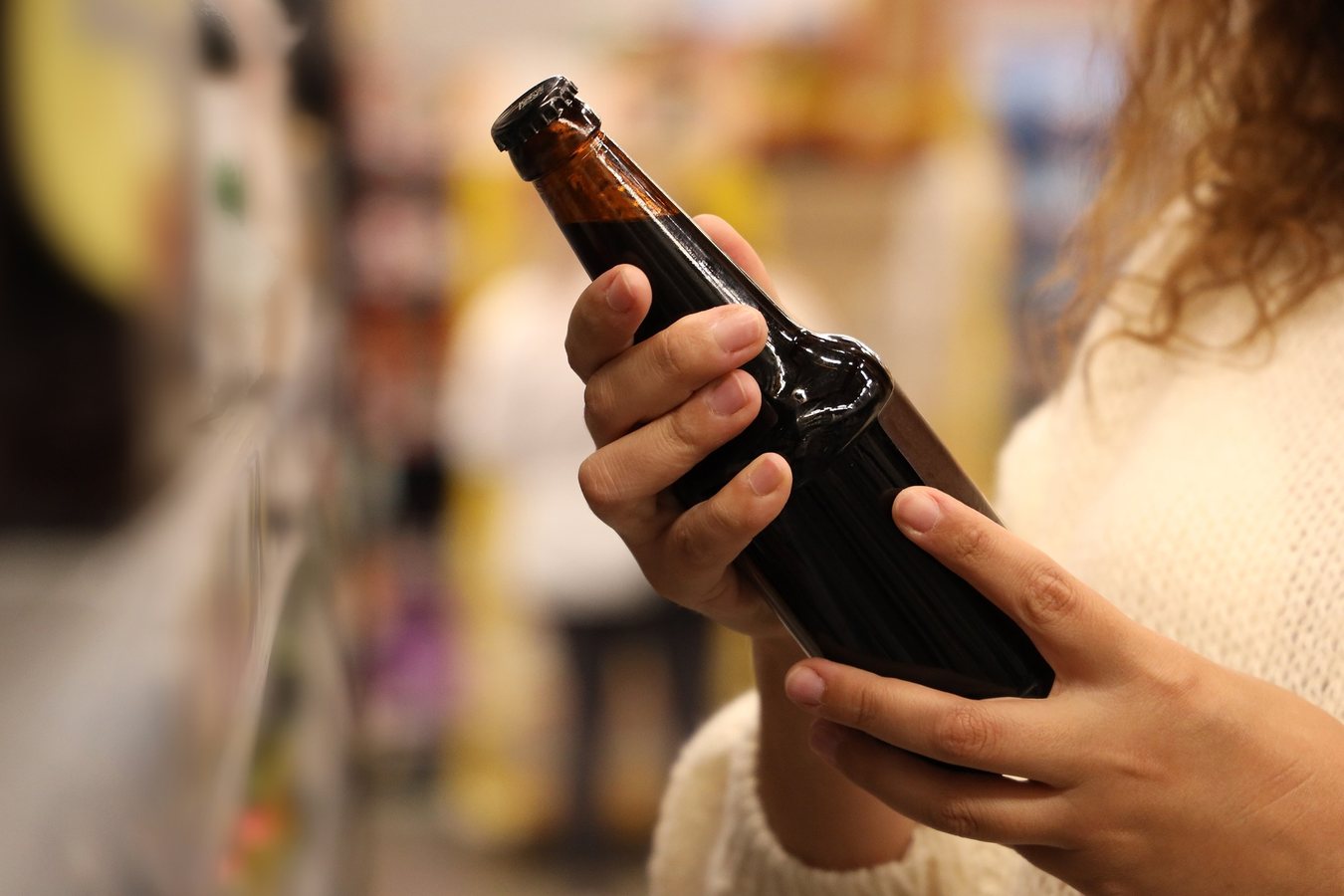
Eurostat data shows Poland among the EU's fastest-growing abstinence rates, with falling excise duty receipts forcing a fiscal rethink.
By Eleanor Ellington · 3 min read
Poland has emerged as one of the European Union's fastest-moving countries on alcohol abstinence, according to the latest Eurostat figures, and the shift is already being felt in the public finances. Excise duty receipts from alcohol have fallen noticeably as a growing share of the adult population turns away from drinking, a trend that carries direct consequences for a budget that has long relied on consumption taxes.
The statistics place Poland near the top of the EU ranking for the speed at which abstention is rising. What was once a marginal lifestyle choice has become a measurable demographic movement, spanning age groups and regions, and it is now large enough to register in national tax data rather than merely in survey responses.
The fiscal effect is straightforward. Excise duty on alcohol is levied per unit of pure alcohol, so when volumes sold decline, the Treasury's take declines with them. Unlike value-added tax, which can be partly offset by higher prices, excise revenue is tied to physical consumption. A sustained fall in drinking therefore translates into a structural gap rather than a temporary dip.
Poland is not alone in facing this pressure. Several EU member states have reported flattening or falling alcohol excise receipts as health awareness, stricter drink-driving enforcement and changing social habits reshape consumption. But the pace of change in Poland stands out in the Eurostat comparison, suggesting the country is moving faster than many of its peers.
The implications extend beyond the finance ministry. Alcohol excise has historically been a predictable revenue stream, easy to collect and difficult to avoid. As that base erodes, budget planners face choices that are rarely popular: raising excise rates on remaining drinkers, broadening the tax base elsewhere, or accepting lower revenues and adjusting spending plans accordingly.
There is also an industry dimension. Brewers, distillers, importers and the hospitality sector all depend on volume. A shrinking drinking population compresses domestic sales and increases the importance of export markets, premium products and non-alcoholic alternatives. Some producers have already moved into the low- and no-alcohol segment, which generates sales but contributes far less excise revenue per unit.
For the Treasury, the arithmetic is unforgiving. If abstinence continues to spread at the current pace, alcohol excise will become a progressively smaller contributor to state income, forcing a wider conversation about how Poland funds public services in a country that drinks less than it used to.
8