
Business 120
BYD Plans Three European Assembly Plants and a Battery Factory
In this issue
Business 120
BYD Plans Three European Assembly Plants and a Battery Factory
Culture 126
Low-Mileage 1969 Plymouth Barracuda With Factory 440 V8 Heads to Market
Economy 30
HMRC is writing to low earners about pension top-ups averaging about £70
News 129
Oil Conflicts Disrupt Global Supply as Electric Cars Remain Unaffected
Politics 105
Reform UK's Welsh Leader Dan Thomas Resigns After Arrest on Suspicion of Assault
Sports 240
Manthey Racing Porsche 911 GT3 RS Listed for Sale in Utah
Technology 143
Skoda Kodiaq vRS Proves a Capable Long-Distance Cruiser
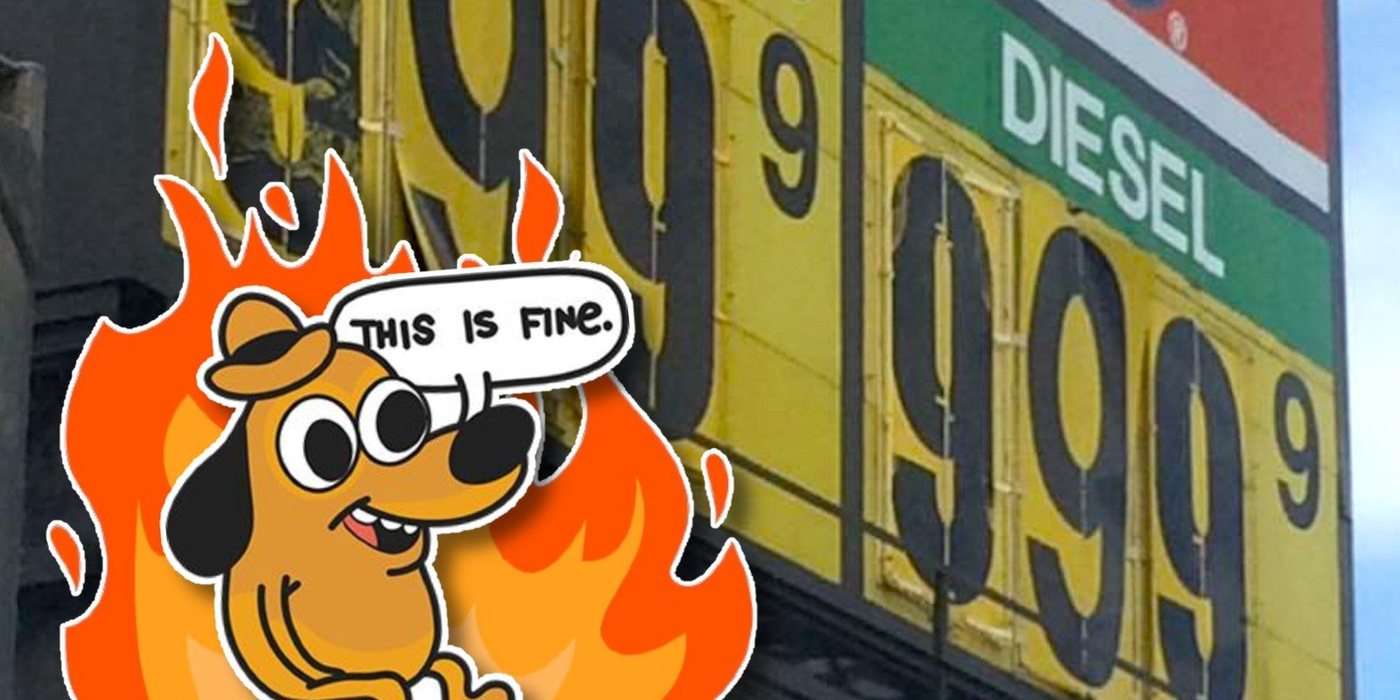
Diesel prices in California have reached the maximum figure that fuel pumps can display, with reports emerging that some filling stations have run out of the fuel entirely.
By Edward Beaumont · 4 min read
Diesel prices in California have climbed to $10 a gallon, the highest figure that many fuel pumps are able to display, as reports emerge that some filling stations have run out of the fuel altogether. The development marks a significant escalation in the state's fuel supply crisis and raises fresh questions about the resilience of energy distribution networks in the world's fifth-largest economy.
Last week, a number of diesel stations across California appeared on social media with their prices pinned at 9.99 — the maximum number the pumps could show. The images, widely shared online, illustrated a market where the cost of diesel had effectively exceeded the capacity of standard forecourt equipment to communicate it. Today, the pictures circulating are different: filling stations that are out of diesel entirely, with pumps closed and signs informing motorists that no supply is available.
The shift from record prices to outright shortages represents a serious challenge for the state's economy. Diesel is the backbone of California's freight and logistics sector, powering the heavy trucks that move goods from the ports of Los Angeles and Long Beach to warehouses, distribution centres and retailers across the western United States. Agriculture, construction and emergency services also depend heavily on the fuel. When diesel becomes scarce, the effects ripple quickly through supply chains, raising the cost of moving goods and threatening delays in deliveries that households and businesses rely on.
California has long had some of the highest fuel prices in the United States, a consequence of the state's unique fuel blend requirements, limited refinery capacity and strict environmental regulations. The state's isolated fuel market means that disruptions — whether from refinery outages, maintenance schedules or logistical constraints — can have an outsized effect on prices compared with other parts of the country. The current situation appears to be the culmination of those pressures, with the retail price of diesel now testing the physical limits of forecourt infrastructure.
The reports of stations running dry are difficult to verify independently, and it remains unclear how widespread the shortages are. Social media posts can amplify isolated incidents, and not every station reporting an outage will be representative of conditions across the state. Nonetheless, the combination of record prices and visible supply gaps is likely to intensify scrutiny of California's energy policy and the state's ability to keep essential fuels flowing to consumers and industry.
For motorists, particularly those driving diesel-powered vehicles, the immediate concern is both cost and availability. For businesses, the worry is continuity. Freight operators working on thin margins may be forced to pass higher fuel costs on to customers, contributing to broader inflationary pressure at a time when households are already stretched. The situation also draws attention to the vulnerability of a fuel market that depends on a relatively small number of refineries and a distribution system with little spare capacity.
Whether the shortages prove temporary or signal a deeper structural problem will depend on how quickly supply can be restored and how the state responds. What is already clear is that diesel at $10 a gallon — and pumps that cannot display a higher number — has become a vivid symbol of the strains facing California's energy market. For a state that prides itself on leading the transition to cleaner transport, the episode underscores the difficult balancing act between ambitious environmental goals and the everyday realities of keeping goods and people moving.