Business 292
Used electric cars are selling faster than petrol and hybrid models
In this issue
Business 292
Used electric cars are selling faster than petrol and hybrid models
Culture 320
Restored 1973 BMW 2002tii offered in New Hampshire after US return from Canada
Economy 47
Three Tankers Reportedly Strike Mines in Strait of Hormuz
News 161
Private parking firms face pressure as UK motorists call for fairer rules
Politics 121
Burnham denies stopping ministers from discussing closer EU ties
Sports 290
Tottenham meet Crystal Palace in Premier League fixture on 31 October
Technology 347
Rivian Delivers Electric Van Update With 30% More Range and AWD
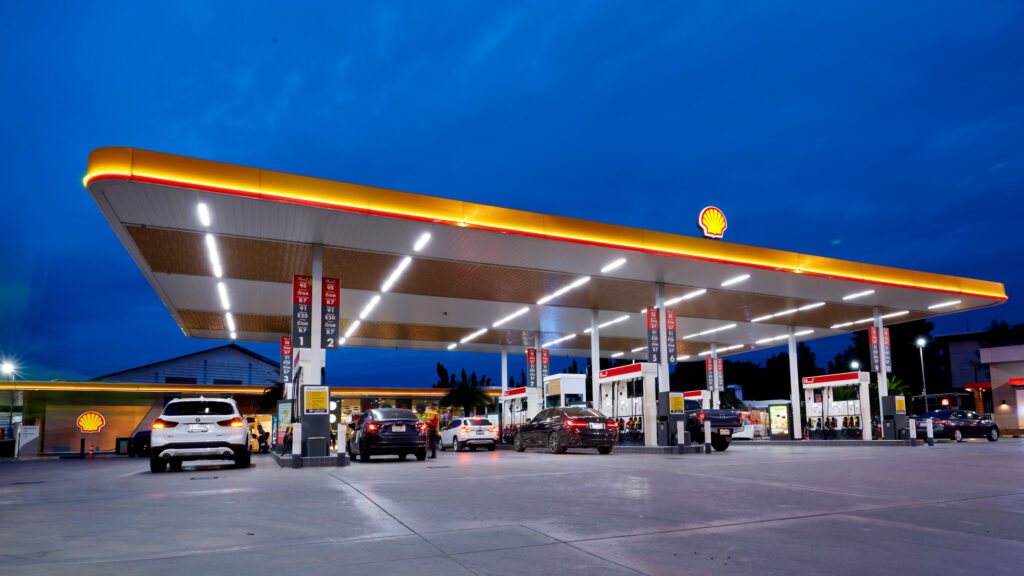
Diesel prices have reached an all-time high of $5.85 per gallon in the US, driven by the ongoing conflict with Iran and supply disruptions. The rising cost of diesel is expected to push up prices for goods across the economy, affecting transport, deliveries, and agriculture.
By Edward Beaumont · 3 min read
Diesel prices have surged to an unprecedented high, with the average cost in the United States reaching $5.85 per gallon last week. The spike, driven by global supply constraints linked to the ongoing conflict with Iran, is sending shockwaves through the economy, raising the cost of transporting goods, agricultural operations, and everyday deliveries.
The record price marks a nearly 56 percent increase since February, when diesel averaged $3.75 per gallon. The last time prices approached this level was in June 2022, at the start of the Russia-Ukraine war, when diesel averaged $5.82 per gallon. Adjusted for inflation, prices were higher during the 2008 financial crisis, when the market price of $4.74 would equate to roughly $7.20 in today's terms.
The surge is being driven by a combination of factors. Renewed attacks in the Middle East have raised concerns about the Strait of Hormuz, a critical chokepoint for fuel shipments. Meanwhile, Russia has extended its ban on diesel exports as Ukrainian drone attacks on oil refineries continue to disrupt supply. These constraints come as the conflict with Iran enters its sixth month, affecting not just diesel but all fuel types, with regular gasoline averaging $4.15 a gallon, up from $2.19 before the war began.
The implications of rising diesel costs extend far beyond the fuel pump. Diesel is the lifeblood of the freight industry, powering the trucks, trains, boats, and delivery vans that move goods across the country and around the world. As transport costs climb, businesses are already passing these expenses on to consumers. The knock-on effect means that everything from ecommerce orders to grocery items is likely to become more expensive, if it has not already.
In the UK, the impact is being felt acutely in agriculture and rural areas. Although the harvest is complete, farmers who rely on subsidised red diesel to prepare for winter are facing an uncharacteristic price spike. The volatility has left many uncertain about when to buy, with prices rising by an astronomical amount in just a few days, according to Alex Harrison, a fuel buyer at Fram Farmers, a not-for-profit farmer-owned co-operative. Speaking to The Guardian, she noted that the latest spike has caught everybody by surprise and hit them quite hard because of its size and timing.
AAA has highlighted that diesel is rising at a more alarming rate than gasoline, underscoring the broader economic strain. With little relief in sight, businesses and consumers alike are bracing for continued price pressure as the conflict and supply disruptions show no signs of abating.
77