Business 291
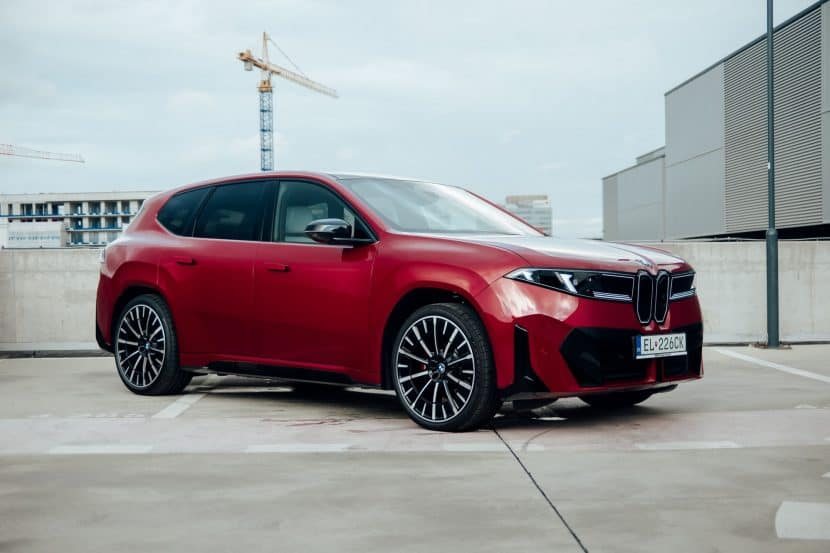
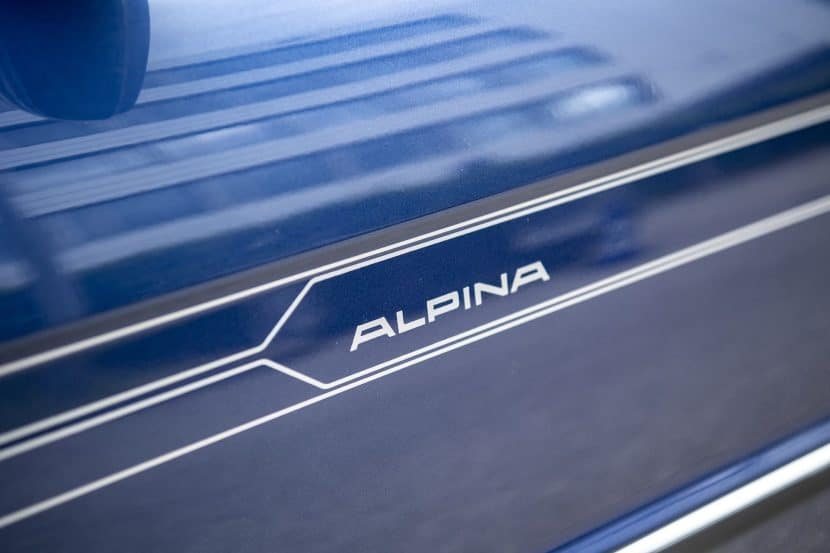
BMW zeigt erstmals Prototyp der neuen ALPINA-7er-Reihe im Erlkönig-Video
In this issue
Business 291
BMW zeigt erstmals Prototyp der neuen ALPINA-7er-Reihe im Erlkönig-Video
Culture 320
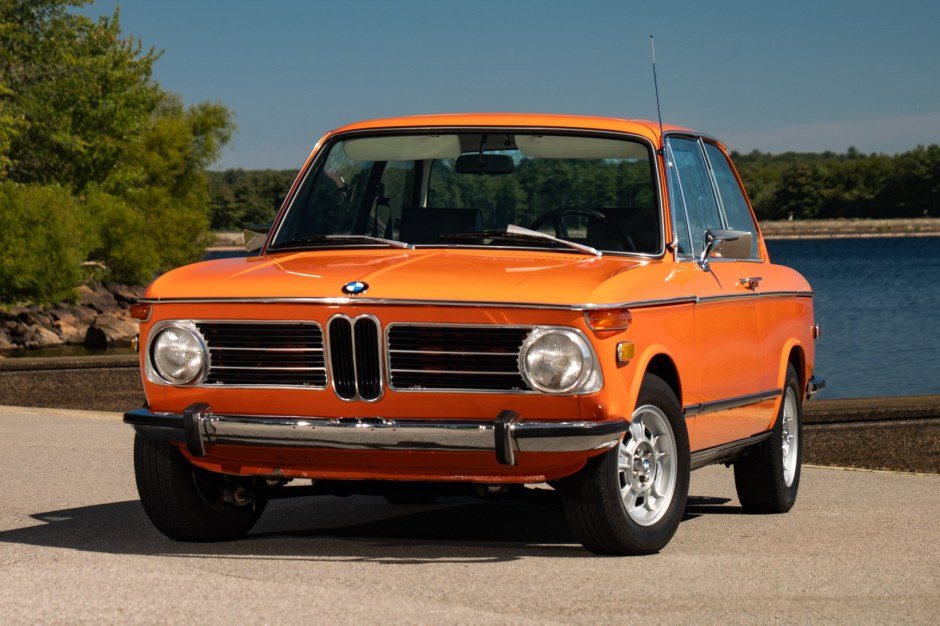
Restored 1973 BMW 2002tii offered in New Hampshire after US return from Canada
Economy 48
Three Tankers Reportedly Strike Mines in Strait of Hormuz
News 161
Private parking firms face pressure as UK motorists call for fairer rules
Politics 121
Burnham denies stopping ministers from discussing closer EU ties
Sports 290
Tottenham meet Crystal Palace in Premier League fixture on 31 October
Technology 347
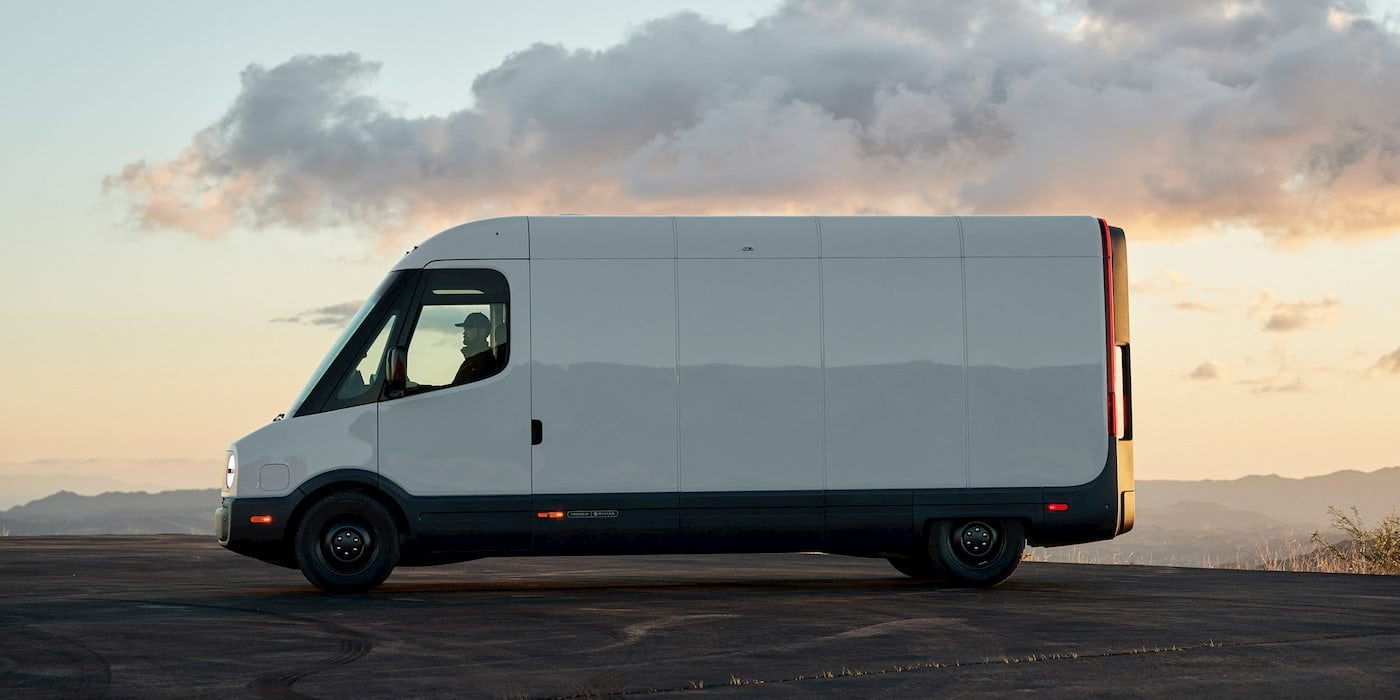
Rivian Delivers Electric Van Update With 30% More Range and AWD

A new study suggests used electric vehicles leave the market more quickly than petrol or hybrid cars, even though they command higher prices. Japanese imports also remain strong in the UK used market.
By George Kensington · 4 min read
Used electric vehicles are changing hands faster than petrol and hybrid cars, according to a recent study, even though they tend to carry higher price tags. The finding points to a used market in which battery-powered models are finding buyers quickly despite their higher cost to purchase.
The study indicates that used EVs are moving off dealer forecourts and private sales listings at a faster rate than conventional combustion-engined cars or hybrids. The gap suggests demand for pre-owned electric models is robust, even as buyers weigh the upfront expense against running costs and the questions that still surround battery life. The study's full methodology and specific figures were not included in the material available for this report, so the scale of the difference cannot be quantified here.
The trend sits alongside another segment of the British used car market that is also performing strongly. Cars imported from Japan remain in demand in the UK, with around 40,000 such vehicles brought in each year. Their appeal rests on right-hand drive configuration, EU type approval and, according to market observers, generally good condition. Owners and dealers attribute that condition to the greater care Japanese motorists take of their cars and to the fact that most Japanese roads are not salted in winter. Cars there also face Shaken, the strict annual roadworthiness test, which can cost as much as £2,000 a time and often leads motorists to retire their vehicles early.
Neil Howe, owner of Winterstoke Motor Company near Bristol, is a board member of the British Independent Motor Trade Association, which supports dealers and consumers importing and buying ex-Japan cars. He travels frequently to Japan, where he sources cars directly, and has been following the market for several years. He said the weak yen is drawing more traders into the market, increasing competition and pushing up vehicle prices. Shipping pressures linked to the US-Iran war and strong demand from Chinese carmakers have also raised transport costs.
Despite those cost increases, Howe described the market as thriving. "Demand exceeds supply," he said. The cars arriving in the UK are getting younger, and the range of brands and models has widened to include Land Rovers and Minis alongside the Volvos, Audis, Volkswagens and BMWs that have long been imported. He noted that cars priced above £15,000 are slightly cheaper than equivalent UK-market vehicles, while lower-priced examples sell at roughly the same level because they are in better condition.
For buyers, Howe said digital service histories are straightforward to check, while mileage, theft and finance records can be confirmed through the trade association, which offers a money-back guarantee. He added that, provided a car has been registered correctly, arranging finance and insurance is generally uncomplicated. Taken together, the two trends show a used market in which demand for newer, well-maintained vehicles is outpacing supply, whether the cars are electric or imported from Japan.
3