
Business 268
KTM X-Bow gets 592bhp in first update under new owner
In this issue
Business 268
KTM X-Bow gets 592bhp in first update under new owner
Culture 307
Nearly new 2012 Mercedes-Benz SLS AMG Roadster offered in Texas with 17,000 miles
Economy 44
Poland's pensioner numbers to rise in 2027 as contributions fall short
News 160
Russian-linked tanker Myra sends distress signal off Ireland
Politics 119
Vance blames «tinpot dictators» for gas price spikes and draws online backlash
Sports 286
Aston Villa and Manchester City meet in Premier League fixture
Technology 338
Cities covering Flock surveillance cameras with garbage bags after cancelling con…
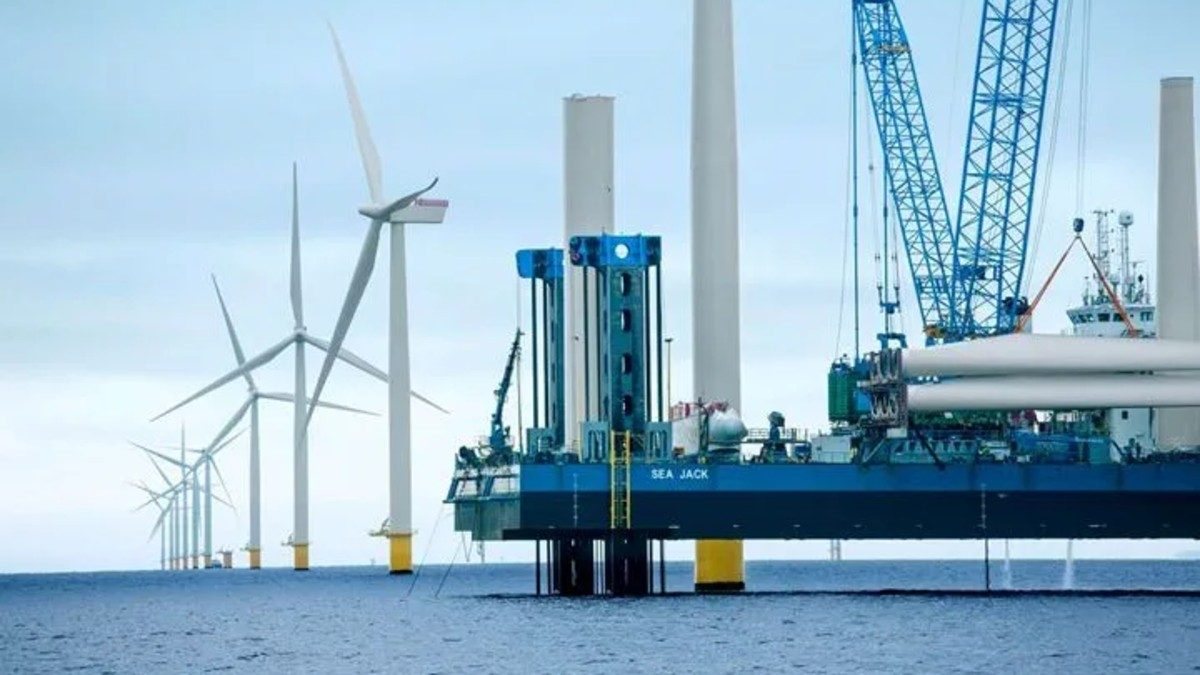
Renewable sources are projected to rise from 37.7% to 40.4% of total US generating capacity over the coming year, passing natural gas and far outstripping nuclear, according to new federal data.
By Eleanor Ellington · 3 min read
Renewable energy sources in the United States are on course to overtake natural gas as a share of total generating capacity within the next year, according to new data from the US Energy Information Administration. The EIA figures, released and reviewed by the SUN DAY Campaign, show renewables rising from 37.7% of total capacity to 40.4% over the coming year, a gain that would move them ahead of gas and well clear of nuclear.
The comparison with nuclear is the most striking part of the projection. The source material describes renewables outstripping nuclear capacity fivefold, a margin that reflects how much of the new build is concentrated in wind, solar and other renewable technologies rather than in conventional thermal plants or reactors. Nuclear has remained a steady but largely static component of the American grid, while renewable installations have been added at a much faster pace.
The shift is part of a longer trend. Renewables have been expanding steadily in recent years, supported by falling costs for solar panels and wind turbines and by a growing number of utility-scale projects. Natural gas has been the country's largest source of generating capacity for much of the past decade, and it is now set to be displaced in that ranking by the surge in renewable additions. The change does not mean gas-fired plants are being switched off in large numbers; it reflects where the bulk of new capacity is being built.
The SUN DAY Campaign, which has tracked federal energy statistics and advocates for solar energy, reviewed the EIA data and highlighted the milestone. The EIA, which publishes official energy statistics for the federal government, is the primary source for the projections. Capacity refers to the maximum amount of electricity a power source can produce, which is distinct from the amount of electricity each source actually generates over time. That distinction matters: a source can hold a large share of capacity while producing less electricity across a year, depending on how often it runs.
The figures also point to a broader transition in how American electricity is produced. Industry analysts have long expected renewables to lead new capacity additions, and the EIA data suggests that trend is now translating into a clear change in the overall mix. For the grid operators, utilities and developers involved, the projection signals where investment and connection queues are heading over the next twelve months.
Whether the projected figures are fully realised will depend on the pace of construction, the timing of grid connections and the policy conditions that shape project economics. The 40.4% share is a forecast for the coming year rather than a completed outcome, and it is the scale of additions already in progress that gives the projection its weight.
5