Business 262
Microsoft offers voluntary buyouts to up to 60,000 staff
In this issue
Business 262
Microsoft offers voluntary buyouts to up to 60,000 staff
Culture 299
Коллекция руководств и каталогов Porsche 356 и 911 выставлена без резервной цены
Economy 42
Electric driving is cheaper, but the savings depend on one factor
News 160
Russian-linked tanker Myra sends distress signal off Ireland
Politics 118
Cabinet ministers back Burnham’s call for EU free movement debate
Sports 286
Aston Villa and Manchester City meet in Premier League fixture
Technology 333
New BMW iX3 struggles in moose test at speeds above 73 km/h
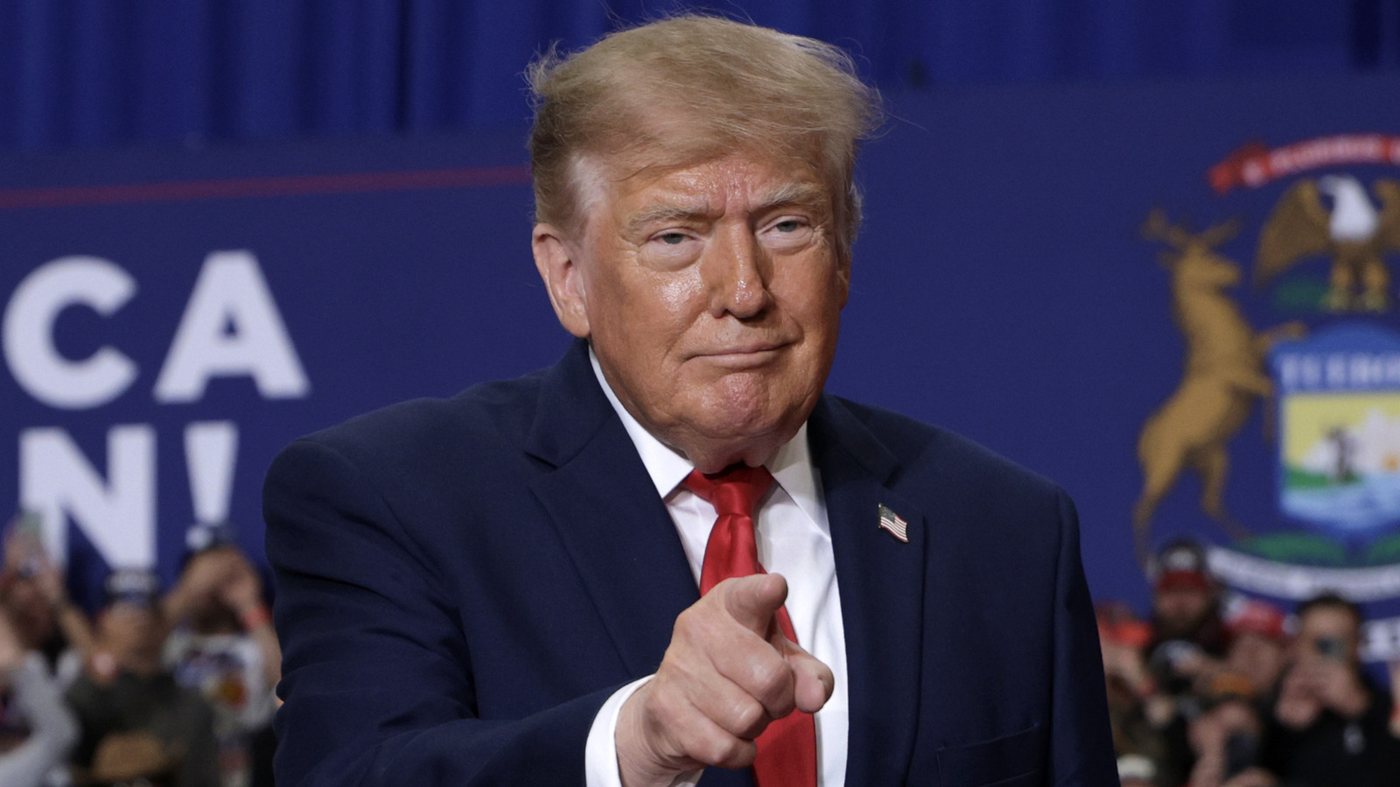
President Donald Trump has said the United States is earning hundreds of billions of dollars from rising fuel prices, even as motorists pay more for petrol and diesel.
By Edward Beaumont · 3 min read
President Donald Trump has claimed that the United States is collecting hundreds of billions of dollars from rising fuel prices, even as motorists face higher costs at the pump. Speaking to a crowd, Trump said "our country" was benefiting from the increases in gas and diesel costs.
The remarks come at a time when the price of petrol and diesel has continued to climb. For drivers, the rise translates directly into higher everyday expenses, from commuting to the cost of moving goods by road. Trump's comments framed the higher prices as a source of national income rather than as a burden on households.
The claim highlights a tension that runs through energy politics. Fuel price increases can boost the revenues of oil producers and the wider energy sector, while squeezing consumers who have little choice but to keep buying fuel. Such swings are closely watched by economists, because fuel costs feed into broader inflation and can affect household budgets across the whole economy.
The source material does not set out the detailed figures or methodology behind the "hundreds of billions" estimate, and it does not give a breakdown of how those sums would be calculated or where they would be received. Without that detail, the scale of the figure stands as a claim made in a speech rather than a documented total, and it is not possible to say which companies, sectors or government accounts it would cover.
The episode also raises the question of who ultimately benefits from higher pump prices. Companies that sell fuel and the producers that supply it can see higher receipts in such periods, while consumers absorb the increase directly. Whether any of the additional revenue reaches the public in a lasting form, rather than remaining with industry and the state, is not addressed in the remarks themselves.
For readers, the central point is the gap between the headline earnings of the energy industry and the pressure felt at the pump. The speech presented that gap as evidence of national gain, but the source material offers no independent assessment of the claim, no response from oil companies and no indication of how long the price rises are expected to last.
2