Business 261
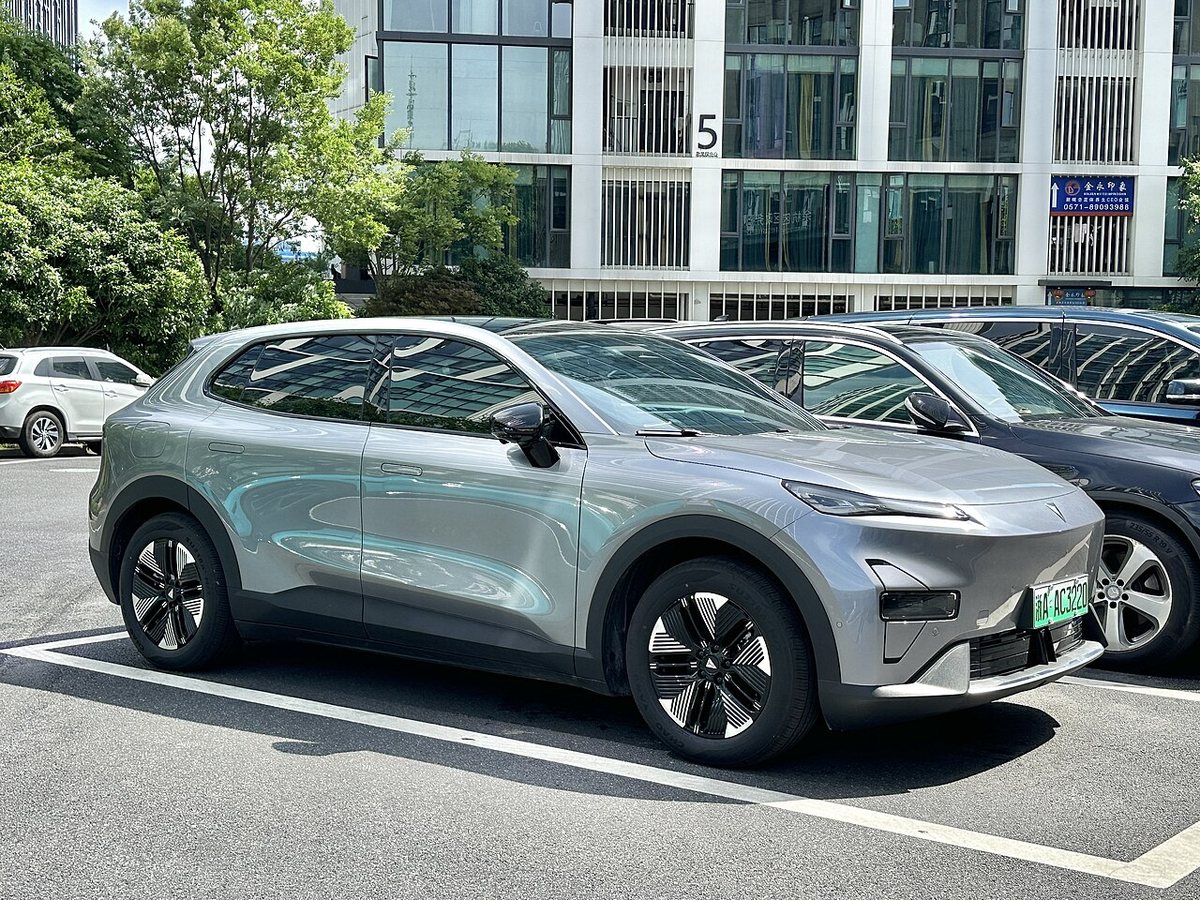
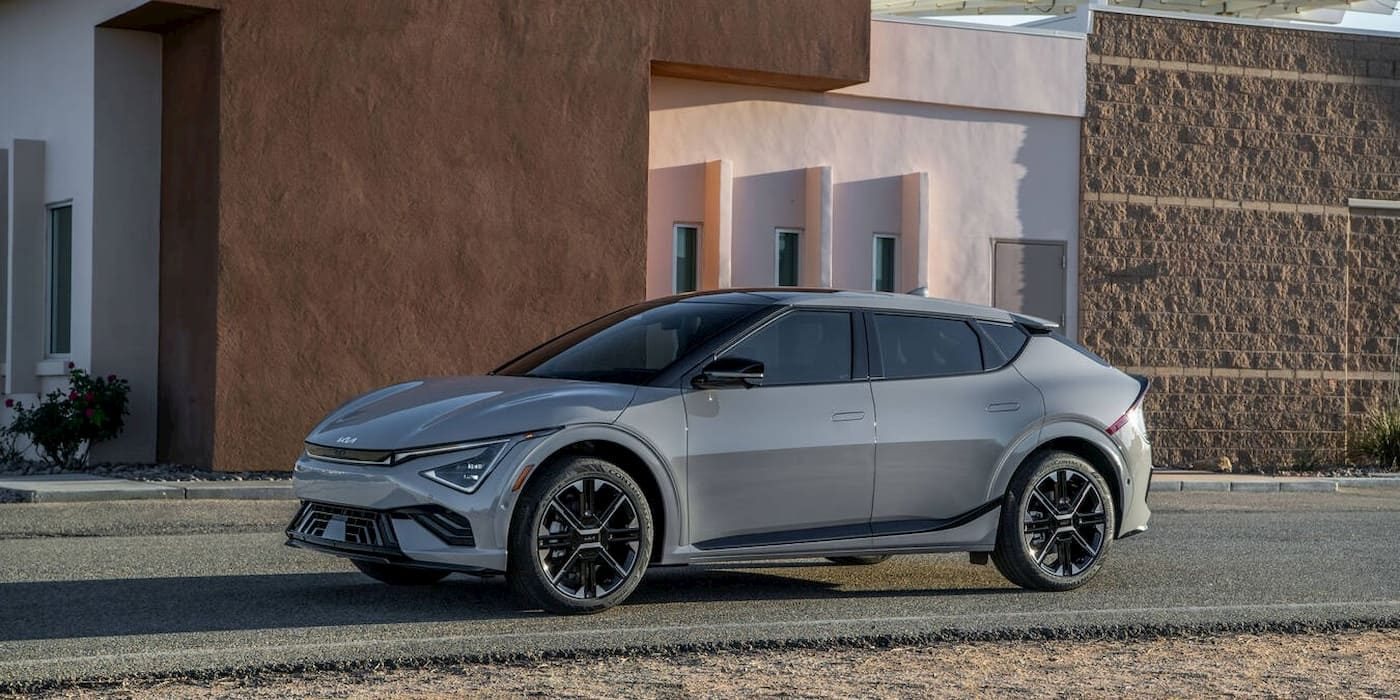
Kia prices 2027 EV6 from about $38,000, above new EV3
In this issue
Business 261
Kia prices 2027 EV6 from about $38,000, above new EV3
Culture 298
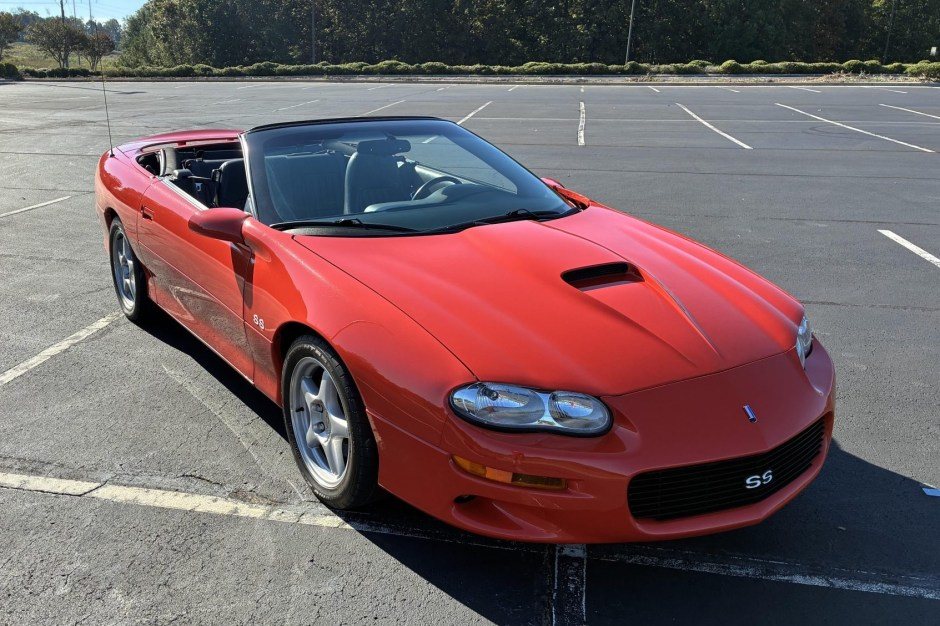
Модифицированный Chevrolet Camaro SS 1999 года выставлен на продажу с механическо…
Economy 42
Electric driving is cheaper, but the savings depend on one factor
News 160
Russian-linked tanker Myra sends distress signal off Ireland
Politics 118
Cabinet ministers back Burnham’s call for EU free movement debate
Sports 286
Aston Villa and Manchester City meet in Premier League fixture
Technology 332
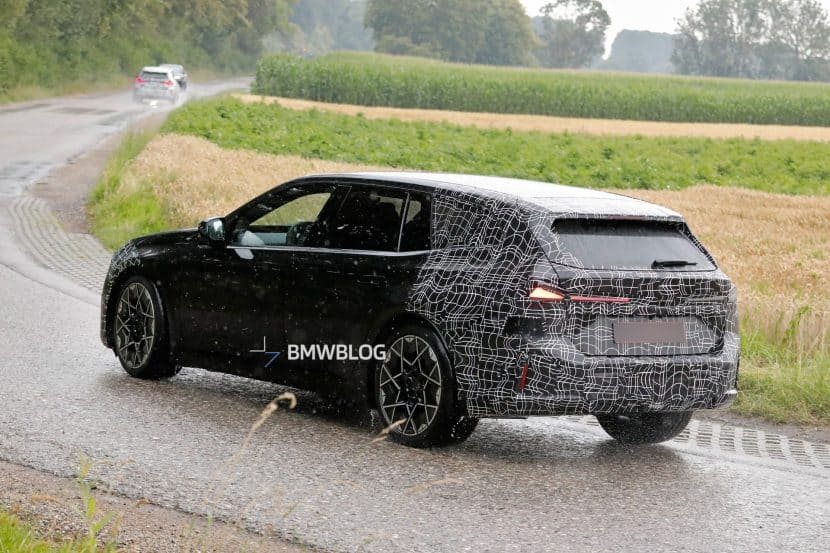
BMW erprobt elektrischen 3er Touring auf dem Nürburgring
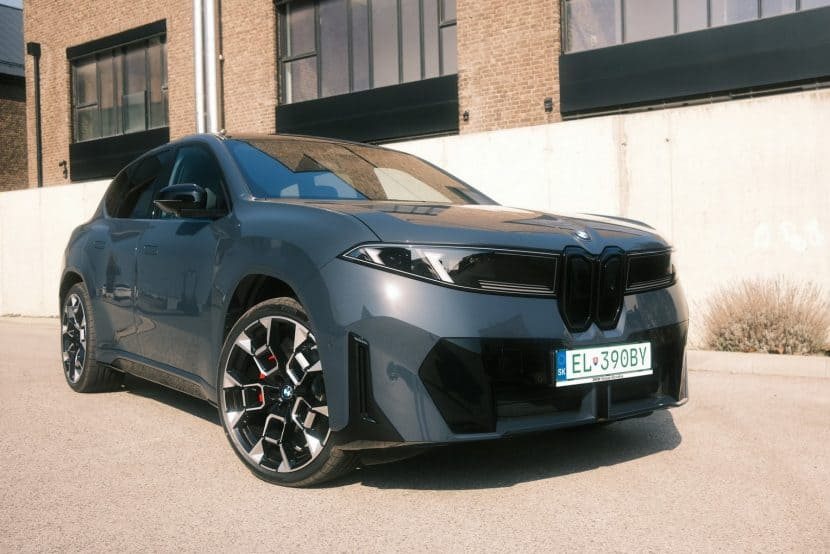
The second-generation BMW iX3 matched the Porsche Macan in a slalom test but could not complete the more demanding moose test above 73 km/h, according to a Spanish tester's assessment of the 50 xDrive with optional 20-inch wheels.
By George Kensington · 4 min read
The second-generation BMW iX3 has produced mixed results in the moose test, the sudden evasive-manoeuvre exercise that many carmakers treat as a benchmark of handling. In a test carried out by the Spanish channel km77, the electric SUV matched the Porsche Macan's time in the slalom but struggled to complete the harder manoeuvre at speeds above 73 km/h (45 mph).
The vehicle tested was the iX3 50 xDrive, specified with the M Sport Package and 20-inch wheels. The car carried roughly €20,000 of optional equipment, bringing its price to just under €72,000. The tester suggested that the larger optional wheels fitted with Pirelli tyres may have influenced the outcome, a point that is worth bearing in mind when weighing the result.
In the initial slalom, the iX3 impressed with its controlled body movements. Despite its size and substantial battery pack, the car kept body roll in check, the rear axle showed no excessive or abrupt reactions, and the steering allowed the driver to guide the vehicle accurately through the course. The stopwatch supported those impressions: the iX3 completed the test in 22.7 seconds, matching the second-generation Porsche Macan, which has slightly less power. That placed the BMW among the quickest vehicles the channel had tested, just one-tenth of a second behind the electric Mercedes GLC.
The 50 xDrive carries a large 108.7-kWh battery pack, and the tester noted that 20-inch wheels are not the most obvious choice for maximising efficiency or ride comfort. The slalom result nonetheless suggests that BMW has managed the weight of the electric SUV well, at least in this exercise.
The moose test proved less favourable. In the first attempt, the iX3 responded to the initial steering input but was slow to change direction quickly enough to enter the second lane. The tester attributed this to understeer, with the front tyres failing to provide enough grip to follow the intended path. After several attempts, the BMW could not complete the manoeuvre correctly at speeds above 73 km/h.
Set against its combustion-engined sibling, the X3 (G45), the iX3 still came out ahead in both measured speed and the tester's impressions. It also matched the speed of the electric GLC. The tester highlighted one difference between the electric and petrol models: the iX3 shows understeer only at much higher speeds, and the effect is considerably less pronounced, which makes it easier to hold the intended line and complete the manoeuvre.
Despite the disappointing moose-test figure, the tester concluded that the iX3 inspired confidence behind the wheel. Its behaviour remained predictable, without sudden or unexpected reactions that could catch a driver off guard. The overall picture is of solid directional stability combined with a handling limit that becomes apparent only during particularly demanding evasive manoeuvres.
Results from a single test car should not be treated as definitive, particularly when it is fitted with optional wheels and tyres. The recently revealed iX3 M60 is expected to add a sportier edge to the range, and the next-generation X3 M (ZA5), likely to arrive next year, may prove more interesting still. With sharper chassis tuning and more aggressive suspension, M-tuned derivatives should handle sudden changes of direction better than the standard car did in this test.
Separately, Volkswagen Group China has received a permit to test Level 3 autonomous driving on public roads in Hefei, and says testing is already under way. The permit also covers large-scale driving data collection in the city and forms part of the group's goal of Level 3 technology readiness in China by 2027. The development coincides with the group's first China Technology Day in Hefei.
4