Business 203
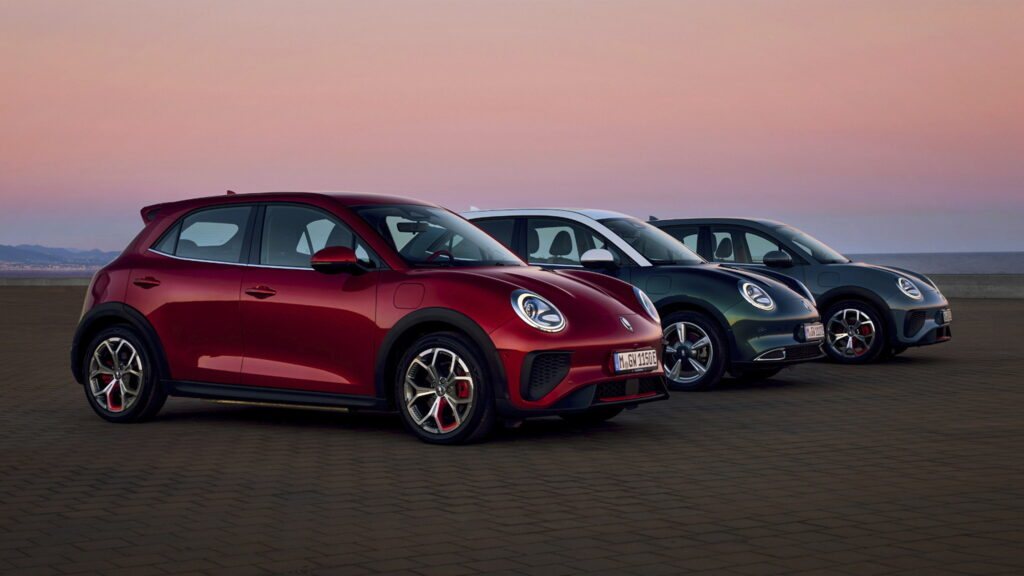
Seven Cars With Lease Deals Under £300 a Month
In this issue
Business 203
Seven Cars With Lease Deals Under £300 a Month
Culture 239
554-Mile 2006 Ford GT Heritage Edition Heads to Auction in Florida
Economy 38
Diesel at Nearly £11 a Gallon Prompts Calls for VAT Cut at the Pumps
News 149
Weekly Exercise Linked to Slower Memory and Movement Decline in Parkinson's Patie…
Politics 111
Trump Names Katie Zacharia as White House Press Secretary
Sports 267
Southampton and Portsmouth Set for Renewed South Coast Meeting
Technology 271
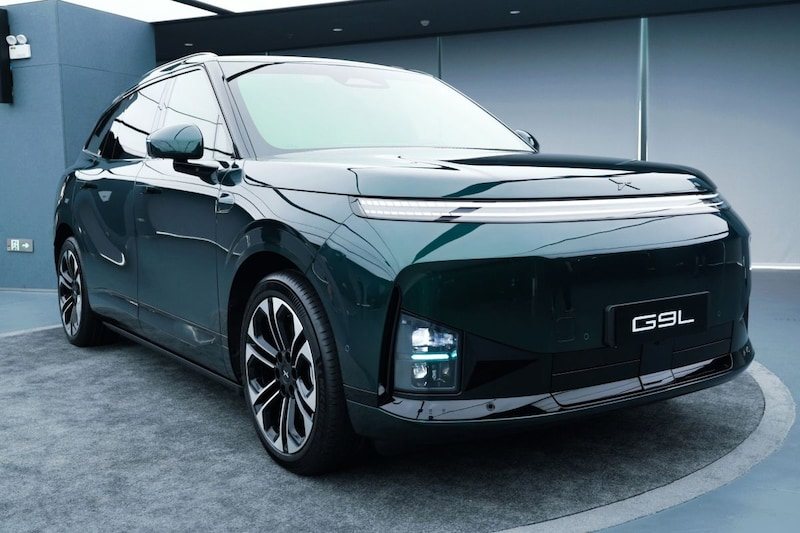
Xpeng G9L: A 5.12-Metre Electric SUV With 591 km Range and 540 kW Charging
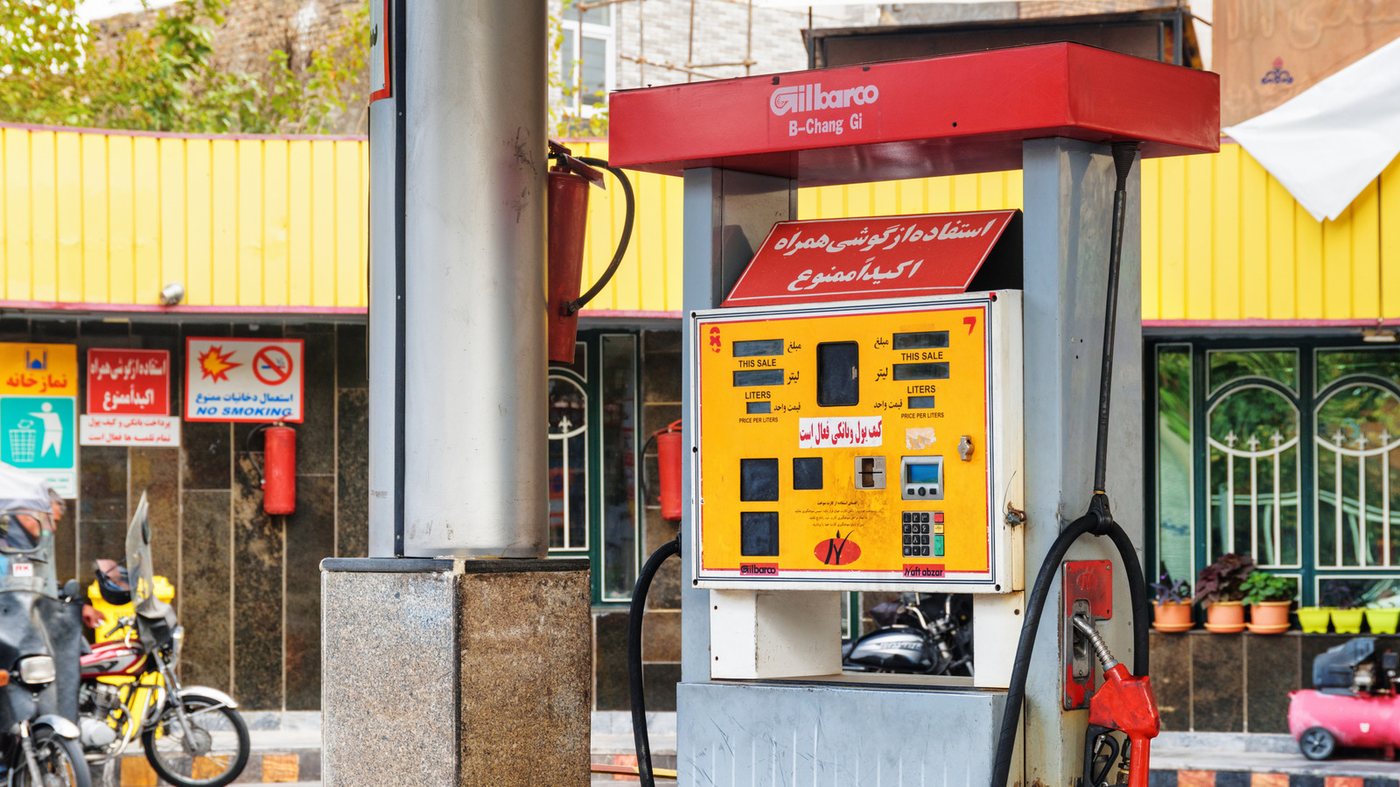
A survey of global pump prices identifies the nations where motorists pay less than $2 a gallon, driven by subsidies, state oil wealth and low taxation rather than market forces.
By George Kensington · 5 min read
Motorists in a handful of countries are still filling their tanks for less than $2 a gallon, a price that would be unthinkable in Britain or most of Western Europe, where fuel duty and VAT push pump prices far higher. The gap between these markets and the rest of the world is not explained by cheaper crude alone. It is the product of deliberate government policy, state ownership of energy resources and tax regimes that treat cheap fuel as a social contract rather than a revenue stream.
The countries that consistently appear at the bottom of global pump-price rankings fall into two broad groups. The first is the oil and gas exporters of the Gulf, where petrol is sold at a fraction of the international market rate. Saudi Arabia, Kuwait, Bahrain, Qatar and the United Arab Emirates all keep domestic prices artificially low, using their vast hydrocarbon reserves to shield citizens from global volatility. In several of these states, a gallon of petrol costs less than a bottle of water, a comparison that has long been used to illustrate the scale of the subsidy.
The second group is made up of countries with heavy state subsidies but far smaller energy reserves. Venezuela has for years recorded some of the lowest pump prices on earth, a legacy of its socialist-era subsidy programme that has survived despite the country's broader economic collapse. Iran, Libya and Algeria operate similar systems, where fuel is treated as a basic entitlement and the cost of importing or refining it is absorbed by the state budget. Turkmenistan and Kazakhstan, both rich in gas, also appear regularly among the cheapest markets.
What unites these countries is not geology alone but the political decision to keep prices down. In most cases, the subsidy is defended as a way of sharing national wealth, calming public discontent or supporting industries that depend on cheap transport. The economic cost, however, is substantial. Subsidised fuel encourages wasteful consumption, discourages investment in public transport and drains state finances that could otherwise fund healthcare, education or infrastructure.
Reform is politically dangerous. When governments have attempted to cut subsidies, as Nigeria and Ecuador have done in recent years, the result has often been widespread protest and rapid reversals. Fuel prices are among the most visible prices in any economy, and voters notice them immediately. That makes cheap petrol one of the hardest policies for any government to unwind, even when the fiscal case for doing so is overwhelming.
For British drivers, the contrast is stark. UK pump prices are dominated by fuel duty and VAT, which together account for a large share of what motorists pay at the forecourt. Successive governments have frozen fuel duty for more than a decade, but the underlying tax burden remains far higher than in the subsidised states. The result is that a gallon of petrol in Britain can cost three or four times what it does in Kuwait or Iran.
The cheap-fuel club is not static. Falling oil revenues, rising domestic demand and pressure from international lenders have pushed several countries to phase out subsidies gradually. Saudi Arabia and the UAE have both raised domestic prices in recent years, though they remain far below global averages. Analysts expect that trend to continue as governments seek to diversify their economies away from hydrocarbons and reduce the burden on state budgets.
For now, however, the list of countries selling petrol for under $2 a gallon remains a reminder that pump prices are a political choice as much as an economic one. Where governments decide that cheap fuel matters more than tax revenue, motorists pay less. Where they decide the opposite, they pay more. The difference between the two is measured not in barrels but in ballots.
7