Business 193
Jaguar Type 01 Debuts as Brand Bets on Electric Luxury
In this issue
Business 193
Jaguar Type 01 Debuts as Brand Bets on Electric Luxury
Culture 213
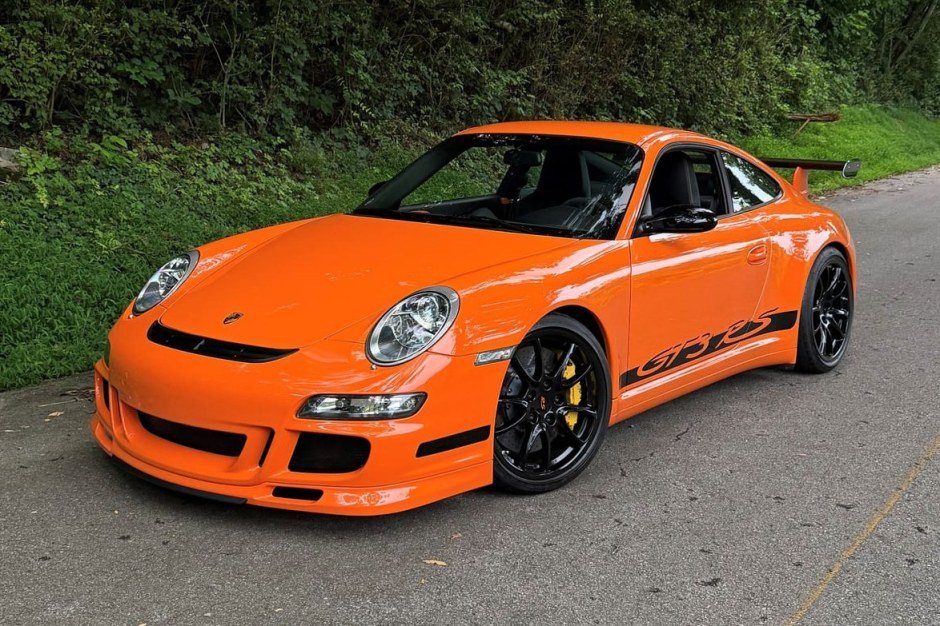
2008 Porsche 911 GT3 RS with 8k Miles Heads to Auction at No Reserve
Economy 36
G7 Agrees to Release 100 Million Barrels of Diesel and Crude Oil to Ease Price Su…
News 147
Texas Insurance Fraudster Sentenced to 13 Years and Ordered to Forfeit 90-Car Col…
Politics 110
Trump Urges Republicans to Vote by Mail After Years of Criticising the Practice
Sports 261
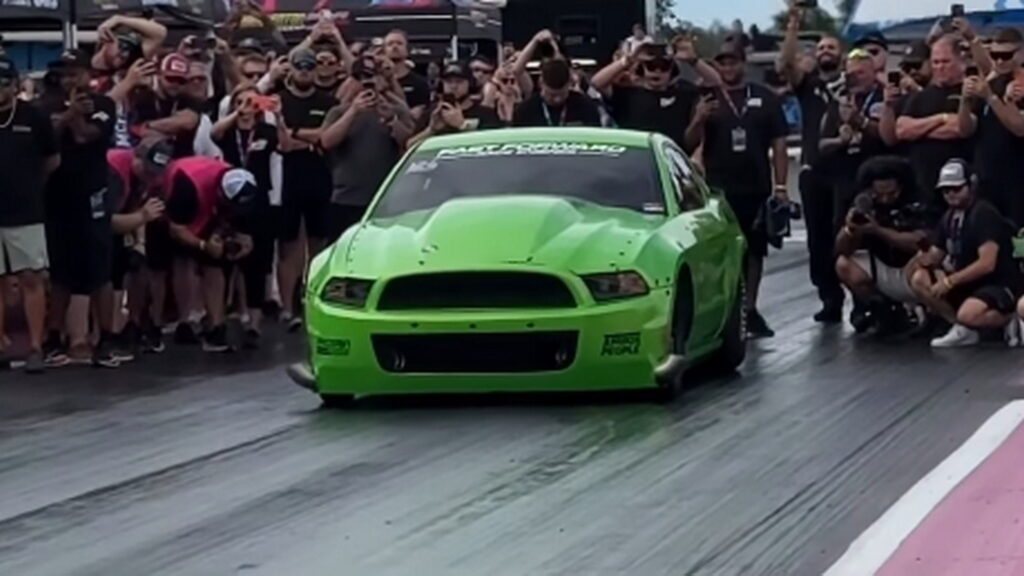
Mustang Sets Stick-Shift Record Then Crashes at 228 MPH
Technology 239
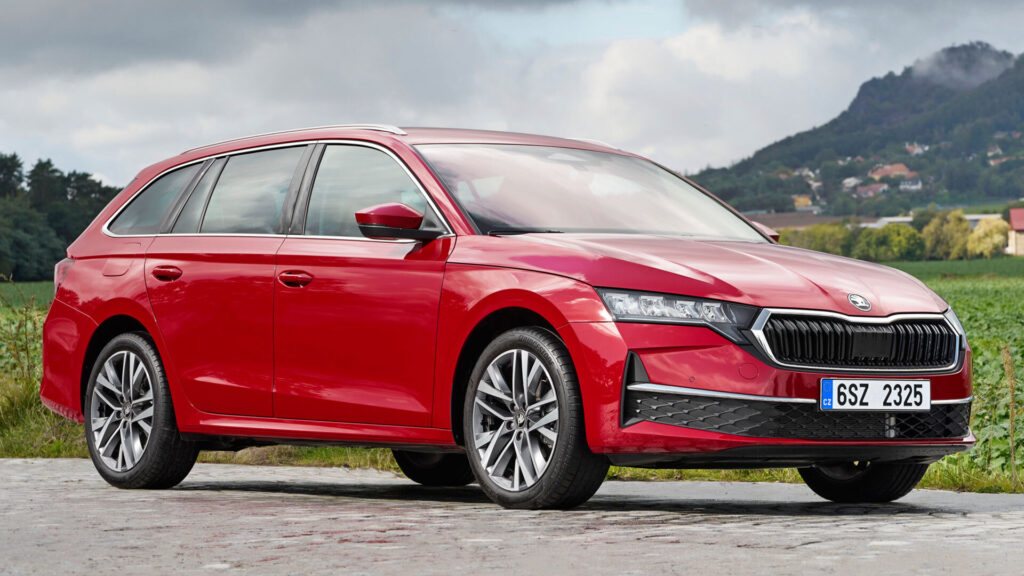
Skoda Launches First Full Hybrid in Octavia Line
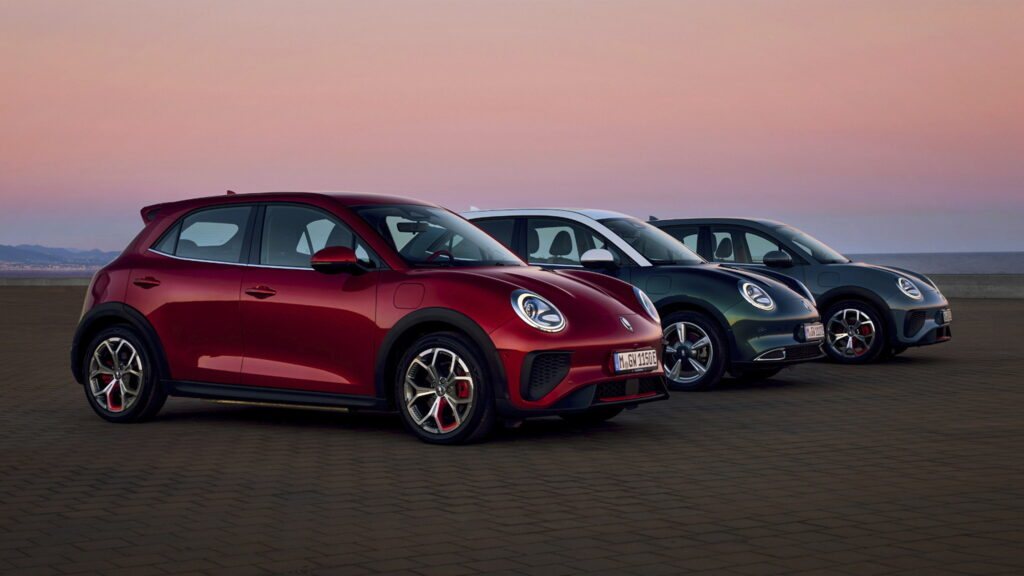
Russian demand for electric and hybrid cars has surged after Ukrainian strikes on refineries caused petrol shortages, pushing EV adoption above US levels despite weak charging infrastructure and rising prices.
By George Kensington · 3 min read
Russia's electric vehicle market has overtaken the United States in adoption share, driven by fuel shortages caused by Ukrainian attacks on oil refineries that have left petrol and diesel scarce across the country. The shift marks an unexpected acceleration in EV uptake for a nation where cheap fuel had long discouraged investment in charging infrastructure.
Figures from the Russian Ministry of Industry and Trade show that 83,000 electric and hybrid cars were sold between January and August this year, nearly double the 43,000 sold in the same period of 2025. The adoption rate is now almost as high as in the US, according to the ministry data.
The surge has been heavily influenced by Ukraine's strikes on Russian oil facilities. Last Friday, only 46 per cent of petrol stations had fuel stocks available, with just half of stations in the capital able to dispense petrol. In other major cities, that figure fell as low as 27 per cent.
In response to mounting queues, the Russian government has allowed lower-quality gasoline and diesel to be sold. However, the side effect is that some cars, particularly more modern machines, cannot handle the lower grade of fuel and are breaking down.
The sudden demand has driven up prices and depleted inventory. Sergei Tselikov, a Russian auto industry expert, told The New York Times that he quickly bought a GWM Ora 03 GT after seeing drivers queue for hours to get fuel. Even though he acted fast, the price had already increased by $2,000. Many EV dealerships have now been cleared out, while second-hand EV listings are few and far between.
Ironically, the EV boom has also increased wait times at public chargers. Buyers who wanted to avoid long fuel lines may now find themselves in similar, albeit shorter, queues waiting to recharge. The country's geography has compounded the problem: large cities lie many miles apart, and demand was previously too low to justify a proper charging network. In the capital, government incentives have helped raise the number of EV chargers from 1,500 in 2022 to 8,000 today.
Most legacy automakers exited the Russian market after the invasion of Ukraine, leaving thousands of dealerships and local assembly plants empty. Chinese manufacturers have moved quickly to fill the void, capitalising on reduced competition and spare manufacturing capacity.
Globally, the trend extends beyond Russia. Sales of electric cars have risen in more than 90 countries this year, and EVs are on track to account for a record 29 per cent of all new car purchases in 2026, partly influenced by the Iran conflict.
8