Business 193
Jaguar Type 01 Debuts as Brand Bets on Electric Luxury
In this issue
Business 193
Jaguar Type 01 Debuts as Brand Bets on Electric Luxury
Culture 213
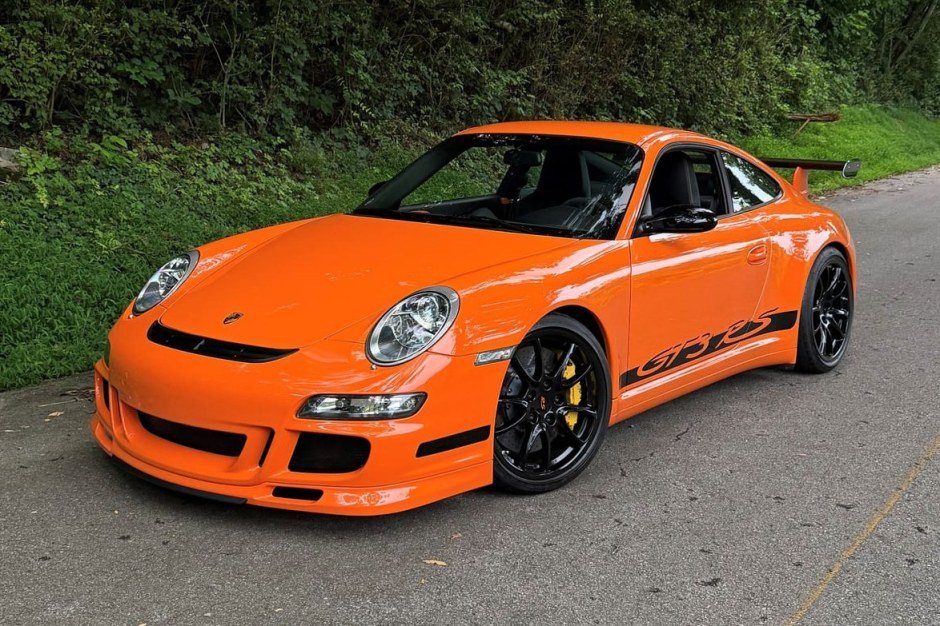
2008 Porsche 911 GT3 RS with 8k Miles Heads to Auction at No Reserve
Economy 36
G7 Agrees to Release 100 Million Barrels of Diesel and Crude Oil to Ease Price Su…
News 146
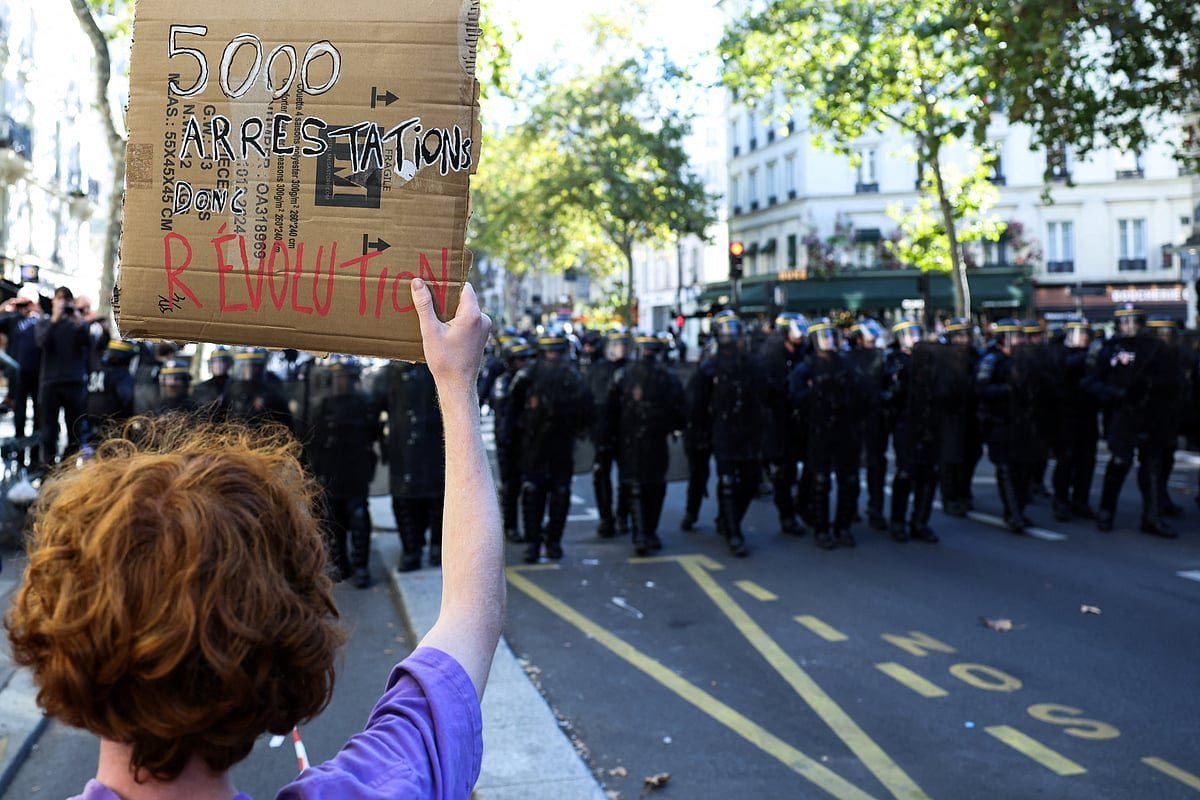
French School Protests Escalate as Tens of Thousands Demand Better Education
Politics 110
Trump Urges Republicans to Vote by Mail After Years of Criticising the Practice
Sports 261
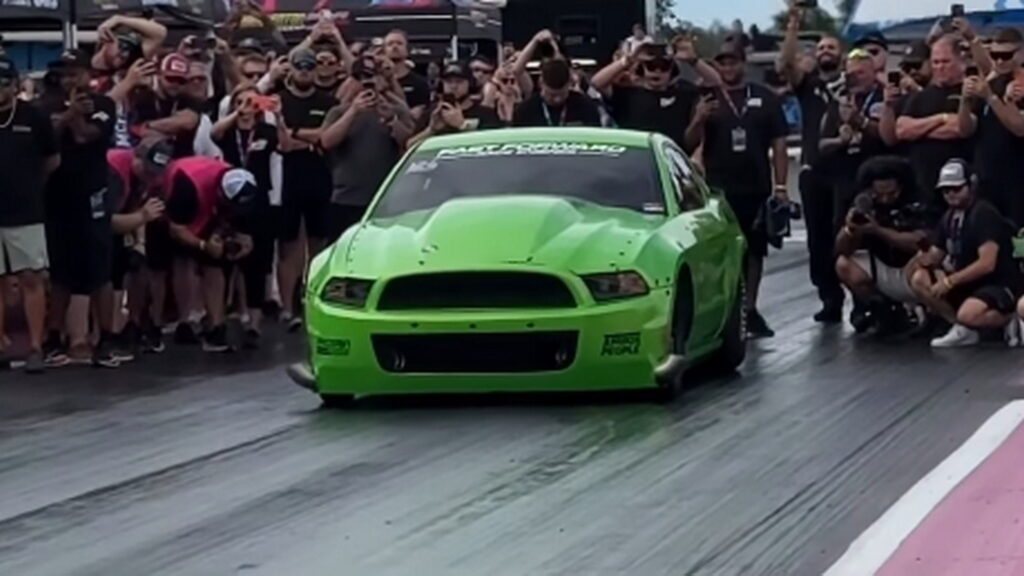
Mustang Sets Stick-Shift Record Then Crashes at 228 MPH
Technology 238
BMW Teases First Electric iX4 Ahead of Imminent Debut

Clayton Lloyd Iley of Stephenville, Texas, received 160 months in federal prison for wire fraud and aggravated identity theft after running a fake insurance and defence loan scheme. He must forfeit more than 90 vehicles, including Ferraris, Lamborghinis and Maseratis, which will be auctioned to fund restitution.
By Edward Beaumont · 3 min read
A Texas businessman who funded a fleet of exotic cars through insurance fraud and identity theft has been sentenced to more than 13 years in federal prison and ordered to give up the vehicles. Clayton Lloyd Iley, 41, of Stephenville, received a 160-month sentence on 1 October for wire fraud and aggravated identity theft, according to the U.S. Attorney’s Office for the Northern District of Texas.
Iley pleaded guilty on 17 June and agreed to forfeit more than 90 vehicles that prosecutors say were bought with the proceeds of his crimes. The collection includes a 2012 Lamborghini Aventador, a 2015 Huracan, 2016 and 2018 Ferrari 488s, a 2014 Dodge SRT Viper, a 2021 Porsche Taycan and several Maserati MC20s. Less glamorous models such as a Toyota Tundra and a Jeep Gladiator also appear on the forfeiture list, alongside classic Camaros, a Pontiac Firebird, a Trans Am and military vehicles.
The vehicles will be sold at auction to fund restitution for victims, although the Department of Justice has not announced a sale date or an estimated value for the assets. The scale of the forfeiture reflects the breadth of a scheme that prosecutors say stretched across several types of deception.
Iley operated Clayton Texas Legacy Insurance Group in Cross Plains, where he offered auto, home and life insurance policies. According to prosecutors, he accepted premium payments from some customers without opening the policies they had requested, instead diverting the money to himself and to the wider fraud. He also pitched a supposed Department of Defense «Bonded Note» loan programme for private military contractors. The programme did not exist, but Iley collected more than $2 million through that pitch alone.
Beyond the fake insurance and loan operations, Iley used victims’ personal information to obtain credit cards in their names. He then used those cards to cover personal expenses and to buy vehicles. At the same time, he deposited money into a company he controlled and recorded it as business revenue, according to the prosecution. The combination of wire fraud and aggravated identity theft produced the lengthy prison term and the sweeping asset seizure.
The case is a reminder that financial crime often leaves a material trail. In this instance, a garage filled with high-performance machines became central evidence of years of stolen identities and diverted insurance payments. The forfeited cars, from Italian supercars to American military vehicles, will now be converted into restitution for the customers and contractors who were defrauded.
7