
Business 225
Porsche rules out electric supercar citing lack of demand
In this issue
Business 225
Porsche rules out electric supercar citing lack of demand
Culture 267
Kaege Retro's Backdated 1997 Porsche 911 Turbo Heads to Auction
Economy 40
US Petrol Prices Set Record for Longest Stretch Above $4 a Gallon
News 153
Forecasters Issue Winter Snow Verdict for the UK
Politics 115
Burnham launches crackdown on loud music on public transport
Sports 279
Leeds United to Host Manchester United in Premier League Clash
Technology 316
Wrench Game Offers Visual Route Into Car Mechanics
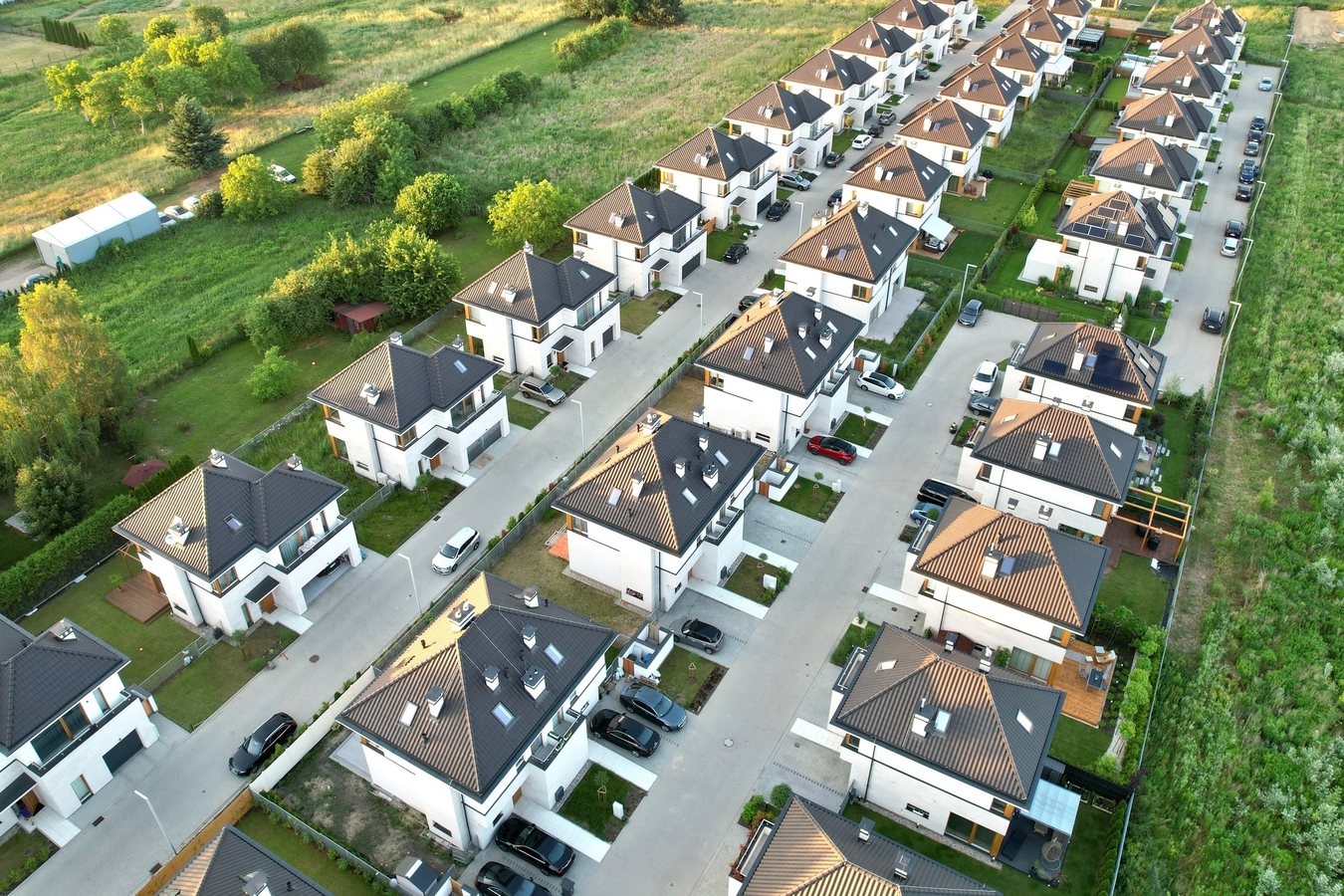
New research by German economists maps the country's income ladder and identifies where, statistically, the upper class begins — a threshold most people underestimate, believing themselves to be middle class.
By Charlotte Redford · 3 min read
Most people in Germany consider themselves middle class, even when their earnings place them among the country's highest earners. New research by German economists has set out to establish where the income ladder actually leads and at what point, according to the data, membership of the upper class begins.
The study addresses a persistent gap between how people perceive their own social position and what their income says about it. According to the findings, a large share of those who would statistically qualify as upper class do not recognise themselves as such, continuing to identify with the middle class long after their earnings have moved them into the top tier.
The research maps household income across the population and identifies the level at which a person crosses into the upper group. The central point is that this threshold is lower than many assume: belonging to the upper class, in statistical terms, does not require the kind of wealth associated with the very richest households. It is a matter of where a person sits on the income distribution, not of exceptional fortune.
That distinction helps explain the widespread misjudgement. People tend to compare themselves with those around them — neighbours, colleagues and peers — rather than with the population as a whole. In affluent circles, a comfortable income can feel ordinary, and the sense of being middle class persists even when the numbers place a household well above the median.
The findings also touch on how class is understood in public debate. Income is only one measure of social position, but it is the one economists can quantify most directly, and it offers a clearer picture of the distribution of earnings than personal impressions do. The study suggests that the boundary between middle and upper class is crossed earlier than most people imagine, and by more households than would describe themselves that way.
For readers interested in ambition, leadership and the changing standards of modern society, the research is a reminder that self-perception and measurable position often diverge. The income ladder is steeper at the top than many assume, and the rungs are closer together than the language of class tends to suggest.
The study does not claim to settle the wider question of what class means in contemporary Germany. It offers a data-driven answer to a narrower question — at what income level a person statistically joins the upper class — and in doing so challenges the instinct of most earners to place themselves in the middle.
9