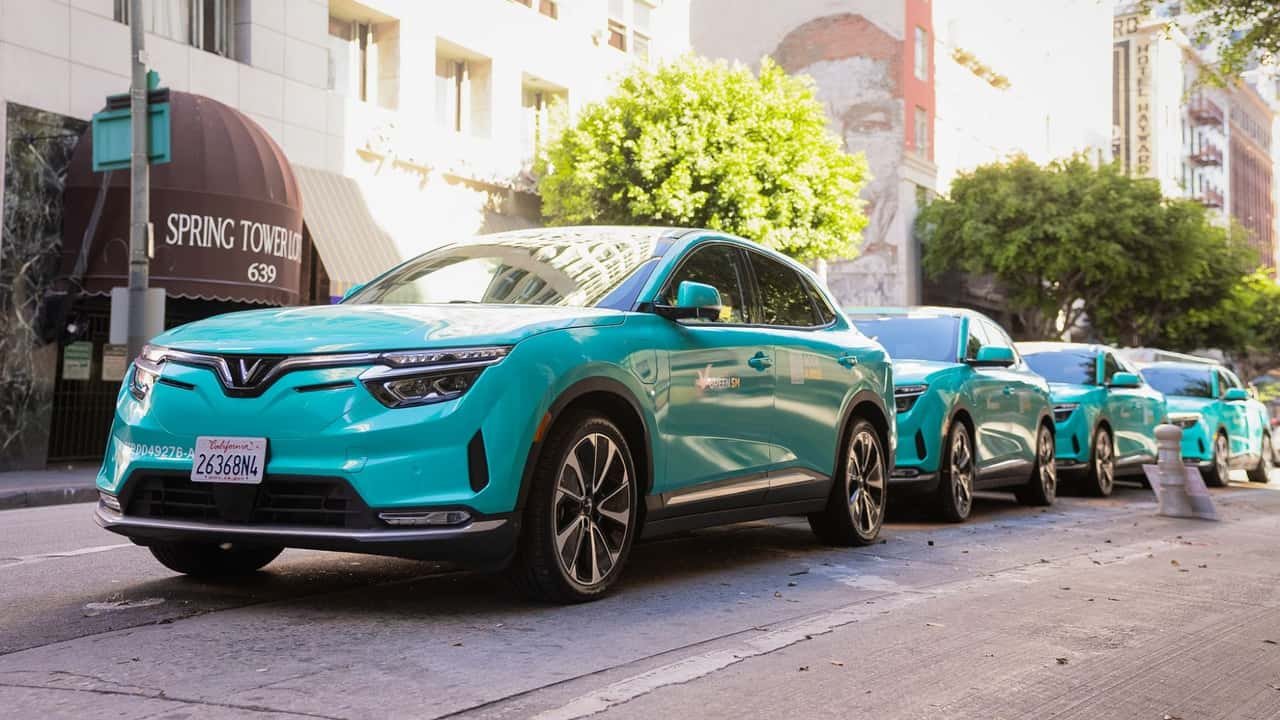
Business 224
VinFast-Backed Green SM Launches 500-Car Electric Ride-Hailing Fleet in Los Angel…
In this issue
Business 224
VinFast-Backed Green SM Launches 500-Car Electric Ride-Hailing Fleet in Los Angel…
Culture 267
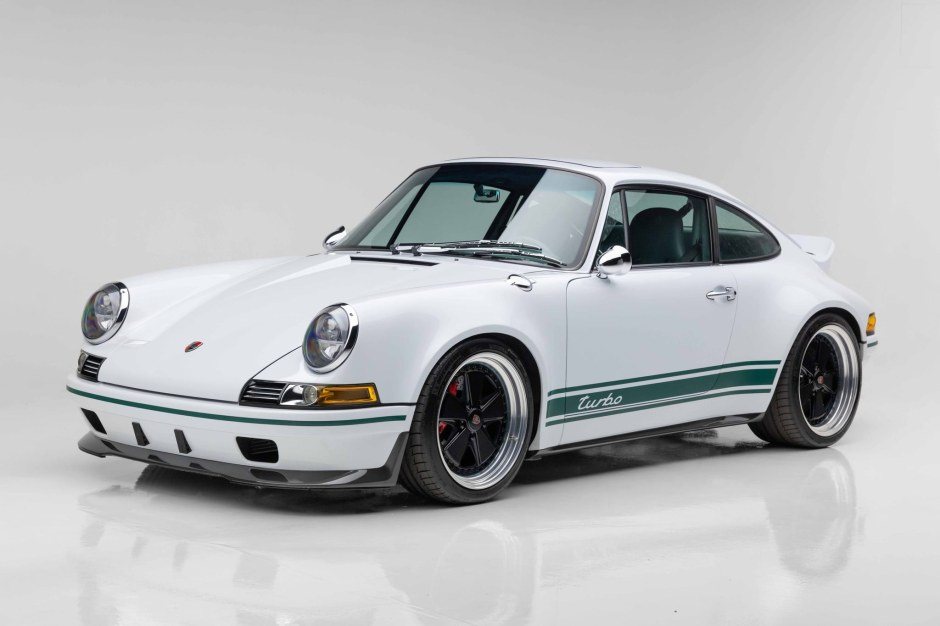
Kaege Retro's Backdated 1997 Porsche 911 Turbo Heads to Auction
Economy 40
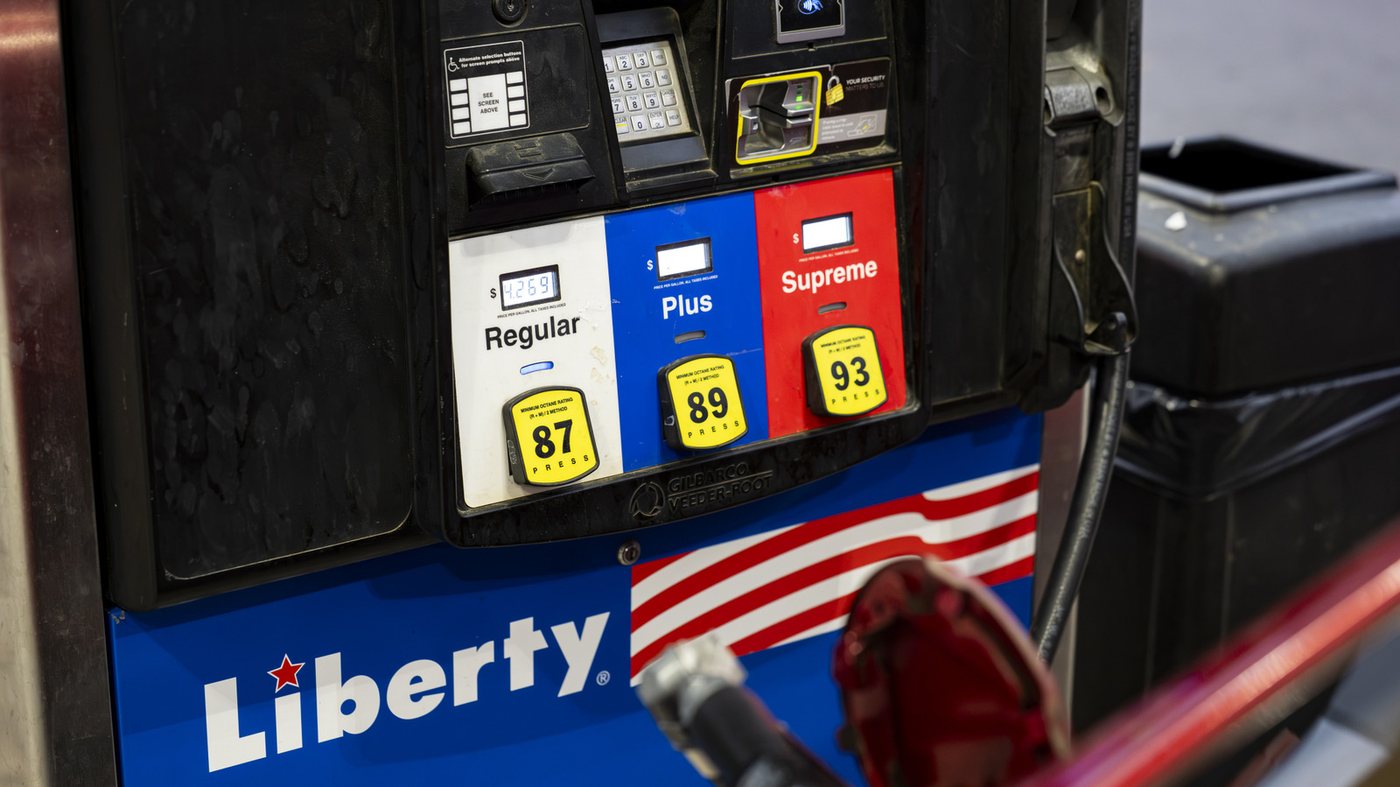
US Petrol Prices Set Record for Longest Stretch Above $4 a Gallon
News 153
Forecasters Issue Winter Snow Verdict for the UK
Politics 115
Burnham launches crackdown on loud music on public transport
Sports 279
Leeds United to Host Manchester United in Premier League Clash
Technology 314
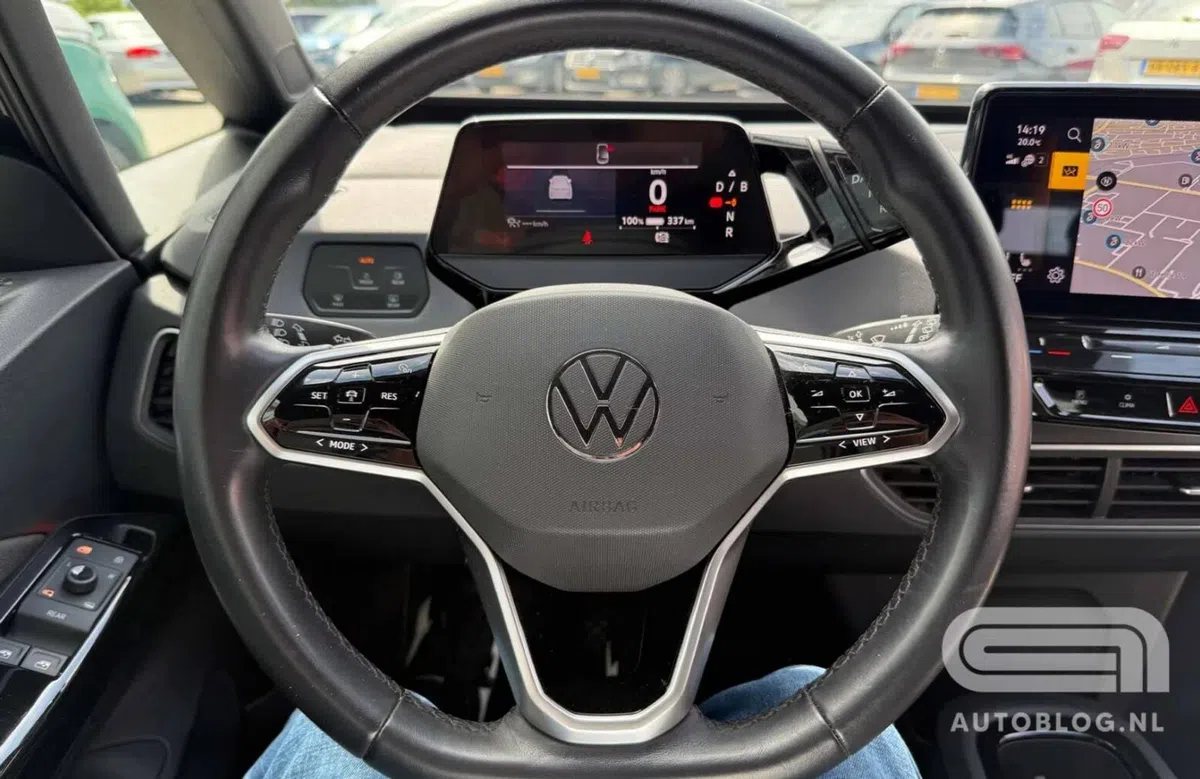
Volkswagen Recalls ID Models Over Fire Risk and Limits Charging to 80 Per Cent
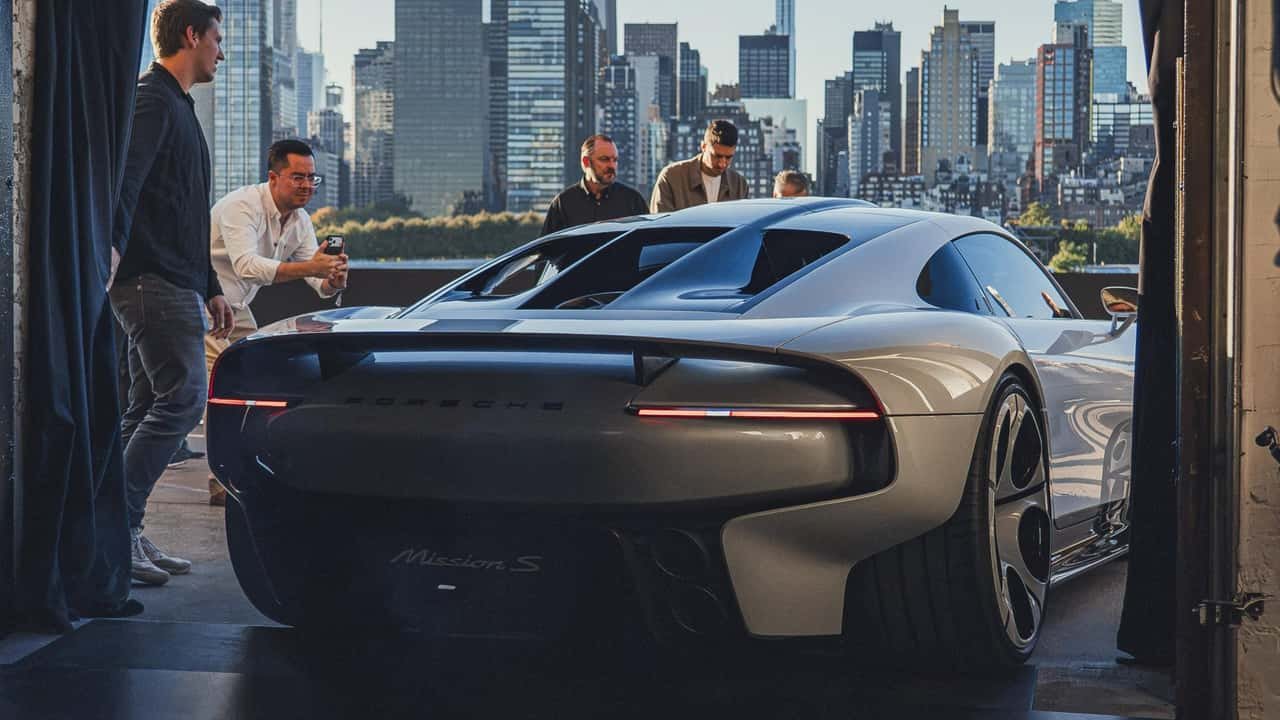
Porsche has said it will not build a fully electric supercar because customers are not asking for one, and its next mid-engined flagship will use combustion or hybrid power instead.
By Charlotte Redford · 4 min read
Porsche has decided against developing a fully electric supercar, saying there is no meaningful customer demand for such a vehicle. The company's next mid-engined flagship will instead rely on combustion power, hybrid assistance, or a combination of the two, according to statements reported by the motoring press.
The decision marks a notable pause in the rush towards electrification at the top of the performance car market. While Porsche has invested heavily in battery-powered models — most visibly the Taycan saloon — its most exclusive and expensive sports cars will remain tied to conventional powertrains for the foreseeable future.
The reasoning is commercial rather than technical. Supercar buyers are a small, highly opinionated group, and Porsche has concluded that the sound, character and mechanical feel of a combustion engine remain central to what they are willing to pay for. An electric flagship would carry enormous development costs without a proven customer base to recover them.
The new mid-engined model is expected to sit above the 911 in Porsche's hierarchy, filling the space long occupied by the 918 Spyder. That car, produced in limited numbers, combined a petrol engine with electric motors and is still regarded as a benchmark for hybrid performance. Its successor will follow a similar philosophy rather than abandoning the combustion engine altogether.
For Porsche, the choice also reflects the wider uncertainty facing the automotive industry. Demand for electric vehicles has grown more slowly than many manufacturers forecast, prompting several brands to revise production plans and extend the life of combustion and hybrid line-ups. At the luxury end of the market, where buyers often own multiple cars and treat them as collectibles, the shift has been even more cautious.
The company has not abandoned electrification. It continues to expand its range of plug-in hybrid models and has committed to battery power across large parts of its portfolio. But the supercar segment occupies a different position: volumes are tiny, prices are high, and the engineering is shaped as much by emotion as by efficiency.
Porsche's stance will be watched closely by rivals. Several manufacturers have launched or announced electric hypercars, often with extraordinary power figures and seven-figure price tags. Whether those cars find enough buyers to justify their development remains an open question, and Porsche's decision suggests the German marque is unwilling to gamble on the answer.
For British buyers and enthusiasts, the news reinforces a broader pattern. The market for high-performance cars in the UK continues to prize driving experience, and hybrid technology offers a way to meet tightening emissions rules without sacrificing the soundtrack and response that define the breed. Porsche's next flagship is likely to be judged on those terms rather than on outright electric range.
The company has not confirmed a launch date or technical specification for the new model. What is clear is that the electric supercar, for now at least, has been taken off Porsche's agenda — not because the technology is unavailable, but because the customers are not asking for it.
10