Business 278
Hyundai cuts Ioniq 6 price to £33,240 after grant and facelift
In this issue
Business 278
Hyundai cuts Ioniq 6 price to £33,240 after grant and facelift
Culture 313
Rare 1974 BMW 2002 Turbo, One of 1,672, Offered in US
Economy 46
Government extends 5p fuel duty cut until July 2027
News 161
Private parking firms face pressure as UK motorists call for fairer rules
Politics 120
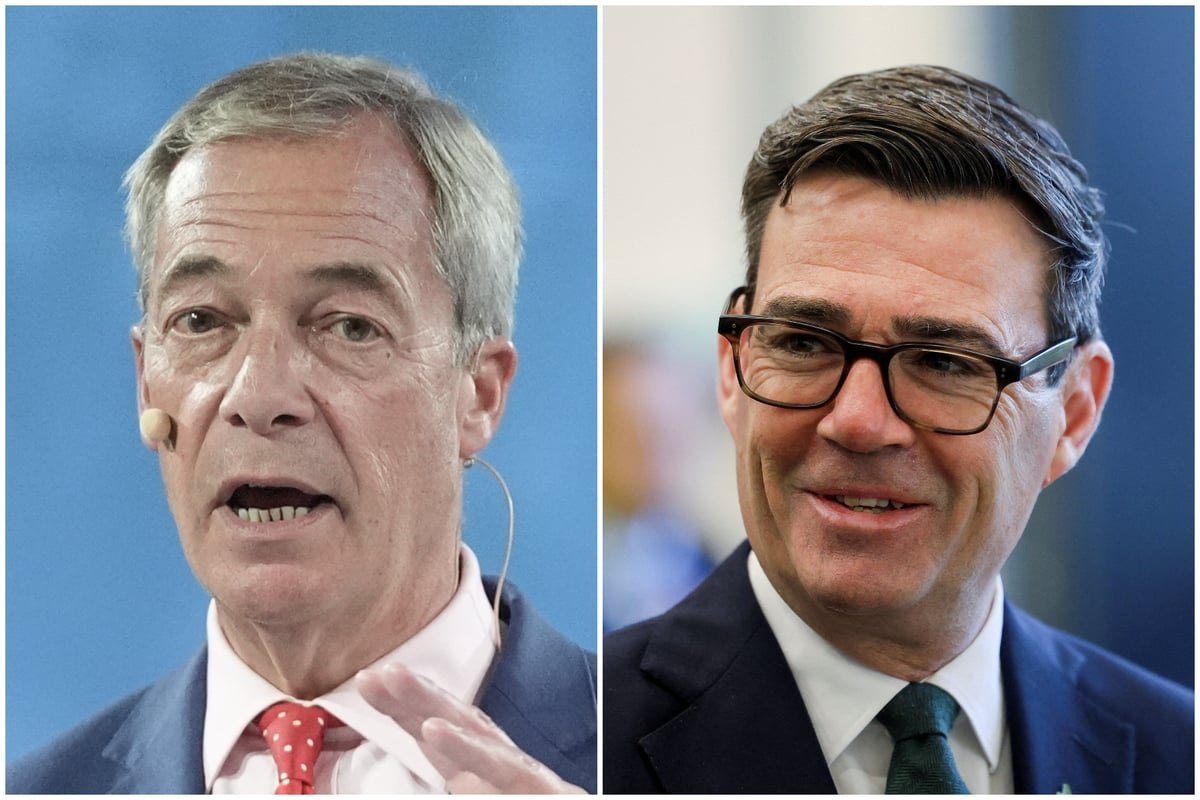
Burnham and Farage clash as UK and EU officials open freedom of movement talks
Sports 287
Alexia Putellas wins third Ballon d'Or four years after her last
Technology 342
Dutch startup Elysian unveils E9X electric airliner concept
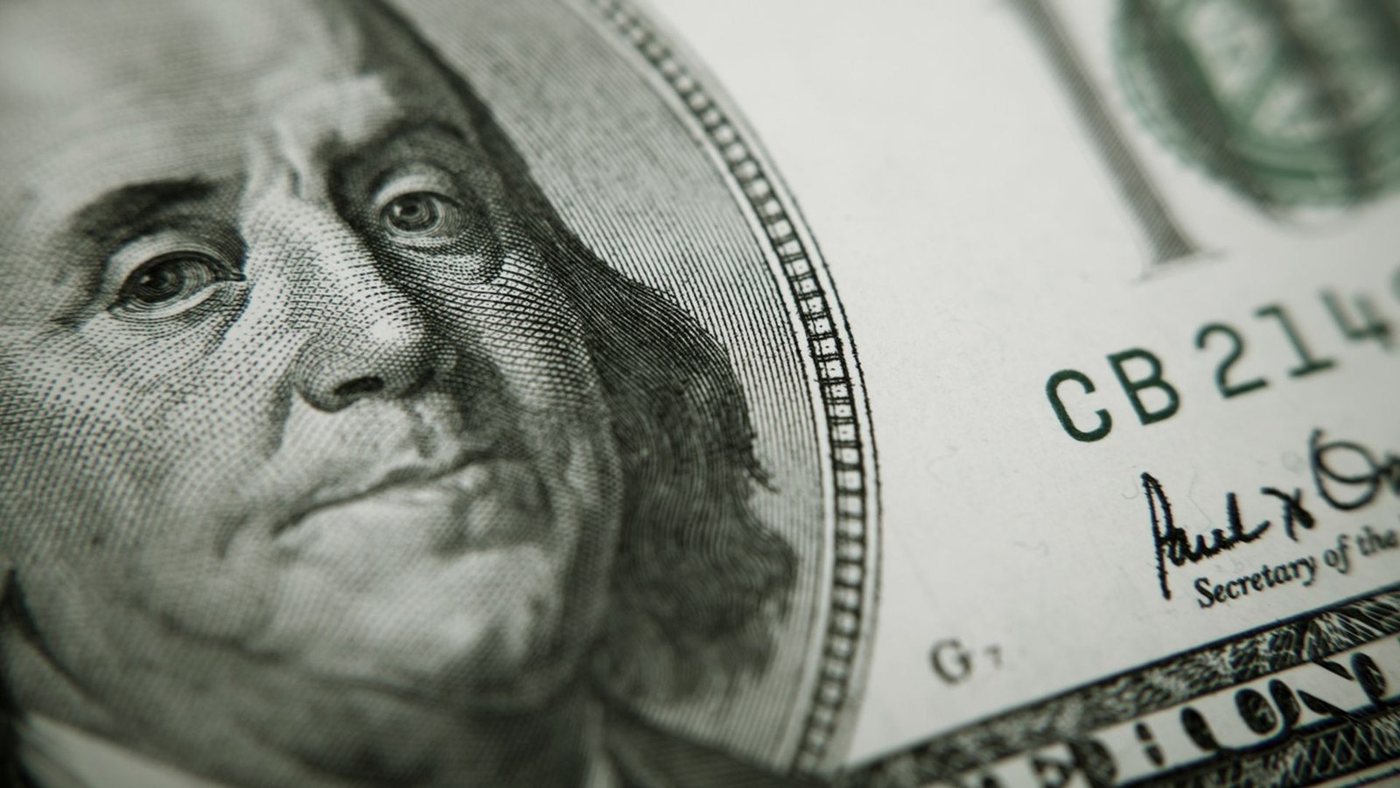
The US Federal Reserve has left interest rates unchanged in its last decision before the midterm elections, as markets turn their attention to a possible rate rise by the Bank of England.
By Eleanor Ellington · 4 min read
The US Federal Reserve has held interest rates steady, marking its final policy decision before the midterm elections. The move comes as investors and households in Britain look ahead to a possible increase in borrowing costs from the Bank of England.
The decision was announced late on Tuesday, 28 October, and was widely reported by UK and international outlets. Sky News framed the Fed's pause against the backdrop of a Bank of England verdict that many analysts expect to be closely watched. The Guardian described the hold as the central bank's last move before voters go to the polls, a point that has drawn attention because the Federal Reserve is generally seen as operating independently of electoral politics. The Guardian's coverage presented the decision primarily in terms of its timing rather than its detailed reasoning, which is why the wider market reaction has become a focus of attention.
For UK readers, the significance lies in the link between the two central banks. When the Federal Reserve sets its benchmark rate, the effects are felt across global markets, influencing currency values, bond yields and the cost of credit far beyond the United States. A divergence between the Fed's stance and that of the Bank of England can shift capital flows and alter the pricing of mortgages, business loans and savings products in Britain. Borrowers with variable-rate deals and savers watching returns on deposit accounts are therefore affected by decisions taken on both sides of the Atlantic.
BBC coverage of the broader picture has focused on what is happening with US interest rates more generally, setting out how recent policy has been shaped by inflation expectations and borrowing conditions. Those reports stress that the Fed's current position reflects its assessment of price pressures and economic growth, though the detailed reasoning will be scrutinised in the coming days as economists and policymakers digest the statement and any accompanying remarks.
Attention now turns to the Bank of England, whose forthcoming verdict is being treated as a key test for British monetary policy. Markets have been weighing the prospect of a rate increase, and the outcome is expected to shape sentiment across the London stock market. Interest-rate-sensitive sectors such as banking, property and housebuilding tend to respond quickly to central bank signals, and sterling is likely to move in response to whatever the Bank of England decides and how it frames its outlook.
Anyone searching for the latest on the stock market today will find that the Fed's hold has become the immediate reference point for traders. Until the Bank of England announces its decision, the direction of UK equities and sterling is likely to remain tied to how investors interpret the two central banks' messages together. The coming days will show whether the Fed's pause and the Bank of England's verdict point in the same direction, or whether they open a gap that shapes borrowing costs and market sentiment on both sides of the Atlantic.
7