Business 274
Tesla begins hiring in Vietnam to challenge VinFast
In this issue
Business 274
Tesla begins hiring in Vietnam to challenge VinFast
Culture 310
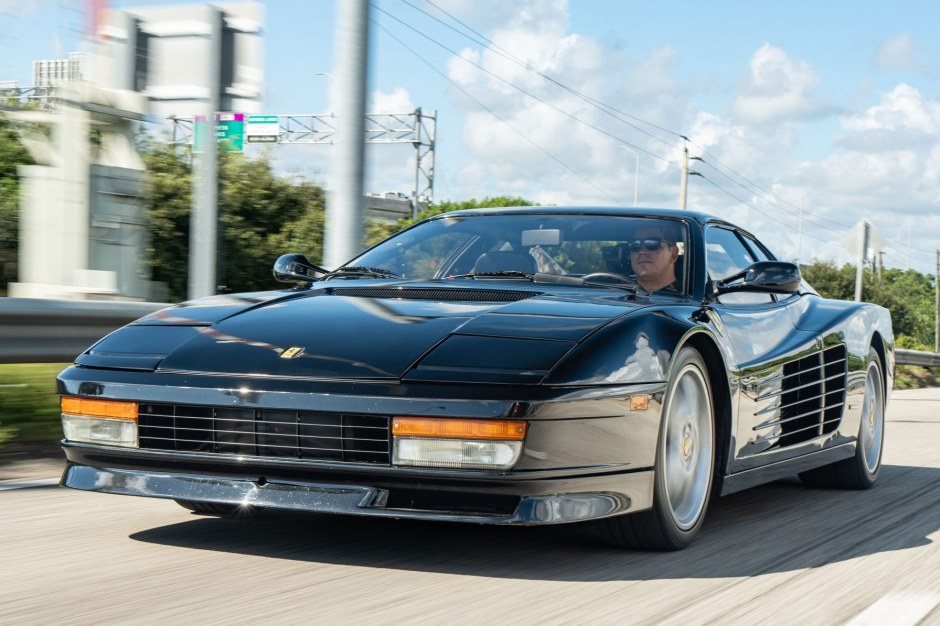
1988 Ferrari Testarossa with 28,000 miles listed on Bring a Trailer
Economy 45
Renewables set to overtake natural gas in US generating capacity within a year
News 160
Russian-linked tanker Myra sends distress signal off Ireland
Politics 120
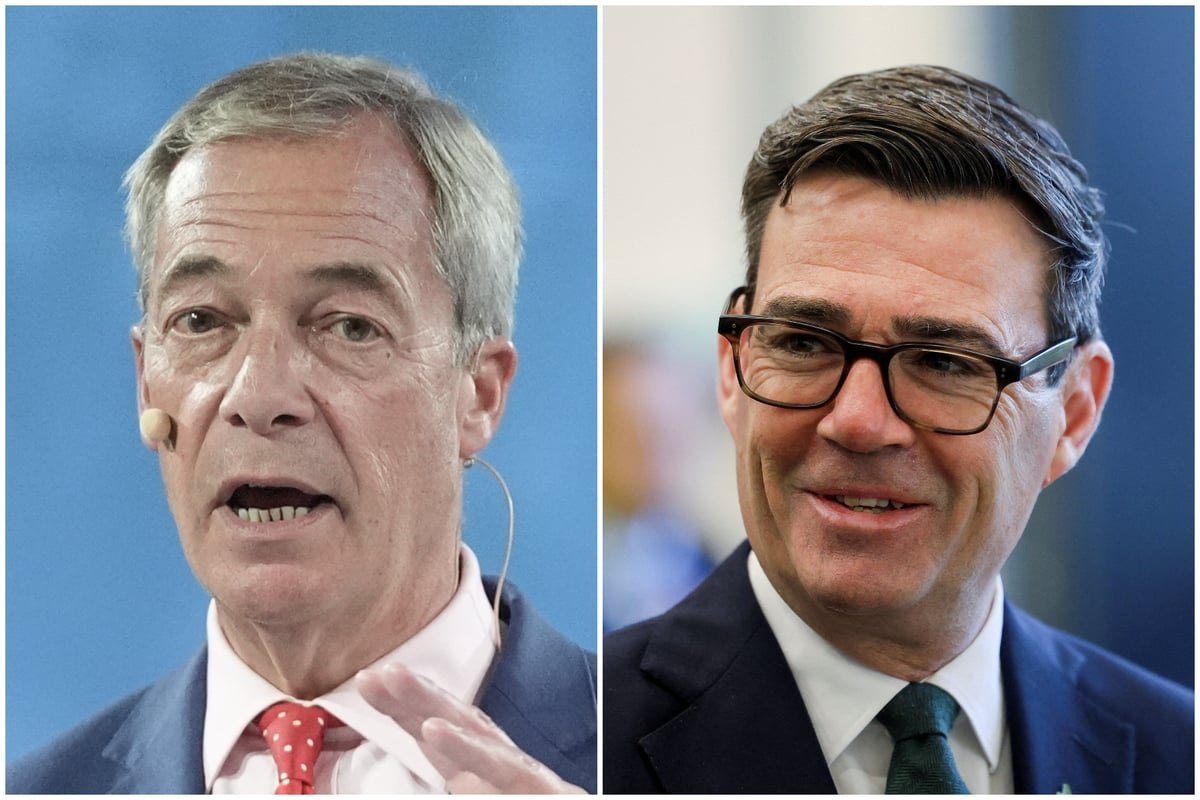
Burnham and Farage clash as UK and EU officials open freedom of movement talks
Sports 287
Alexia Putellas wins third Ballon d'Or four years after her last
Technology 340
Mercedes Preparing Petrol Engine With Electric Turbo for Non-AMG Models

Chancellor John Healey has extended the 5p per litre fuel duty reduction until July 2027, holding the rate at 52.95p, while the government also raises business mileage rates and extends the temporary VAT removal on domestic electricity.
By George Kensington · 3 min read
The government has extended the 5p per litre cut in fuel duty until July 2027, meaning the total duty on fuel will be held at 52.95p per litre rather than rising when the reduction was due to expire on 31 December 2026. The decision was announced in the first budget delivered by Chancellor John Healey, and it is designed to shield motorists from elevated pump prices.
Healey justified the extension by pointing to the conflict in the Middle East, which he said was still driving high fuel prices. The measure keeps the levy frozen for a further period, although opposition figures and motoring groups have questioned whether it goes far enough and what happens once the freeze ends.
Kemi Badenoch, the leader of the opposition, said she was «glad to see» fuel duty temporarily frozen but asked why the rate could not be maintained for longer. She pointed to the Conservative Party's record, saying the party had frozen fuel duty for 14 years, and argued that the government «can do better than that».
Edmund King, president of the motoring organisation the AA, said the freeze only postpones the impact on drivers. In his view, the eventual increase will still produce a «price shock». He argued that the government could have gone further and cut fuel duty by an extra 5p, even if only for diesel, and suggested that higher VAT receipts generated by inflated prices could have offset the resulting loss in revenue. Summing up his position, King said that delaying the increase was «a welcome trick, but no treat for drivers».
The budget also changes the approved mileage rates for business drivers. The rate for motorists covering fewer than 10,000 miles a year had been temporarily raised from 45p per mile to 55p for the current tax year. Healey confirmed that this increase will now be permanent. The rate for those covering more than 10,000 miles annually rises from 25p to 35p per mile.
Electric vehicle owners are also affected. Healey confirmed that the temporary removal of VAT on domestic electricity will be extended until July next year. Although the measure is not aimed directly at motorists, people able to charge electric vehicles at home stand to save money as a result. Electricity drawn from a public EV charger, however, will continue to attract VAT at 20 per cent.
King criticised this distinction, arguing that it widens what he called the «pavement tax», the gap between drivers who can charge at home and those who cannot. He described it as a «missed chance» to encourage take-up of electric vehicles. The announcements leave the government's fuel and motoring policy dependent on how prices develop before the new deadline arrives in July 2027.
5