Business 277
Electric Cars Outsell Petrol and Diesel Combined Across the EU
In this issue
Business 277
Electric Cars Outsell Petrol and Diesel Combined Across the EU
Culture 312
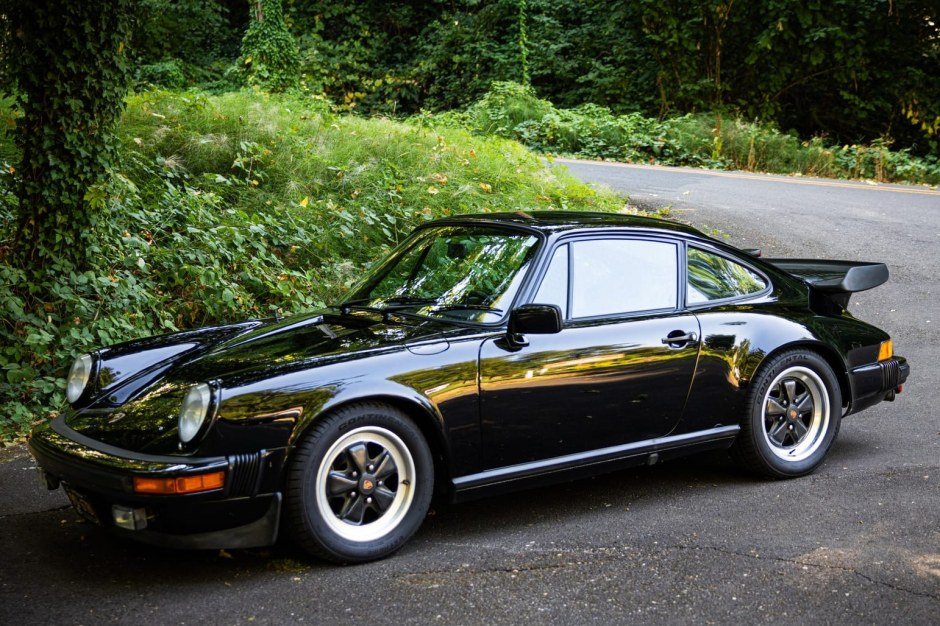
1983 Porsche 911SC Coupe Offered for Sale in Oregon With Full Maintenance Records
Economy 46
Government extends 5p fuel duty cut until July 2027
News 161
Private parking firms face pressure as UK motorists call for fairer rules
Politics 120
Burnham and Farage clash as UK and EU officials open freedom of movement talks
Sports 287
Alexia Putellas wins third Ballon d'Or four years after her last
Technology 341
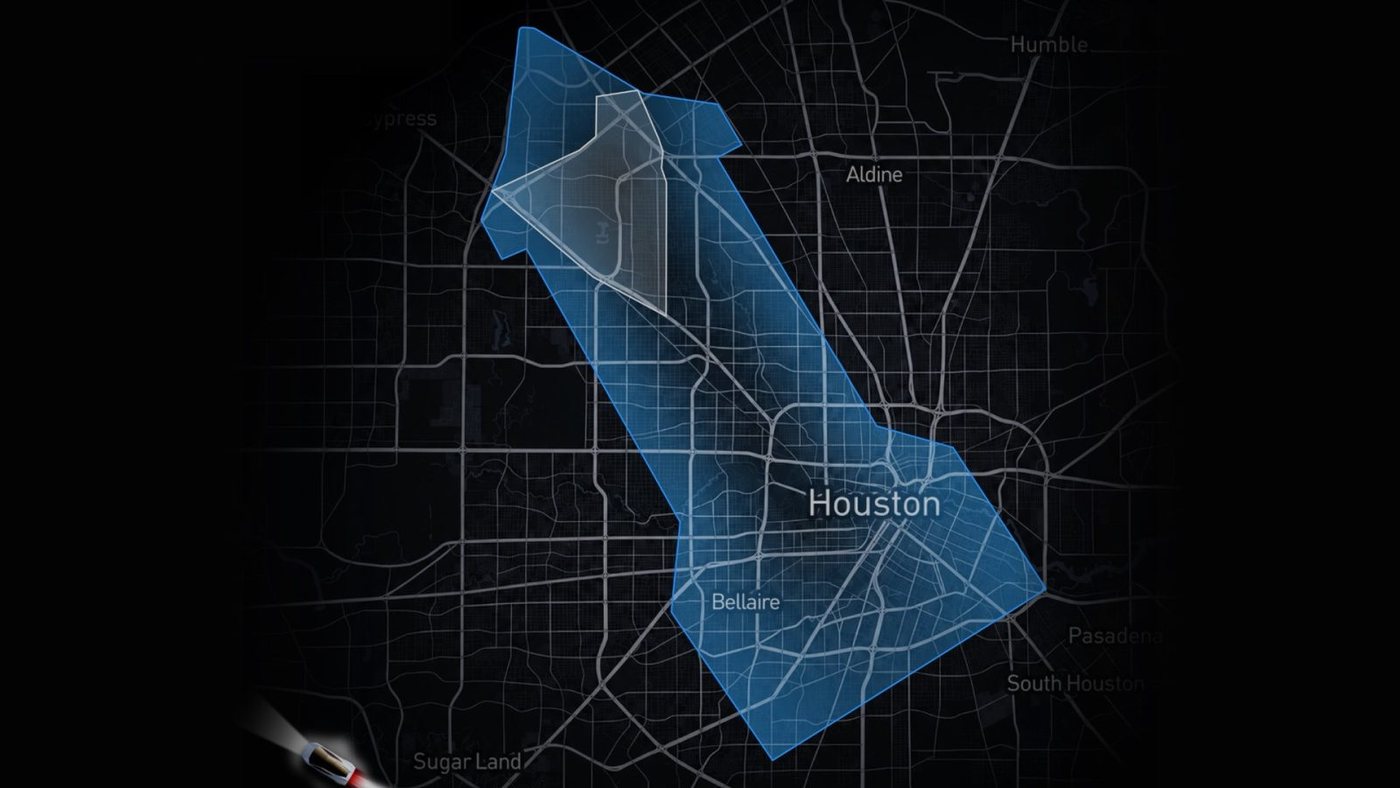
Tesla’s rocket-shaped Robotaxi zone in Houston includes areas it won’t serve
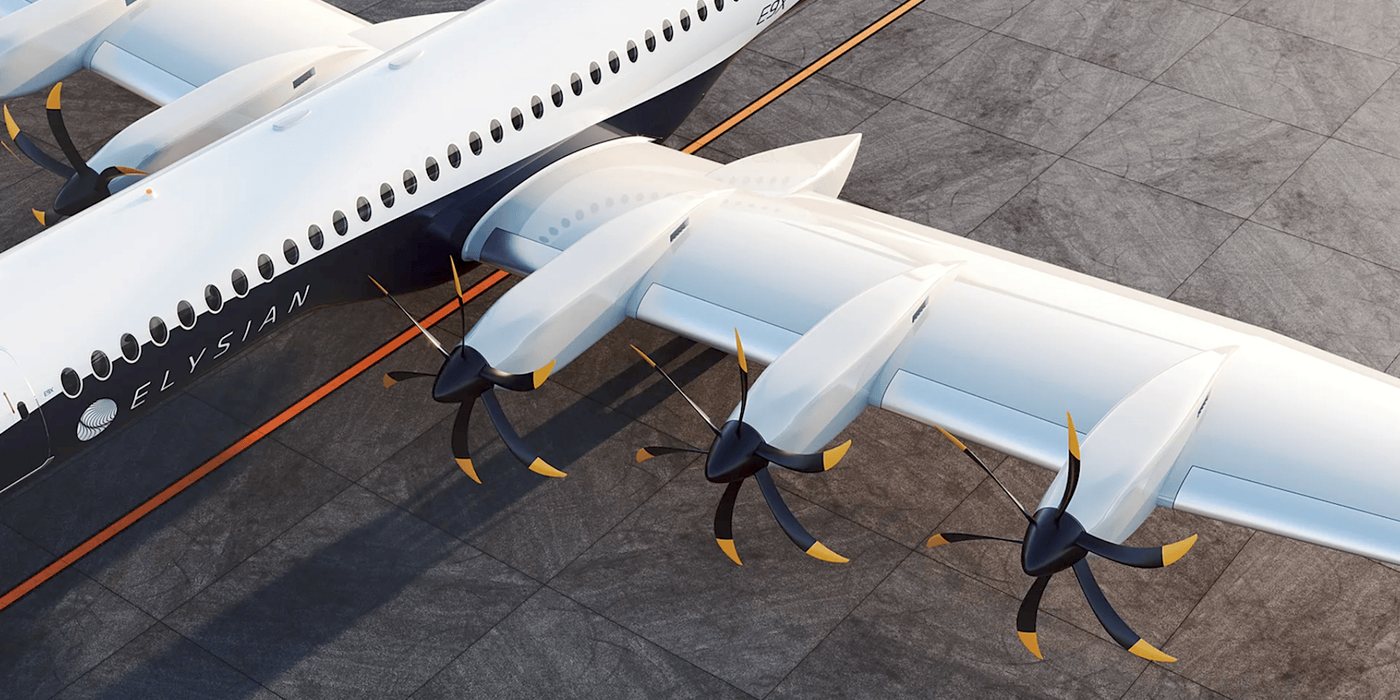
Dutch startup Elysian Aircraft says its planned E9X commercial airliner could bring all-electric passenger flights closer, promising quieter operations and lower fares less exposed to oil price swings.
By Charlotte Redford · 2 min read
Passengers may be booking all-electric flights sooner than many expect, if Dutch startup Elysian Aircraft achieves its goals. The company is promoting its new E9X commercial airliner, which it says would offer considerably quieter flights and fares that depend far less on the price of oil.
The pitch rests on two claims that matter to both travellers and airlines. The first is noise: an electric aircraft runs without the combustion engines that dominate the sound of conventional jets, which would make flights less disruptive for communities near airports. The second is cost. Because electricity does not carry the same exposure to crude oil markets as jet fuel, Elysian argues that ticket prices could become more stable over time, shielded from the geopolitical shocks that periodically push fuel bills up across the aviation sector.
The source material for this story is brief and centres on the company's announcement of the E9X and its positioning as a commercial airliner. It does not set out detailed technical specifications, seat capacity, range, certification timelines or launch dates, and it does not include independent verification of the performance claims. Those points will determine whether the aircraft moves from concept to service, and they remain open questions.
Electric aviation has attracted a growing number of ventures in recent years, and the sector has so far been dominated by smaller aircraft and short-haul concepts, because batteries remain heavy relative to the energy they store. Any airliner aiming at commercial routes faces the challenge of balancing battery weight, range and passenger load. Elysian's announcement places the E9X within that wider effort to decarbonise air travel, a goal the industry has set for itself but has yet to reach at scale.
For now, the news is an ambition rather than a schedule. Travellers who hope to book an all-electric flight will have to wait for further details from Elysian, including proof of performance and regulatory approval, before the company's claims can be tested against the realities of commercial aviation.
7