Business 275
Ford builds its Fathom electric truck with Tesla-style unicasting
In this issue
Business 275
Ford builds its Fathom electric truck with Tesla-style unicasting
Culture 310
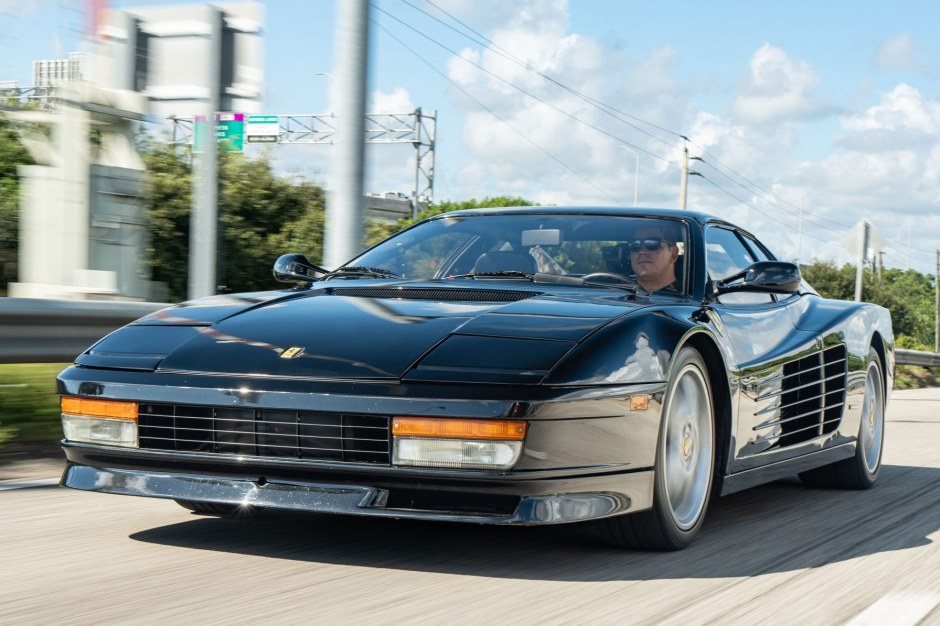
1988 Ferrari Testarossa with 28,000 miles listed on Bring a Trailer
Economy 46
Government extends 5p fuel duty cut until July 2027
News 161
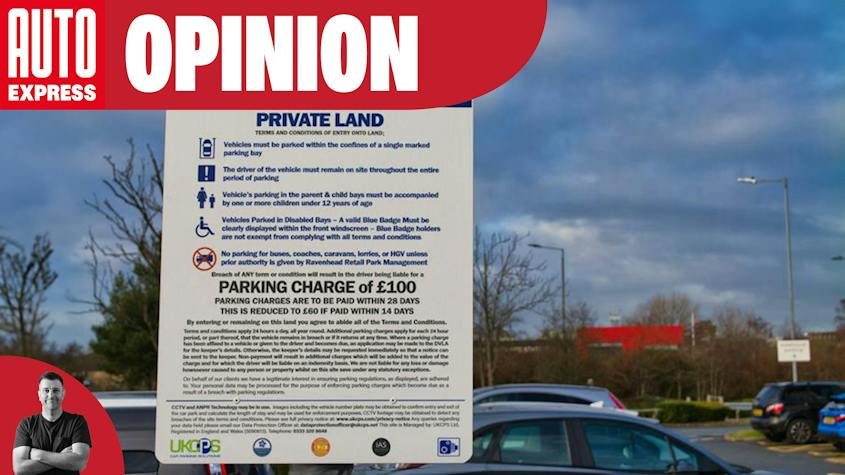
Private parking firms face pressure as UK motorists call for fairer rules
Politics 120
Burnham and Farage clash as UK and EU officials open freedom of movement talks
Sports 287
Alexia Putellas wins third Ballon d'Or four years after her last
Technology 340
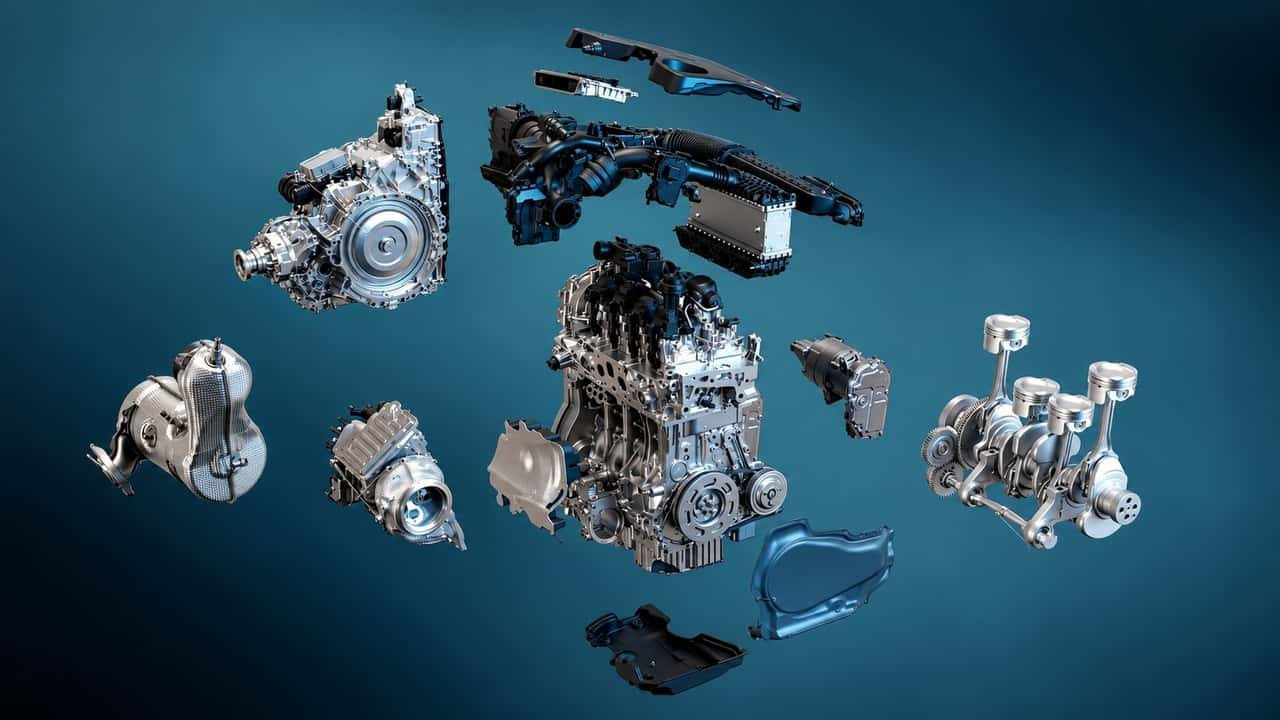
Mercedes Preparing Petrol Engine With Electric Turbo for Non-AMG Models
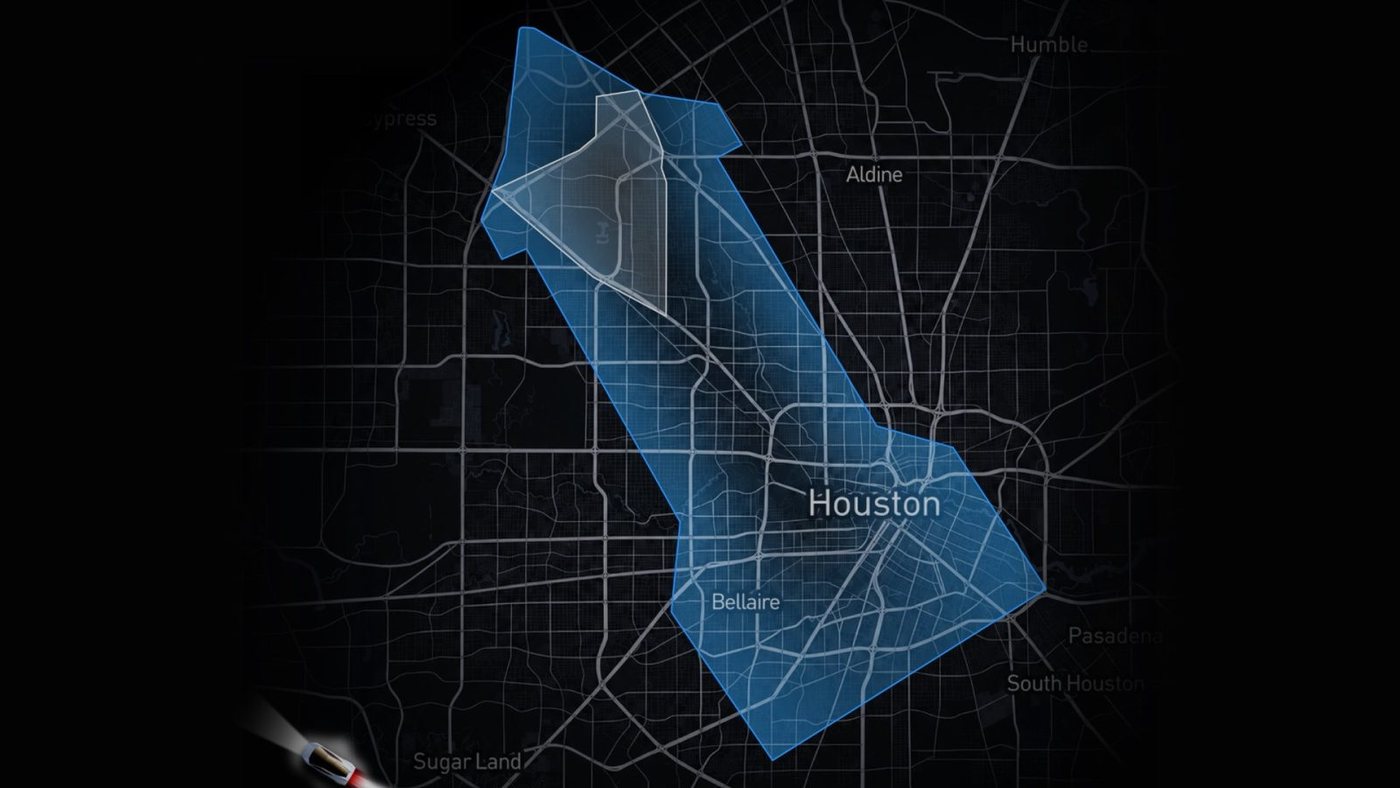
Tesla’s expanded Robotaxi service area in Houston, shaped like a rocket, takes in parts of downtown where the service does not actually pick passengers up, according to a former Tesla employee who tested it.
By Eleanor Ellington · 3 min read
Tesla’s newly expanded Robotaxi service area in Houston, drawn in the shape of a rocket, includes sections of downtown where the service will not actually pick riders up. The claim comes from Ethan McKanna, creator of the Robotaxi Tracker project and a former Tesla employee, who rode the service after Monday’s expansion.
McKanna described Houston as “by far the most egregious ‘fake’ AV service area” he has seen. In one trip he recorded, he spent about 40 minutes inside a Robotaxi to travel two blocks. The episode illustrates the gap between a mapped coverage zone and the places where a passenger can actually be collected and dropped off.
The problem matters because downtown districts are typically where ride-hailing demand is densest, so a boundary that appears continuous on a map but excludes parts of the centre can give customers a misleading picture of what is on offer. McKanna’s account indicates that the drawn perimeter does not fully correspond to the streets where the vehicles will take passengers, a distinction that is easy to miss when a service is promoted through a striking graphic.
The expansion was presented as progress for Tesla’s driverless taxi ambitions in Texas. The source material does not give the size of the enlarged zone, the number of vehicles deployed in Houston, or the date on which the service began operating there, so those details cannot be confirmed here. Tesla is not quoted in the reporting responding to McKanna’s findings, and it is not stated whether the company disputes them.
The report also points to a wider question for autonomous mobility: how far published coverage maps can be trusted as a guide to real-world availability. McKanna’s role as the creator of Robotaxi Tracker, a tool that follows the service’s activity, gives his observations a direct basis in tracking the fleet, though the reporting does not describe the methodology of that tracker. Readers weighing the promise of driverless transport against its current reach would do well to test the service themselves before assuming the mapped area is fully active.
Whether Tesla adjusts the boundaries or clarifies where pickups are offered in Houston will be the next development to watch, as the gap between map and street remains the central point of the criticism.
5