Business 268
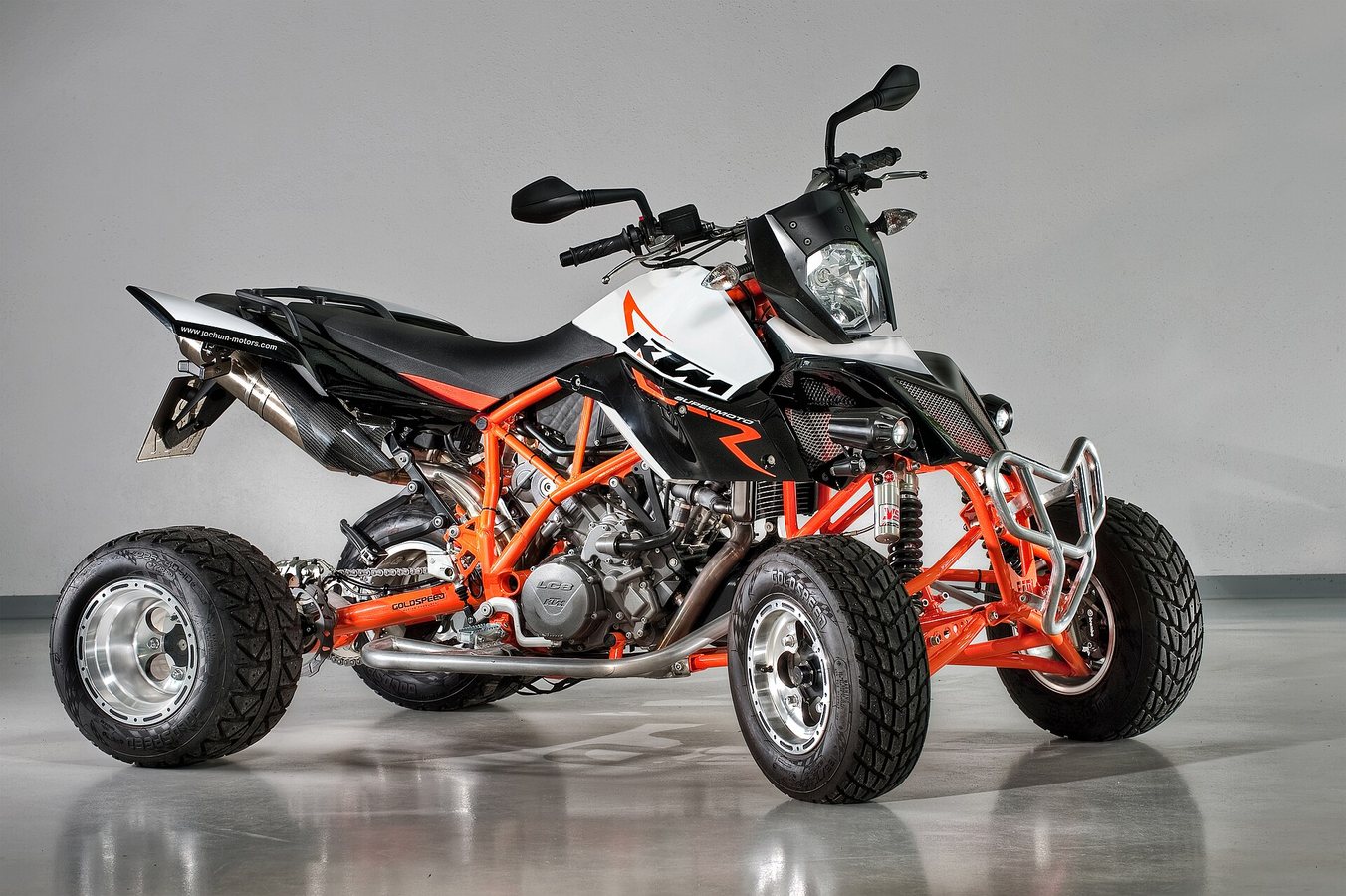
KTM X-Bow gets 592bhp in first update under new owner
In this issue
Business 268
KTM X-Bow gets 592bhp in first update under new owner
Culture 304
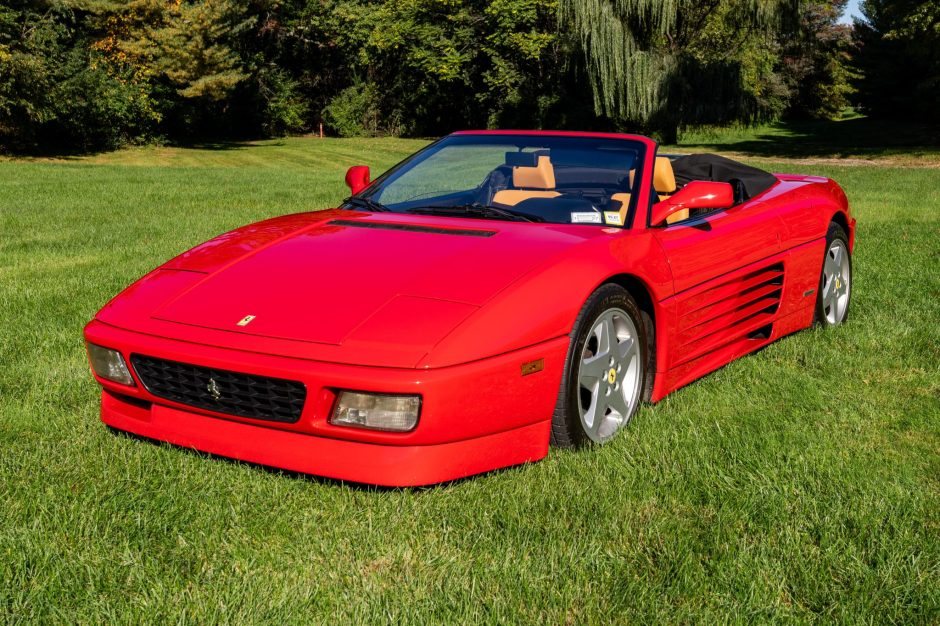
Оригинальный владелец продает 1994 Ferrari 348 Spider с 31 тысячей миль
Economy 44
Poland's pensioner numbers to rise in 2027 as contributions fall short
News 160
Russian-linked tanker Myra sends distress signal off Ireland
Politics 119
Vance blames «tinpot dictators» for gas price spikes and draws online backlash
Sports 286
Aston Villa and Manchester City meet in Premier League fixture
Technology 336
Musk claims Tesla Robotaxi beat Waymo in Austin, but Waymo still drives far more
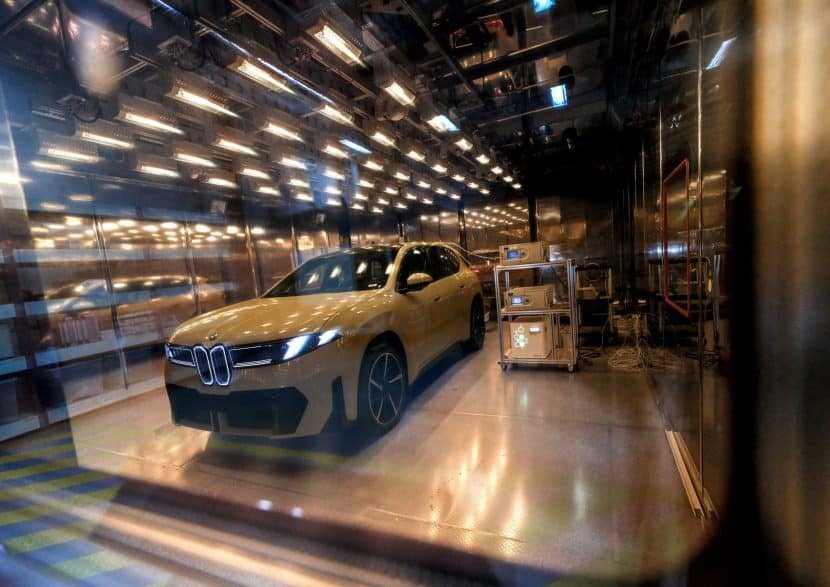
BMW uses a dedicated nose team and odour laboratories in Munich and Shenyang to test cabin materials before they reach production, starting with the Neue Klasse iX3.
By Charlotte Redford · 4 min read
BMW has built a dedicated “nose team” to judge how its cars smell, and the German carmaker is now applying that work to its Neue Klasse range, beginning with the long-wheelbase iX3 for the Chinese market. The team works alongside specialist laboratories to assess interior materials, detect unpleasant odours and help ensure occupants breathe cleaner air.
Cabin air quality is more complicated than fitting a good filter. Materials across a car’s interior can release volatile organic compounds, aldehydes and other substances that affect both air quality and smell. BMW aims to address these issues before materials reach a production vehicle, a task it has pursued for more than 25 years.
The company opened an odour laboratory in Munich in 1999 and set up a second facility in Shenyang, China, in 2014. Together the two labs form a network that combines global development expertise with local testing, and findings from China also feed into BMW’s worldwide product development.
Instruments can measure emissions, but BMW also relies on trained specialists to judge how materials actually smell. The nose team evaluates samples of leather, fabrics, plastics and adhesives, helping engineers tell apart materials that meet the same technical requirements yet deliver very different sensory experiences.
According to the company, its latest automotive-grade microfibre materials can reduce emissions of VOCs, aldehydes and fogging substances. They also avoid animal-derived proteins, which can contribute to unwanted odours as natural leather ages. The automaker is paying attention to smaller details too: some speaker grilles in Neue Klasse vehicles replace plastic with steel, reducing plastic use in those components while giving them a more premium look and feel.
BMW does not rely on a single sniff test before approving an interior. Its three-stage validation process starts with individual materials for emissions and odours, moves to larger components such as seats, dashboards, door panels and headliners, and ends with the complete vehicle. That final step matters because materials that perform well in isolation can smell different when combined, especially as temperatures rise.
The approach extends beyond initial development. By drawing on its laboratories in Germany and China, the company says it aims to maintain consistent standards across markets while incorporating local expertise into its global process. BMW says methods and innovations developed for Chinese customers are increasingly feeding into global vehicle programmes, supported by cooperation with local suppliers, research institutions and testing organisations.
The second-generation iX3 brings these elements together. Alongside low-emission interior materials, it features a Nano Filter system that cleans incoming air in multiple stages. The SUV also manages air more actively: when the system detects conditions such as tunnels or congested roads, it can adjust the recirculation mode to reduce the amount of polluted outside air entering the cabin. Drivers can check air-quality index information, while automatic ventilation when parked and a pre-entry air-refresh function prepare the cabin before a journey begins.
BMW describes this as a shift from passive filtration to active air management. Rather than simply cleaning air after it enters the vehicle, the system responds to changing conditions and aims to limit exposure in the first place. For BMW, the Neue Klasse iX3 is therefore about more than a new electric platform, fresh styling and next-generation infotainment. It is also a showcase for the work that goes into parts of a car that drivers rarely think about.
3