Business 268
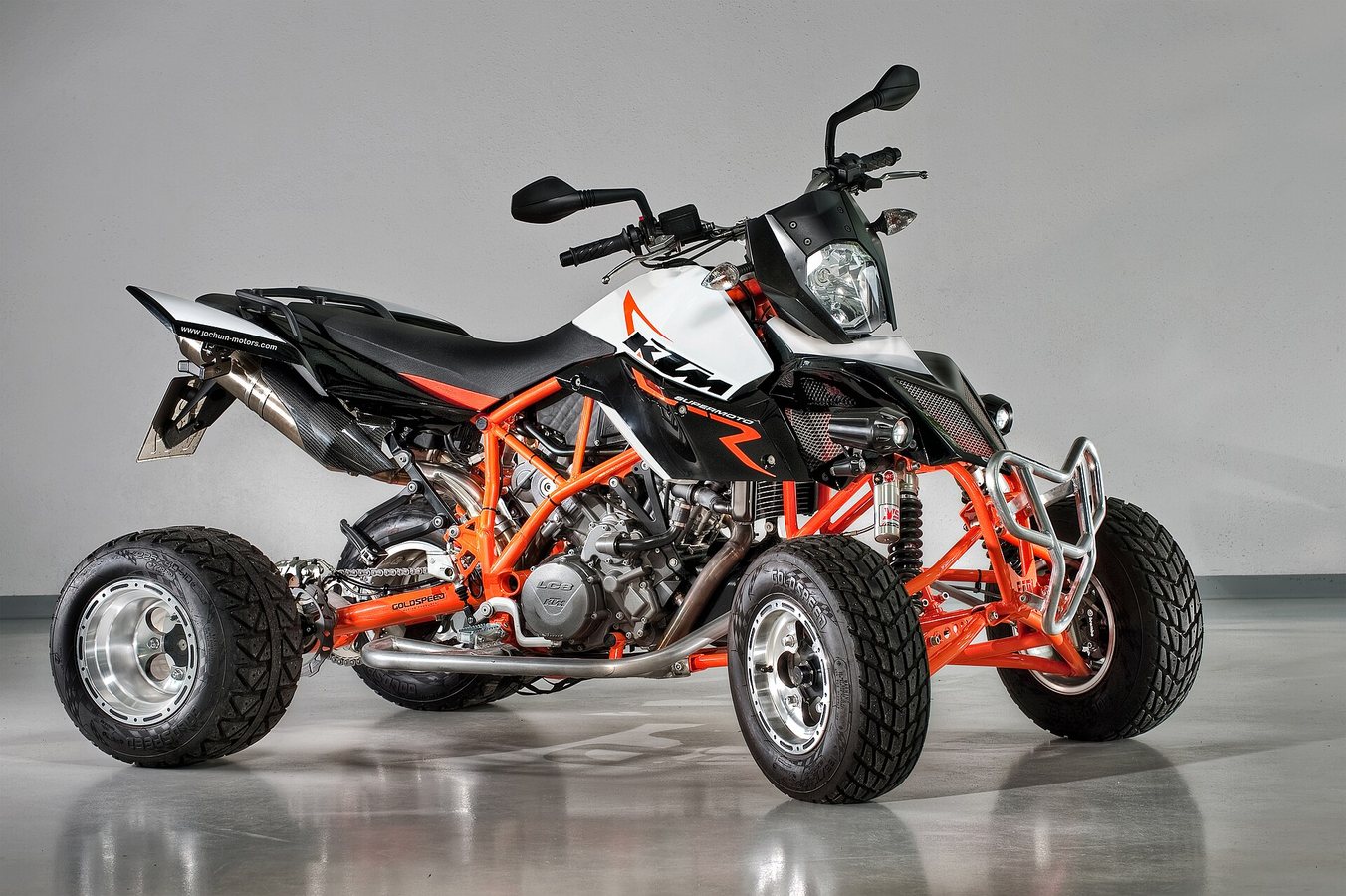
KTM X-Bow gets 592bhp in first update under new owner
In this issue
Business 268
KTM X-Bow gets 592bhp in first update under new owner
Culture 304
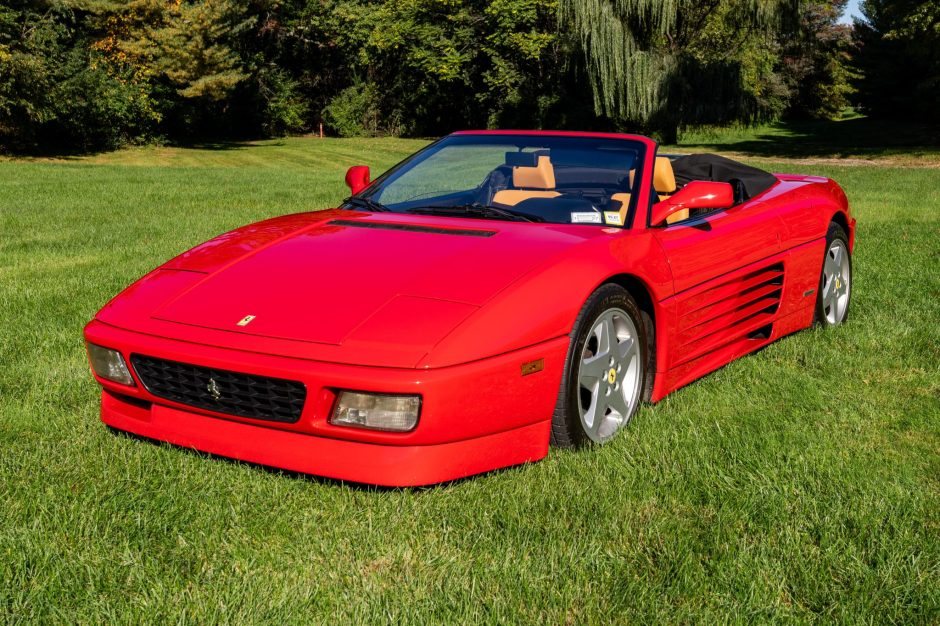
Оригинальный владелец продает 1994 Ferrari 348 Spider с 31 тысячей миль
Economy 43
Trump boasts oil firms are reaping billions as drivers pay more at the pump
News 160
Russian-linked tanker Myra sends distress signal off Ireland
Politics 119
Vance blames «tinpot dictators» for gas price spikes and draws online backlash
Sports 286
Aston Villa and Manchester City meet in Premier League fixture
Technology 335
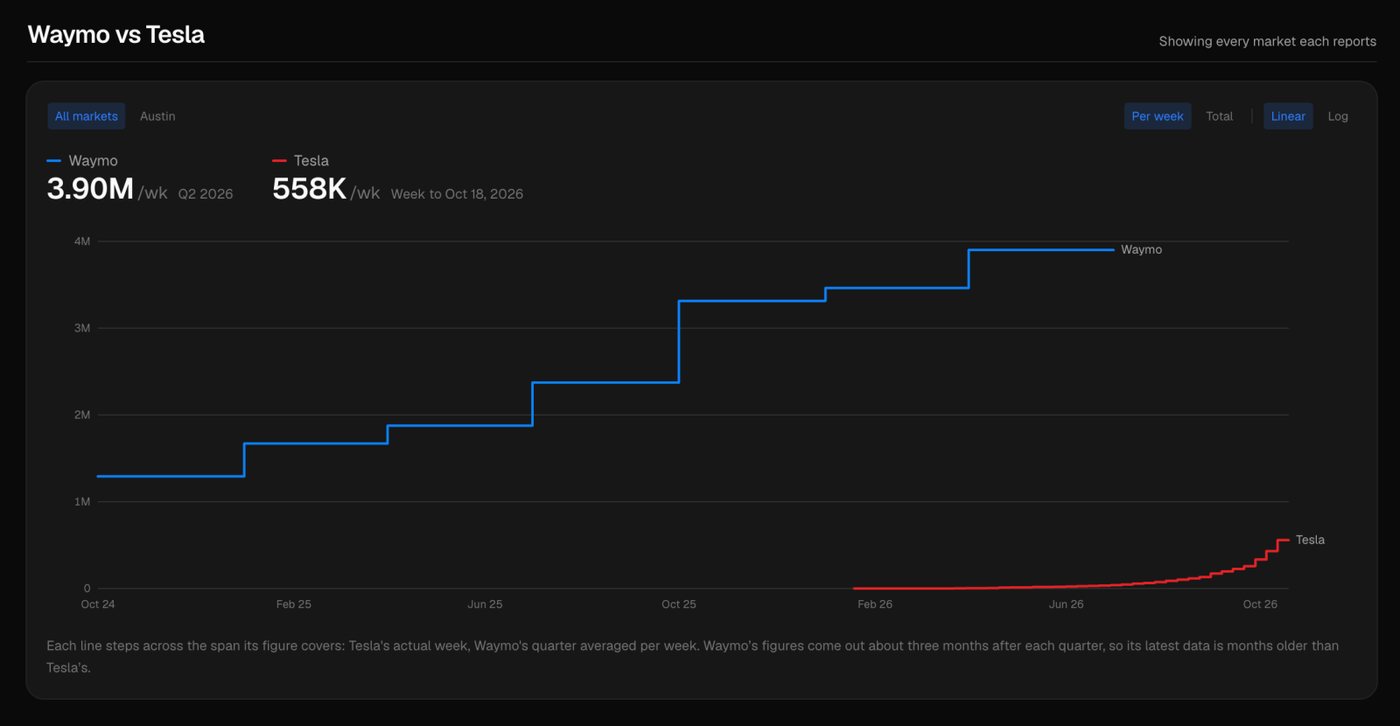
Musk claims Tesla Robotaxi beat Waymo in Austin, but Waymo still drives far more
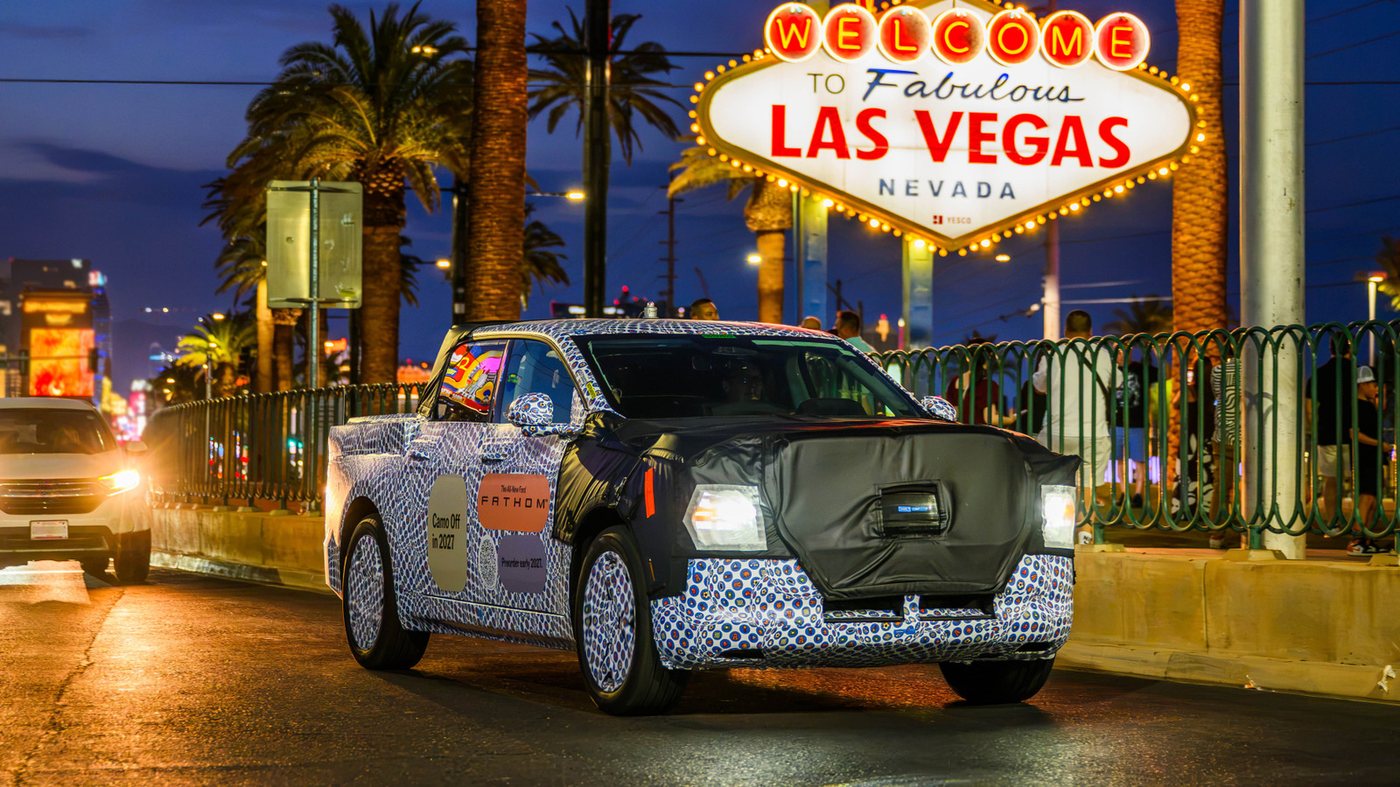
Ford's upcoming Fathom electric truck, priced below $30,000, will feature built-in bidirectional charging that removes the need for an expensive external inverter to power a home.
By Edward Beaumont · 2 min read
Ford is aiming to make powering a home from an electric vehicle considerably cheaper. Its upcoming Fathom electric truck, priced under $30,000, will include a new bidirectional charging system that does away with the need for an expensive external inverter, according to reports on the vehicle.
The Fathom will be able to charge its battery while electricity is cheap and then switch automatically to powering the home once rates rise. Because the vehicle carries an onboard DC-to-AC inverter, owners will not need costly separate hardware to back up their homes with the truck, which is a key contrast with Ford's larger F-150 Lightning and its more expensive home backup arrangements.
The pricing and the simplified hardware are the central selling points. By integrating the conversion equipment into the vehicle itself, Ford is positioning the Fathom as a more accessible route into vehicle-to-home power for households that would otherwise be deterred by installation costs. The approach turns a truck battery into a home energy store that can be used during expensive peak periods.
Beyond the consumer angle, the reporting highlights how bidirectional charging is becoming a practical feature rather than a niche one. Sending stored energy back to a house during high-rate periods depends on the vehicle, its inverter and the household's tariff arrangements working together, and Ford's decision to build the inverter into the truck removes one of the main barriers to adoption.
7