
Business 266
Volkswagen gaat Chinees Xpeng-platform ook in Europa gebruiken
In this issue
Business 266
Volkswagen gaat Chinees Xpeng-platform ook in Europa gebruiken
Culture 303
Pennsylvania Dealer Lists 26,000-Mile 1996 Corvette Grand Sport for Sale
Economy 43
Trump boasts oil firms are reaping billions as drivers pay more at the pump
News 160
Russian-linked tanker Myra sends distress signal off Ireland
Politics 119
Vance blames «tinpot dictators» for gas price spikes and draws online backlash
Sports 286
Aston Villa and Manchester City meet in Premier League fixture
Technology 334
Electric BMW M3 prototype spotted testing in California ahead of 2027 unveil
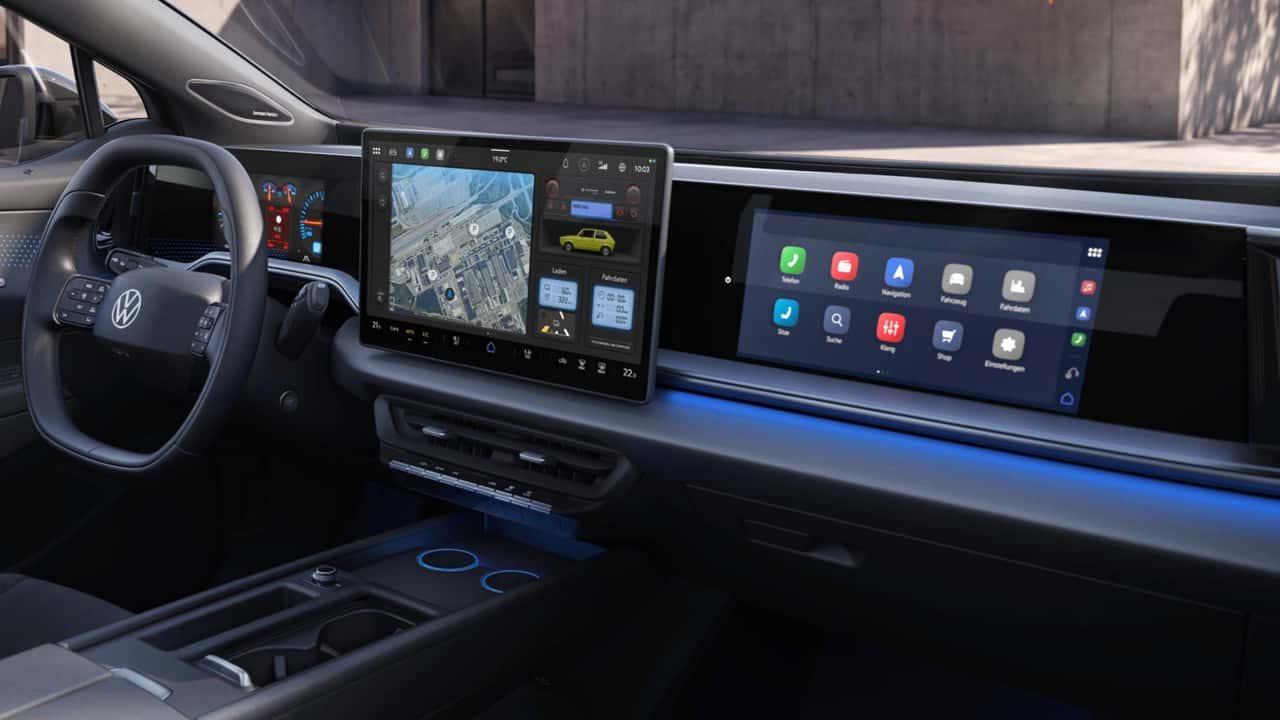
Volkswagen Group is reportedly considering using Chinese-developed software in its European cars, with internal calculations suggesting savings of up to €5 billion on its most important model. The company has declined to comment.
By Edward Beaumont · 3 min read
The Volkswagen Group is reportedly weighing the use of Chinese-developed software in its European vehicles, a move that internal calculations suggest could save the company up to €5 billion on its most important model. The company has not commented publicly on the reported plans.
The potential savings are substantial for a carmaker under sustained pressure on margins. Volkswagen, which sells vehicles across Europe, China and other markets, has been working to reduce the cost of developing software-driven features that increasingly define modern cars, from infotainment systems to driver assistance and vehicle electronics. Software has become one of the biggest sources of expense and complexity in the industry, and carmakers are looking for ways to bring those costs down without sacrificing the features buyers expect.
China has emerged as a leading centre for automotive software and electric vehicle development, with domestic manufacturers and suppliers moving quickly to build digital architectures and in-car systems. Western carmakers have been watching that progress closely, and Volkswagen has a significant presence in the Chinese market through joint ventures, which gives it direct exposure to local engineering capabilities.
The reported plan would mark a notable shift for a German manufacturer that has traditionally kept core software development closer to home. Using software developed in China in European cars would also raise questions about data handling, regulatory compliance and the political sensitivity surrounding technology links between Europe and China, issues that have become more prominent in recent years.
Volkswagen has not confirmed the details of the reported proposal, and it remains unclear how far any such plan has progressed or which models would be affected beyond the most important model referenced in the internal calculations. The company's silence leaves the scale and timing of any change open, and the figures cited are based on internal estimates rather than announced policy.
For readers following the industry, the development underlines how competitive pressure is reshaping the way established carmakers build their products. Cost control in software has become a central concern as the sector shifts towards electrification and connected vehicles, and any decision by a company of Volkswagen's size on where its software comes from would be closely watched by rivals, suppliers and investors.
10