Business 275
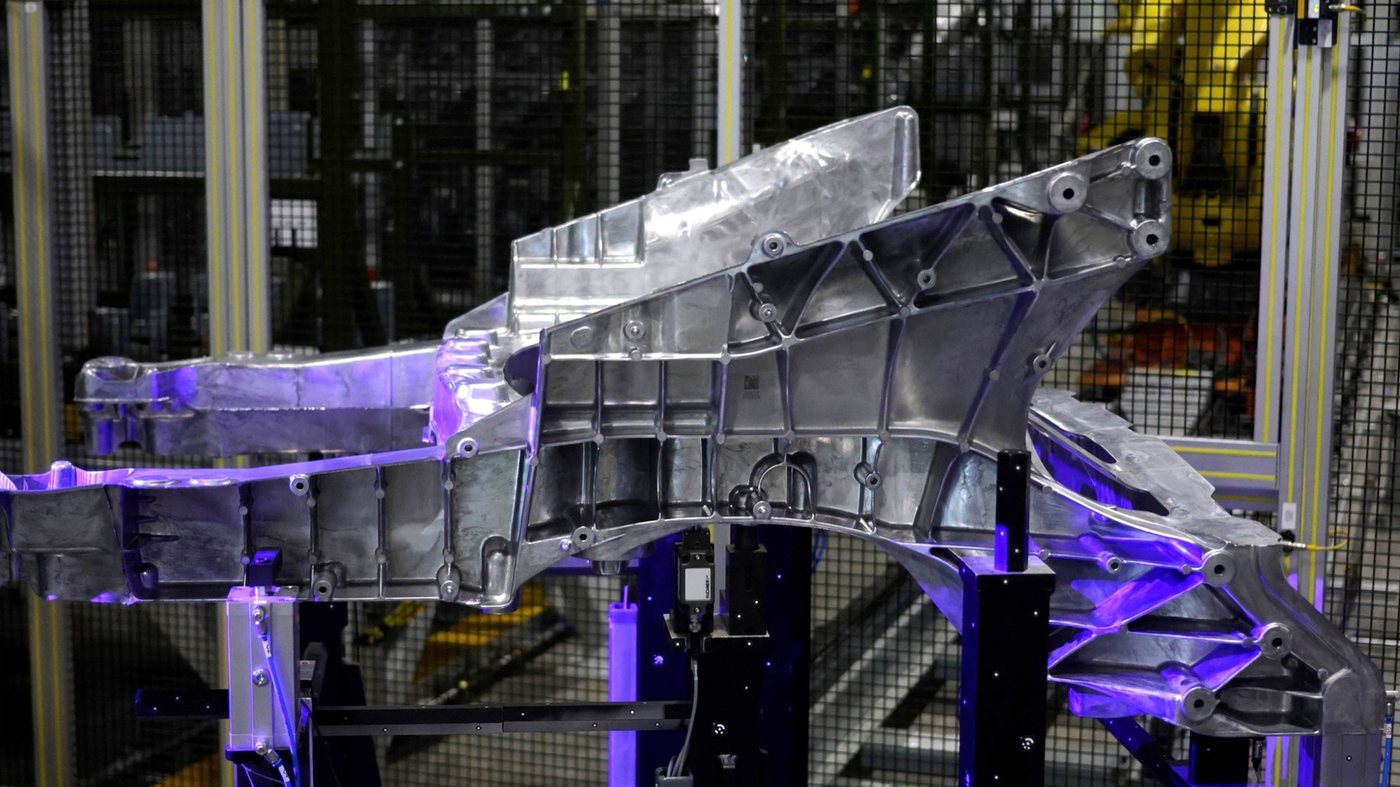
Ford builds its Fathom electric truck with Tesla-style unicasting
In this issue
Business 275
Ford builds its Fathom electric truck with Tesla-style unicasting
Culture 311
Refurbished 1966 Austin-Healey 3000 Mk III heads to auction in California
Economy 46
Government extends 5p fuel duty cut until July 2027
News 160
Russian-linked tanker Myra sends distress signal off Ireland
Politics 120
Burnham and Farage clash as UK and EU officials open freedom of movement talks
Sports 287
Alexia Putellas wins third Ballon d'Or four years after her last
Technology 341
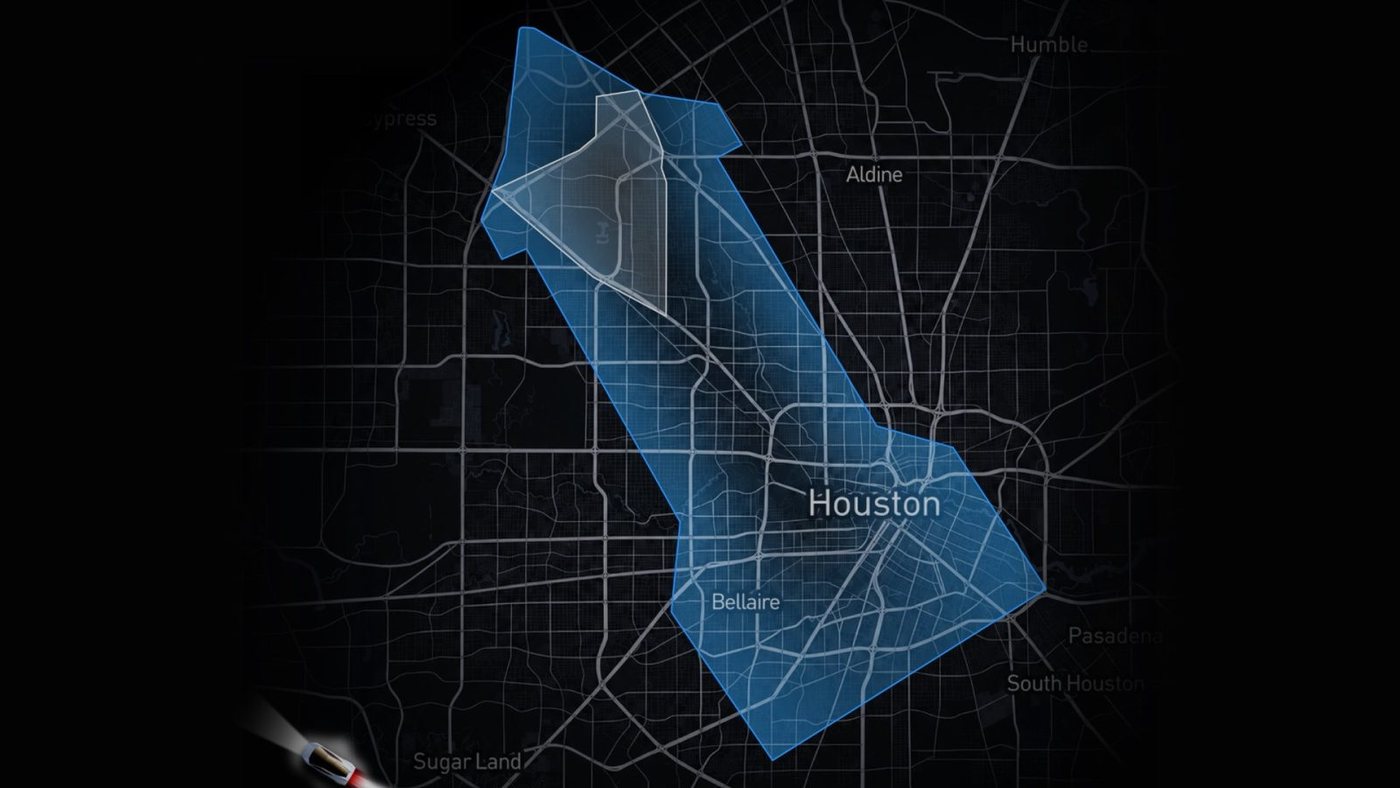
Tesla’s rocket-shaped Robotaxi zone in Houston includes areas it won’t serve
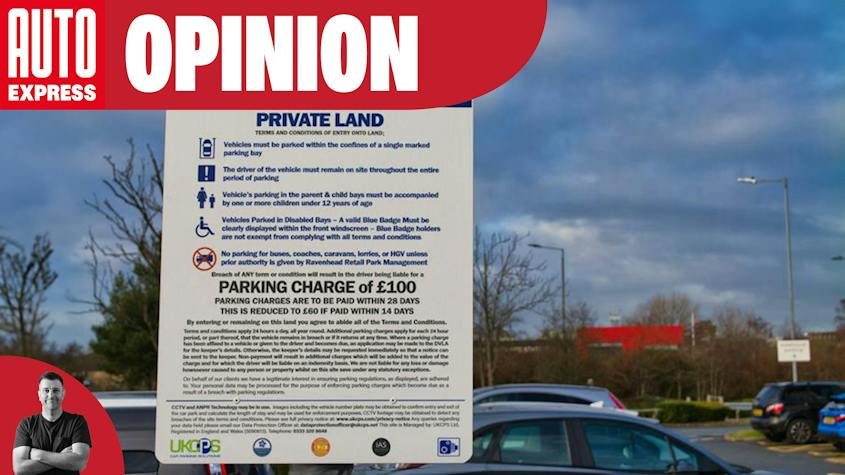
Motorists across the UK are increasingly frustrated by private car parking companies, which have been given wide freedom to issue penalties. Calls for common sense are growing.
By George Kensington · 3 min read
Private car parking companies in the UK have been given such wide latitude to issue penalties that many motorists now feel they have little protection against unfair charges. A commentary in Auto Express argues that the problem is systemic, rooted in a regime that lets private operators police car parks and levy fines with limited oversight, and that the situation may finally be starting to change.
The core complaint is that parking, which should be a straightforward transaction, has become a source of anxiety and expense for ordinary drivers. Signage in some car parks can be unclear, grace periods can be short, and penalty notices can arrive with sums that feel disproportionate to the offence. For drivers who simply misjudge a ticket or overstay by minutes, the consequences can be costly and difficult to challenge. The author's central point is that the difficulty is not inherent in parking itself but in how the rules around it have been allowed to develop.
The article suggests that the answer lies in restoring a sense of fairness to the system rather than in punishing drivers further. Clearer rules, transparent terms and proportionate enforcement would, in the author's view, allow parking to function as it was intended: as a practical service that keeps spaces available and traffic moving. Drivers, in this framing, are not seeking to avoid paying for a service but to be treated reasonably when they use it, and the commentary argues that a well-designed system should make compliance simple rather than a trap.
The piece presents the current climate as a moment where that kind of reform may be possible, with growing public irritation at the sums demanded by operators creating the conditions for change. It does not set out a detailed legislative timetable or name specific companies, and it stops short of describing any formal consultation or regulatory decision. What it does make clear is that the pressure is coming from ordinary motorists, who increasingly see the penalty system as weighted against them.
For motorists, the message is that the balance of power in car parks has tilted heavily towards operators, and that many drivers have accepted penalties they believe were unjustified rather than face the cost and effort of contesting them. Whether that pressure translates into concrete action remains to be seen, but the commentary makes clear that frustration with the present arrangements is widespread and that the debate over fairness in private parking is far from over.
6