Business 235
Geely's compact EV hits one million sales in two years
In this issue
Business 235
Geely's compact EV hits one million sales in two years
Culture 271
LS2-Powered 1989 Jeep Wrangler Laredo Heads to Auction
Economy 41
German Economists Set Income Threshold for the Upper Class
News 157
Planning Permission Axed for Cross-Pavement EV Charging Gullies
Politics 115
Burnham launches crackdown on loud music on public transport
Sports 280
Tottenham beat Coventry as De Zerbi faces injury concerns
Technology 320
LiveWire to Unveil Two New Electric Motorcycles at EICMA
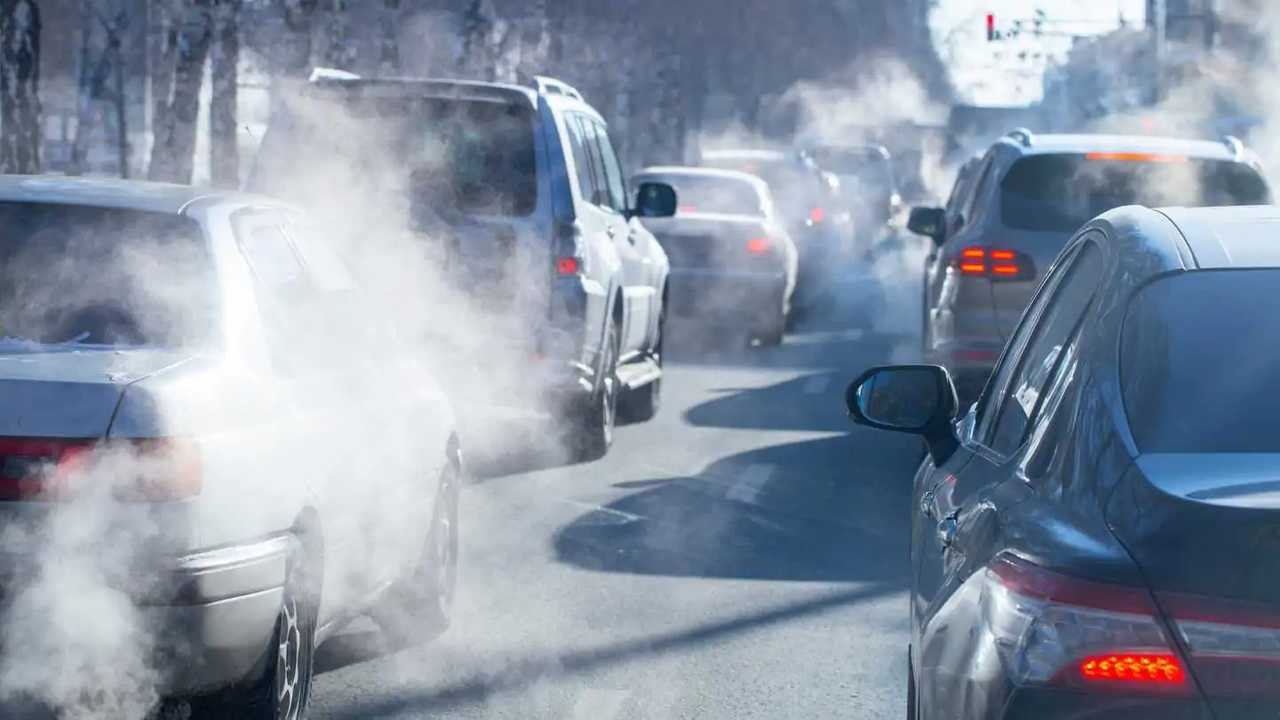
A new deal in Brussels has softened proposed emissions rules for new cars, giving internal combustion engines more room to survive beyond the middle of the next decade.
By Edward Beaumont · 4 min read
The European Union has moved a step closer to keeping petrol and diesel cars on the road beyond 2035 after the latest negotiated deal loosened proposed emissions targets for new vehicles. The agreement, reached in Brussels, gives internal combustion engines more room to survive past the middle of the next decade, marking a significant shift in the bloc's approach to decarbonising road transport.
The original plan, part of the EU's broader climate agenda, would have required all new cars sold from 2035 to be zero-emission, effectively banning the sale of new petrol and diesel models. The revised deal softens those targets, creating space for manufacturers to continue producing vehicles with internal combustion engines under certain conditions. The precise terms of the loosened rules have not been fully detailed, but the direction of travel is clear: the EU is edging away from a strict ban.
The change reflects mounting pressure from several member states and industry groups who argued that a rapid shift to electric vehicles risked damaging Europe's automotive manufacturing base and leaving consumers behind. Carmakers have warned that the charging infrastructure required to support a wholesale switch to electric motoring is not being built quickly enough, and that the cost of electric vehicles remains too high for many households.
The deal is not yet final. It must still be agreed with the European Parliament and member states before it becomes law, and further negotiations are expected. But the direction of the latest agreement suggests that the EU is prepared to offer more flexibility to the automotive sector than originally planned.
The automotive industry is one of Europe's largest employers, supporting millions of jobs across manufacturing, supply chains and related services. Germany, home to some of the world's biggest carmakers, has been among the most vocal critics of a strict 2035 ban, arguing that a more gradual approach is needed to protect jobs and allow the industry to adapt.
Environmental groups have criticised the loosening of the targets, warning that it sends the wrong signal to investors and undermines the EU's climate commitments. They argue that delaying the transition to electric vehicles will make it harder for Europe to meet its emissions reduction goals and could leave the bloc trailing behind competitors in the global electric vehicle market.
The deal comes as the EU seeks to balance its climate ambitions with growing concerns about industrial competitiveness and the cost of living. The bloc has set ambitious targets for reducing greenhouse gas emissions, but the transition to a low-carbon economy has proven politically difficult, with farmers, manufacturers and consumers all pushing back against the pace of change.
For British readers, the development is significant. The UK has its own 2035 ban on new petrol and diesel cars, and any softening of EU rules could increase pressure on Westminster to follow suit. The UK's automotive sector is closely tied to the European market, and divergence in regulations could create complications for manufacturers who sell into both markets.
The latest deal is a reminder that the road to decarbonisation is rarely straight. As the EU negotiates the final terms, the future of the internal combustion engine in Europe remains uncertain, but the latest agreement suggests that its demise may not be as swift as once planned.
9