Business 234
Alpine Puts Brand Integrity Before Sales as A390 Falls Short
In this issue
Business 234
Alpine Puts Brand Integrity Before Sales as A390 Falls Short
Culture 271
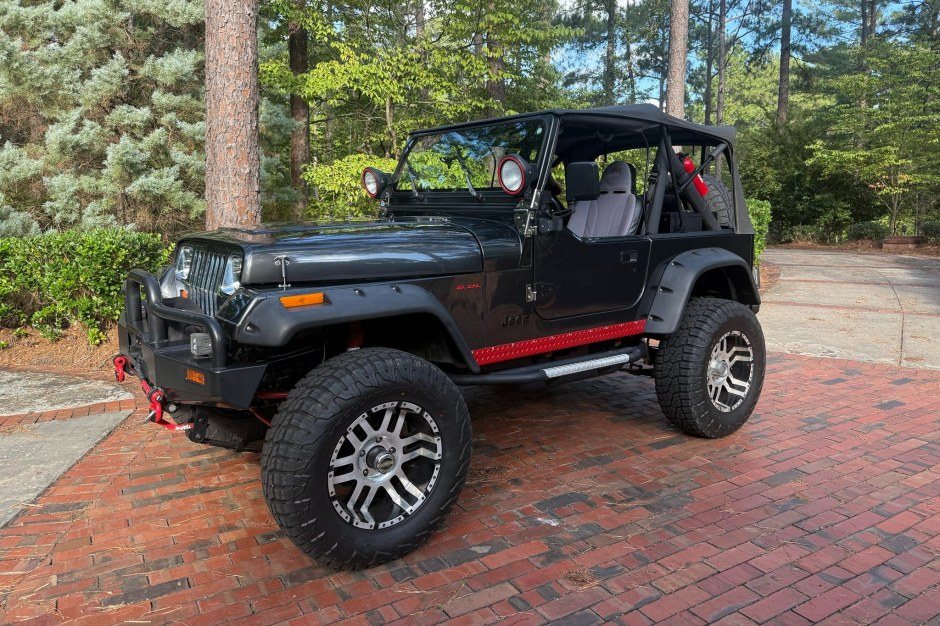
LS2-Powered 1989 Jeep Wrangler Laredo Heads to Auction
Economy 41
German Economists Set Income Threshold for the Upper Class
News 158
EU Loosens 2035 Emissions Targets in Move That Could Keep Petrol Cars Alive
Politics 115
Burnham launches crackdown on loud music on public transport
Sports 280
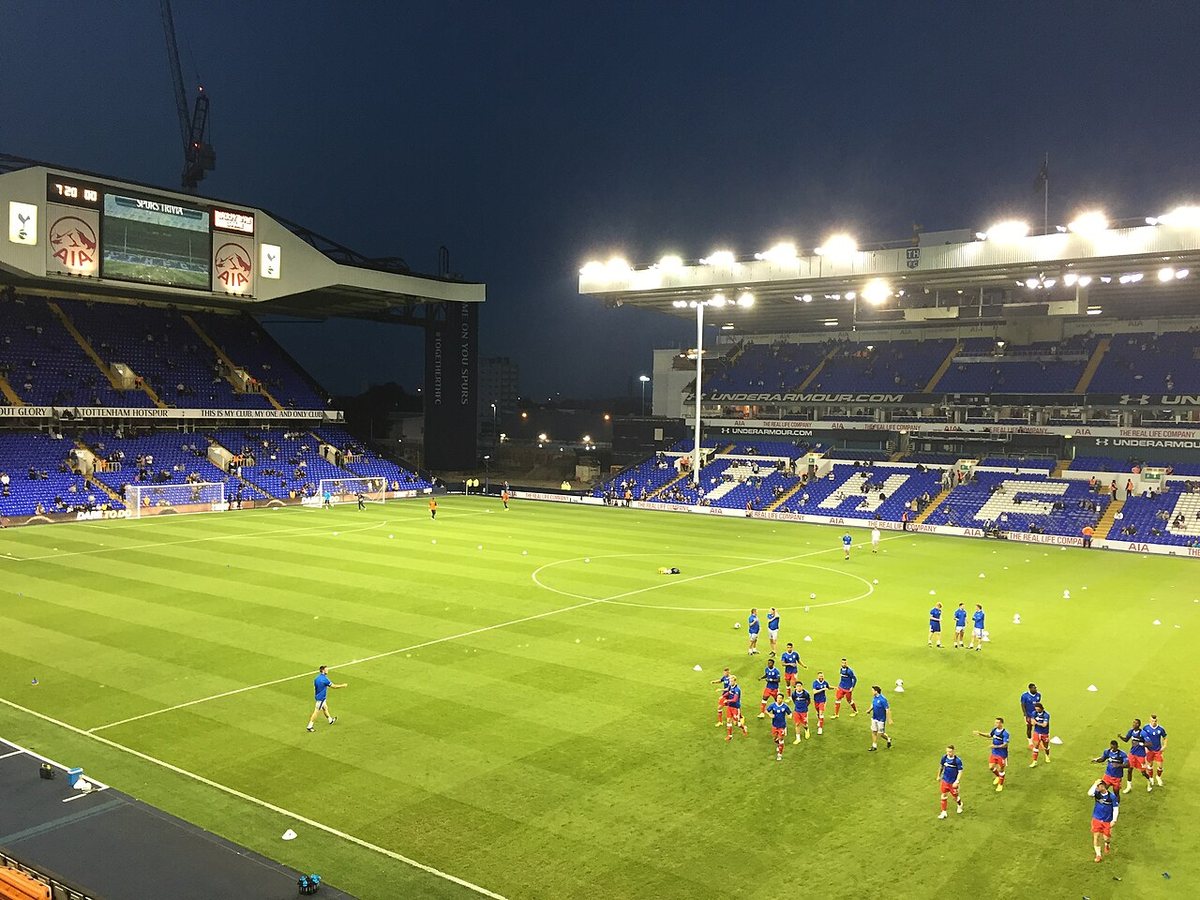
Tottenham beat Coventry as De Zerbi faces injury concerns
Technology 320
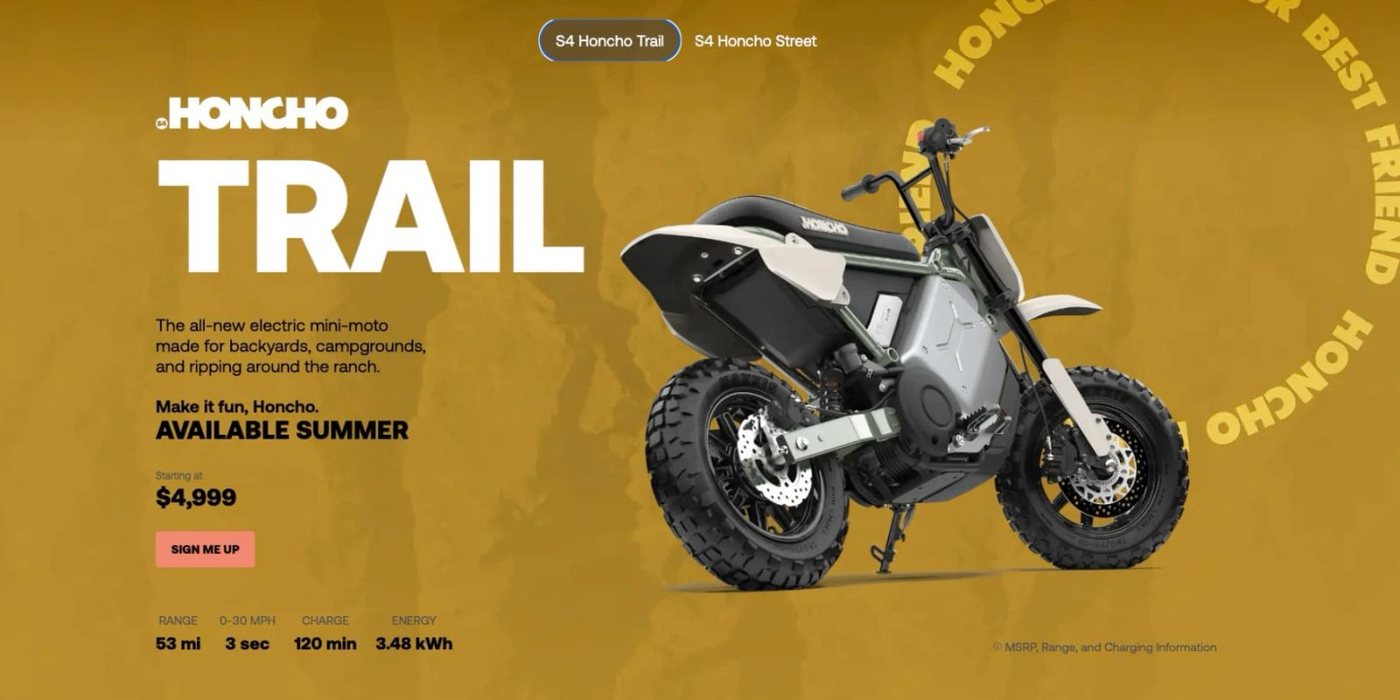
LiveWire to Unveil Two New Electric Motorcycles at EICMA
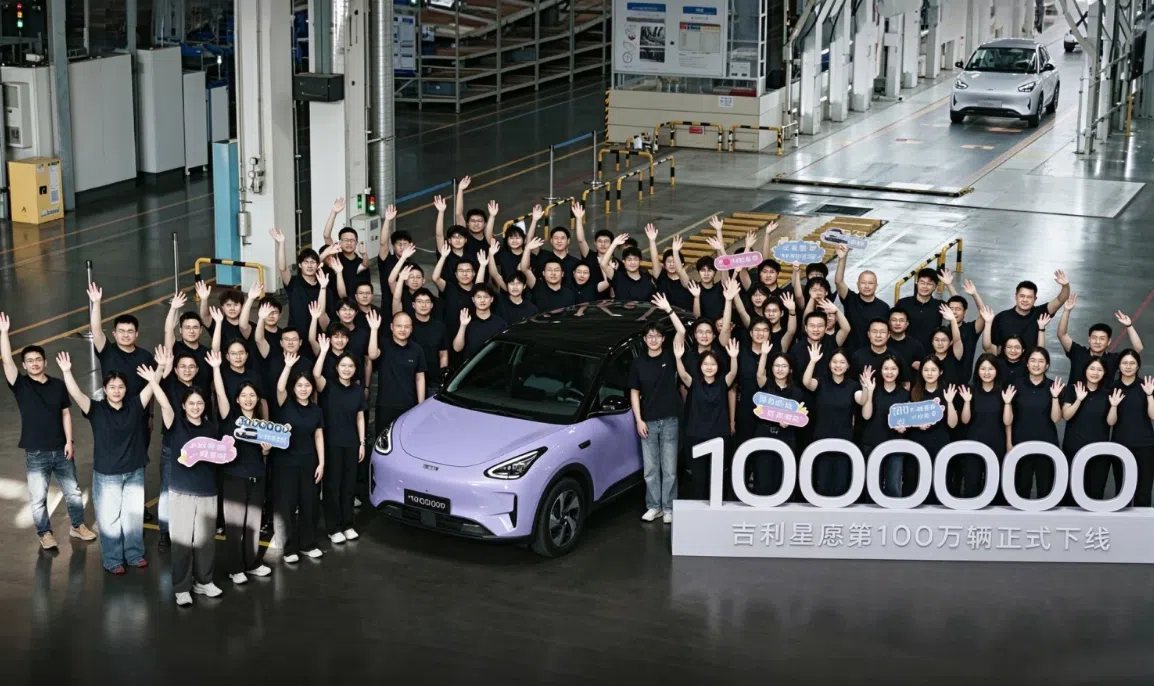
Geely has produced its millionth unit of the compact electric hatchback sold in Europe as the E2 and EX2, with the model becoming China's best-selling new car and expanding into the UK market.
By Charlotte Redford · 3 min read
Geely has reached a significant production milestone with its compact electric hatchback, rolling out the one-millionth example just two years after the model was introduced. The achievement underlines how quickly Chinese manufacturers are scaling affordable electric vehicles while European rivals continue to debate how to bring costs down.
The car is sold under different names depending on the market. In China it is known as the Geely Xingyuan, while European buyers know it as the E2, and in other export markets it carries the EX2 badge. The million-unit figure covers all versions of the model combined.
The sales trajectory has been remarkably steep. The E2 was introduced in October 2024 and had already notched up 200,000 sales by May 2025. By March this year the cumulative total stood at 600,000, according to Geely, rising to 800,000 in August. A further 200,000 units were added in the two months that followed, taking the model past the million mark.
In its home market the hatchback has become the most popular new car on sale, a position it has held for some time. That domestic dominance has provided the foundation for Geely's export push, with the model now arriving in right-hand-drive markets including the UK.
The E2's appeal rests largely on its pricing. In the Netherlands, where around 100 examples have so far been registered, the entry-level version starts at €22,990. That buys 82 horsepower and a 35-kWh battery. Buyers wanting more range can step up to a 115-horsepower variant with a 47-kWh battery, offering a maximum range of 345 kilometres, priced from €25,490.
Those figures place the Geely firmly in the affordable end of the electric car market, a segment where European manufacturers have struggled to compete on cost. The company's ability to ramp production to a million units in two years demonstrates the scale of Chinese manufacturing capacity and the speed at which new models can be brought to market.
For British buyers, the arrival of the E2 represents another low-cost electric option in a market where choice at the budget end has been limited. The model's rapid sales growth in mainland Europe and its dominant position in China will be watched closely by established brands seeking to defend their share of the compact car segment.
The milestone also highlights the widening gap between Chinese and European approaches to electrification. While European firms hold meetings on making EVs more affordable, Geely has simply built a small, cheap electric car and sold it in vast numbers. Whether that formula translates into sustained success in the UK remains to be seen, but the first two years suggest the model has found a ready market.
4