Business 234
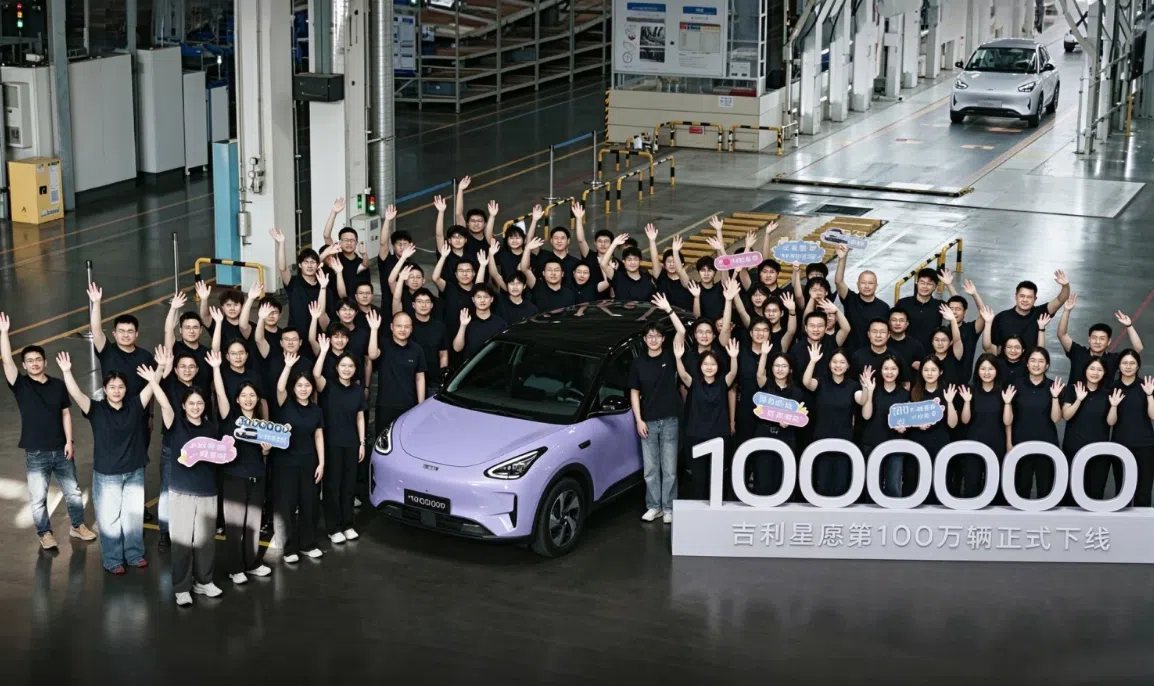
Geely's compact EV hits one million sales in two years
In this issue
Business 234
Geely's compact EV hits one million sales in two years
Culture 271
LS2-Powered 1989 Jeep Wrangler Laredo Heads to Auction
Economy 41
German Economists Set Income Threshold for the Upper Class
News 158
EU Loosens 2035 Emissions Targets in Move That Could Keep Petrol Cars Alive
Politics 115
Burnham launches crackdown on loud music on public transport
Sports 280
Tottenham beat Coventry as De Zerbi faces injury concerns
Technology 320
LiveWire to Unveil Two New Electric Motorcycles at EICMA
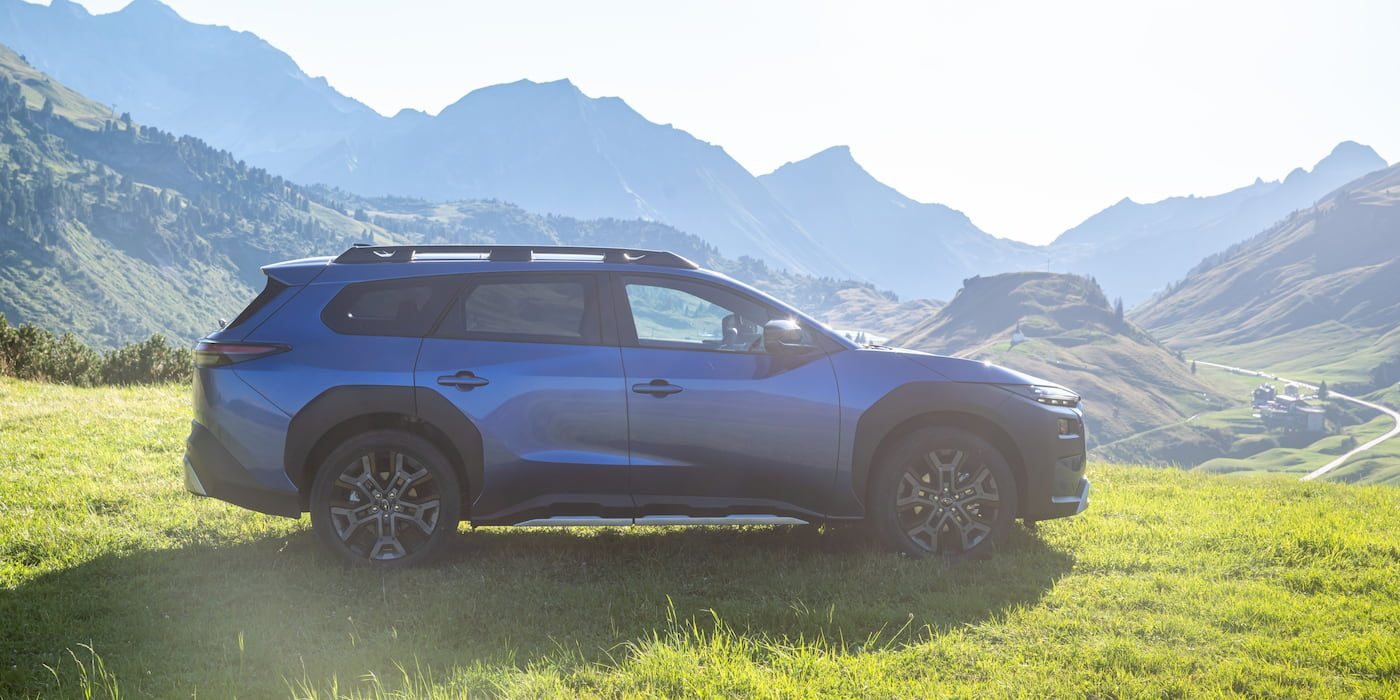
Subaru will phase out combustion-engine vehicles across Europe by the end of 2027, becoming an electric-only brand in the region as it responds to tightening emissions rules and shifting consumer demand.
By Charlotte Redford · 4 min read
Subaru has confirmed it will stop selling combustion-engine vehicles in Europe by the end of 2027, with the Japanese manufacturer set to offer only electric models in the region from that point. The move marks one of the most decisive commitments to electrification made by a smaller global carmaker and signals how pressure from European regulators is reshaping product strategies across the industry.
The decision means Subaru's European line-up will move entirely away from petrol and diesel powertrains within roughly two years. The company has not indicated that the change will affect other markets, where it continues to sell conventional models. Europe has been at the forefront of emissions regulation, with fleet-wide carbon dioxide limits tightening and several national governments setting out timetables for the end of new fossil-fuel car sales.
For Subaru, the shift is significant because the brand has built its reputation on boxer engines and symmetrical all-wheel drive, engineering features closely associated with combustion models. Its European volumes are modest compared with larger rivals, which may make the transition easier to manage commercially but also leaves less room for error in pricing and model choice. The company will need to offer electric vehicles that appeal to existing customers while attracting new buyers in a crowded market.
The announcement reflects a wider pattern among carmakers operating in Europe, where manufacturers are balancing investment in battery-electric platforms against uncertain demand and the cost of compliance. Smaller firms face particular pressure because developing dedicated electric models requires substantial capital, and spreading those costs across limited sales volumes is difficult. Subaru's decision to go electric-only in Europe suggests it sees no viable long-term path for combustion sales in the region.
Details of which electric models Subaru will sell in Europe, and whether they will be produced locally or imported, have not been set out. The company's global electric plans have included partnerships with larger manufacturers to share development costs, a common approach among smaller brands seeking to meet regulatory requirements without bearing the full expense of new platforms alone.
The phase-out also raises questions for Subaru's European dealer network, which will need to adapt showrooms, servicing and staff training to an electric-only range. Dealers have faced similar transitions at other brands, and the pace of change has sometimes strained relationships between manufacturers and retailers.
For British drivers, the change will be felt in the showroom rather than immediately on the road. The UK has its own mandate requiring an increasing share of new car sales to be zero-emission, and manufacturers are already adjusting model ranges accordingly. Subaru's decision means buyers who value the brand's traditional engineering characteristics will eventually have to choose from electric alternatives or look to the used market for combustion models.
The end-of-2027 deadline gives Subaru a relatively short window to complete the transition. Rivals with larger electric portfolios have already begun phasing out certain combustion variants, and the competitive gap in Europe's electric market is widening. Whether Subaru can establish a credible electric identity in Europe before its petrol models disappear will determine how smoothly the change is received by customers and dealers alike.
13