Business 234
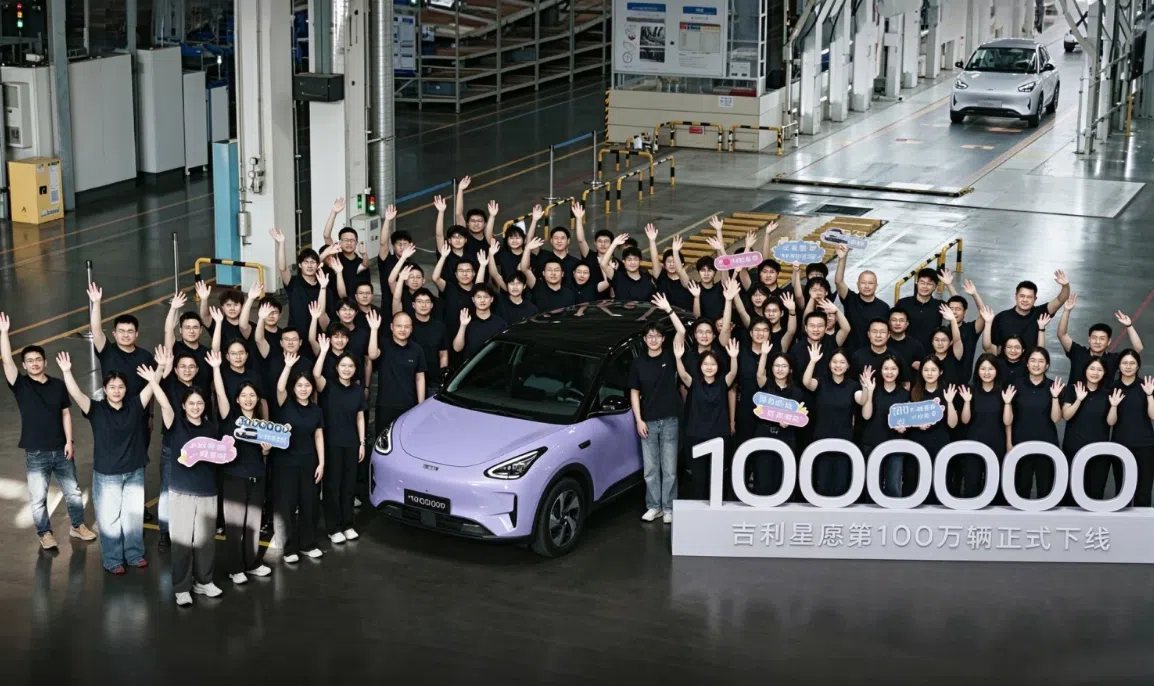
Geely's compact EV hits one million sales in two years
In this issue
Business 234
Geely's compact EV hits one million sales in two years
Culture 271
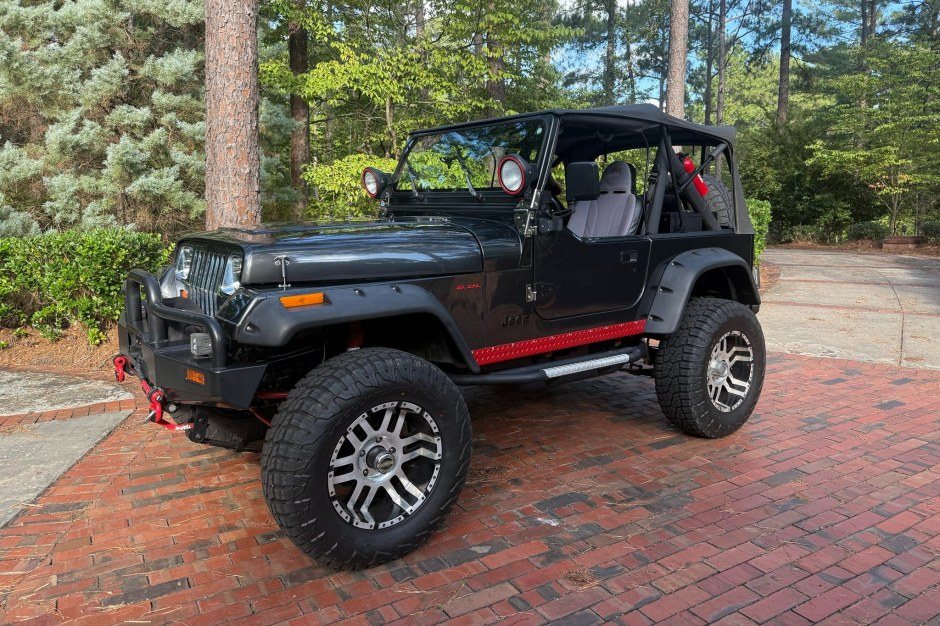
LS2-Powered 1989 Jeep Wrangler Laredo Heads to Auction
Economy 41
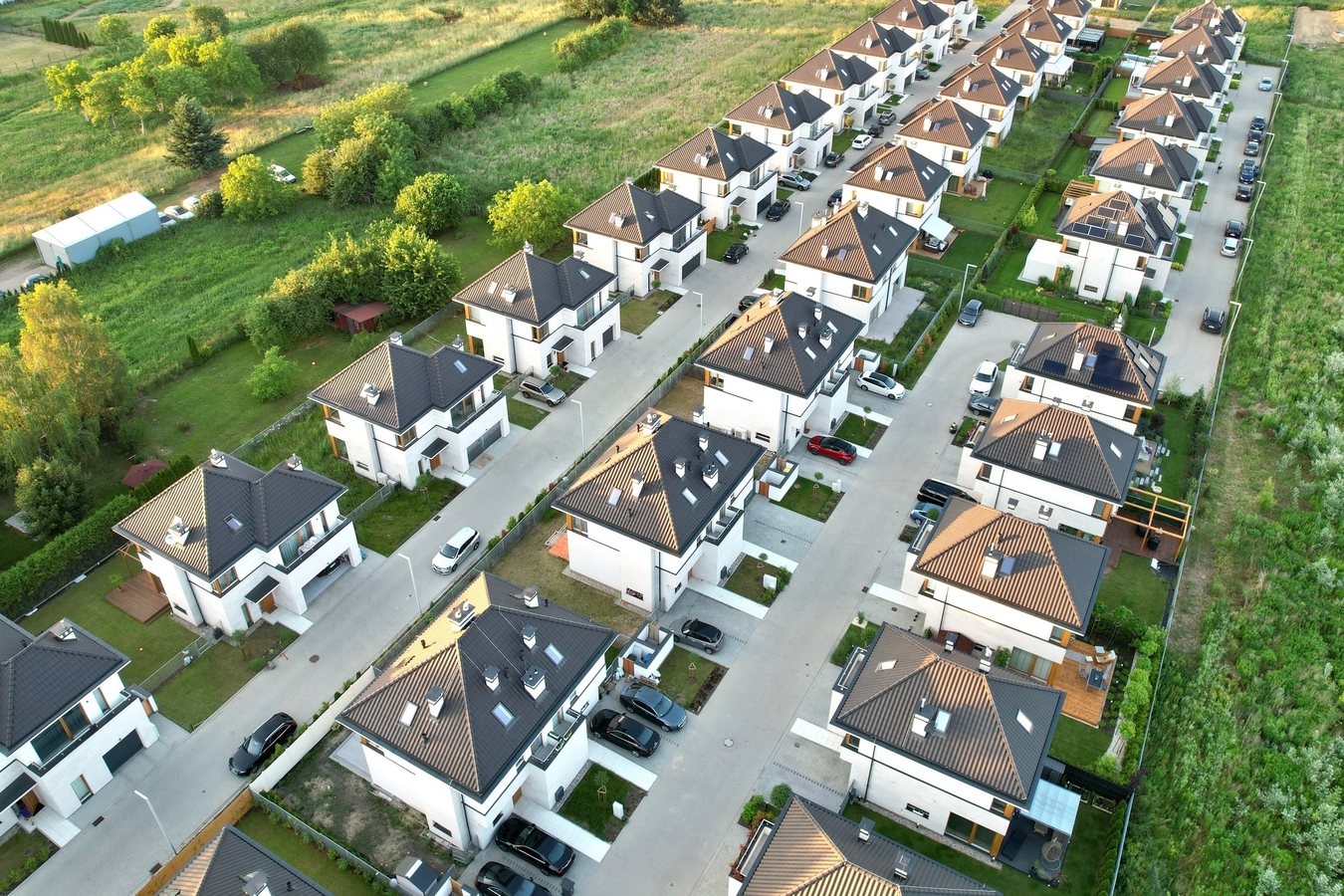
German Economists Set Income Threshold for the Upper Class
News 158
EU Loosens 2035 Emissions Targets in Move That Could Keep Petrol Cars Alive
Politics 115
Burnham launches crackdown on loud music on public transport
Sports 280
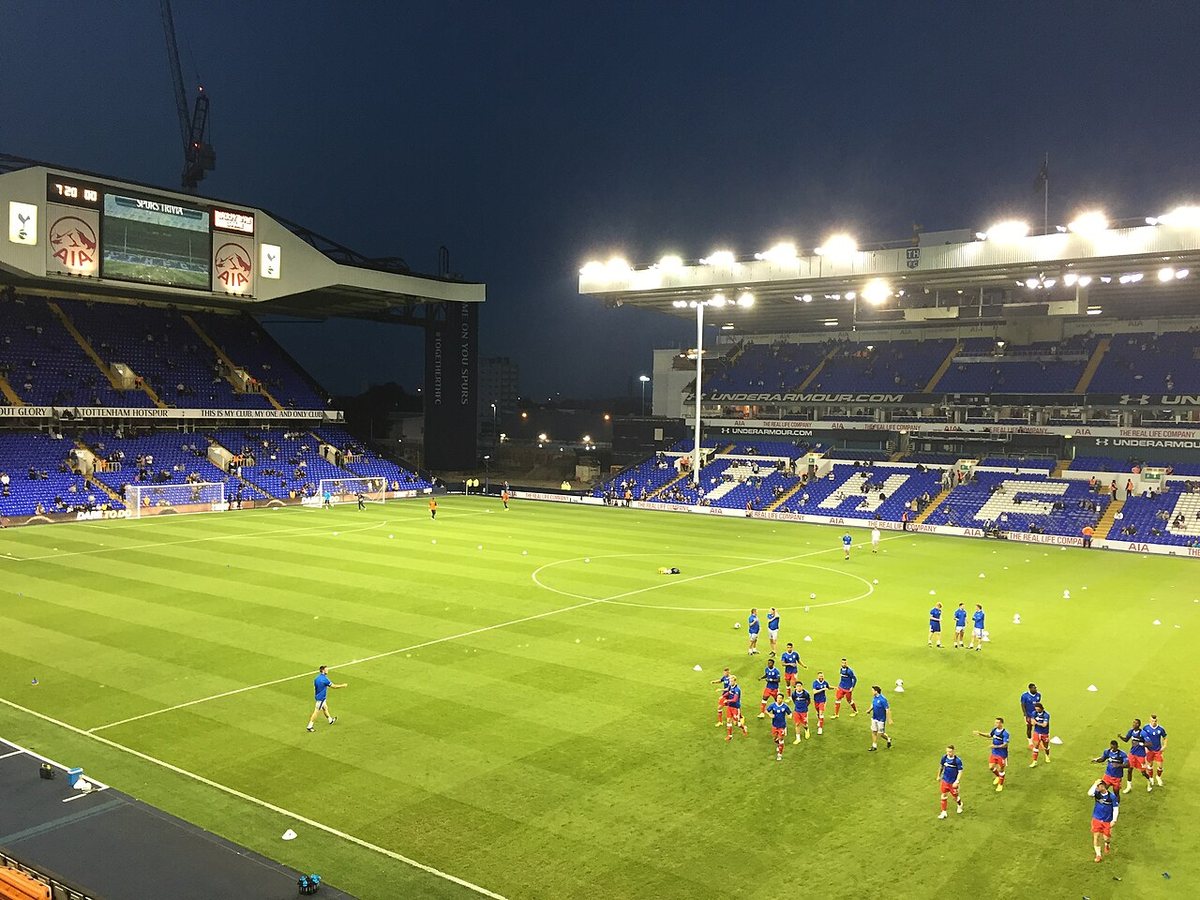
Tottenham beat Coventry as De Zerbi faces injury concerns
Technology 320
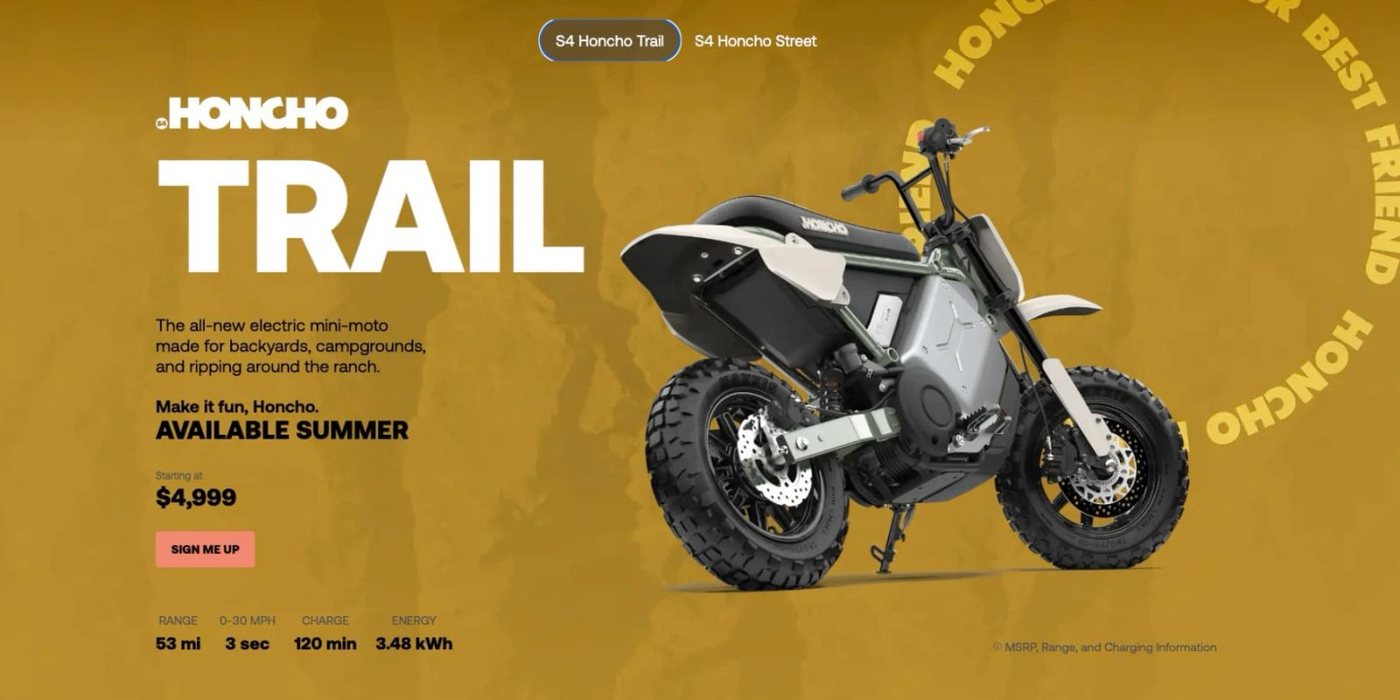
LiveWire to Unveil Two New Electric Motorcycles at EICMA
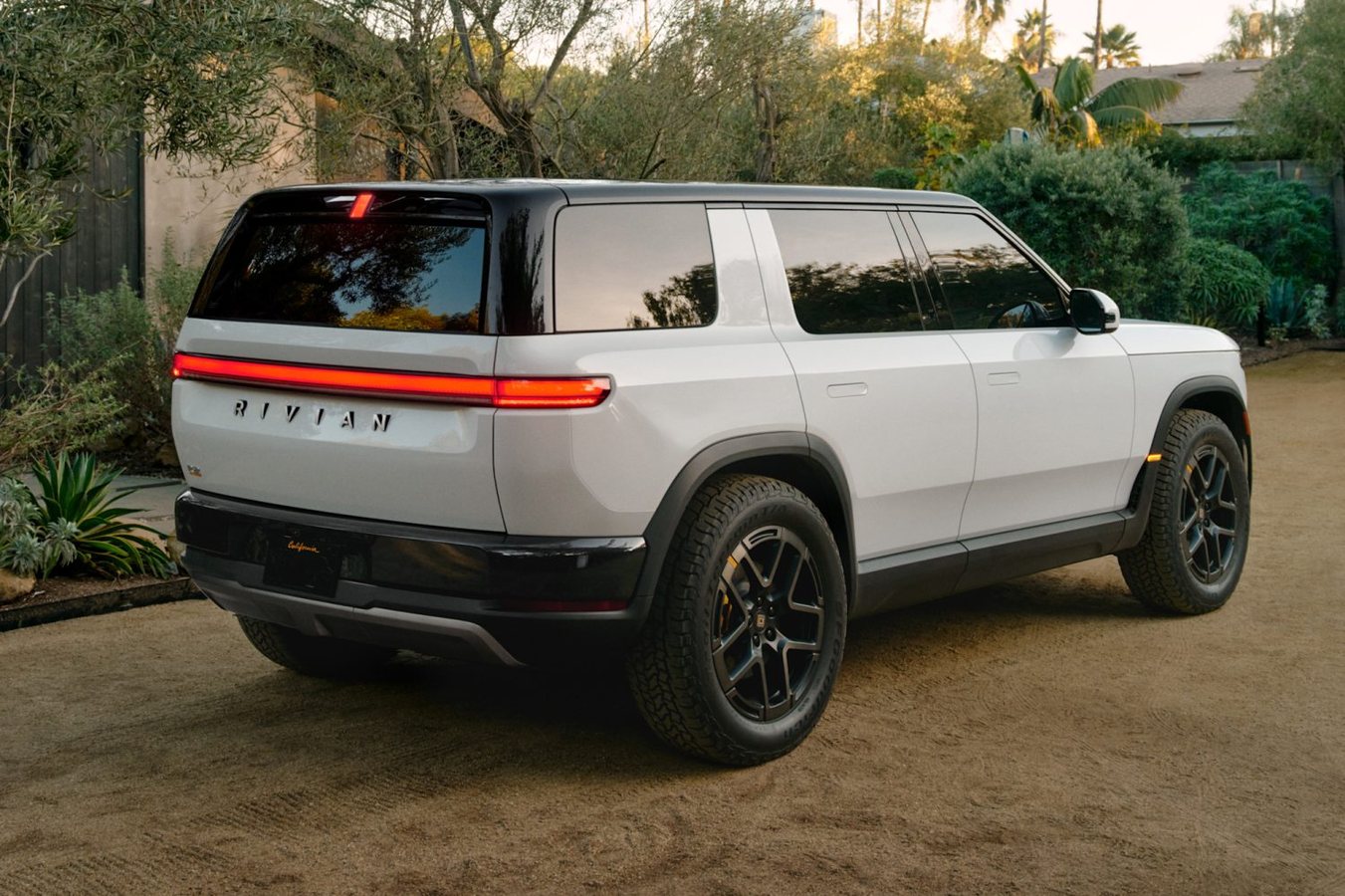
Renault Group boss François Provost says he is relaxed about slow sales of the Alpine A390, arguing the electric SUV's long-term role in nurturing the brand matters more than hitting volume targets.
By Charlotte Redford · 4 min read
Alpine's first SUV has fallen short of its initial sales expectations, but Renault Group chief executive François Provost has said he is unconcerned, insisting the A390 is more valuable as a long-term brand builder than as a volume driver.
The Porsche Macan Electric rival went on sale late last year and, alongside the A290 hot hatch, was meant to transform Alpine from a single sports car into a broader performance EV brand. Sales of the A390 currently sit at around 250 per month — a figure Alpine chief executive Philippe Krief has acknowledged is behind expectations.
Provost suggested the original forecast was simply too ambitious. He said he had warned Krief at launch that the volume projection was too high, telling him: «I think you are much too bullish, your volume will be much lower than that and you should be more reasonable, because the car is super-good.»
He argued that Alpine has a clear product lineage against Porsche and that the A390 is genuinely considered by buyers in the segment, but that the brand loses ground at the pre-selection stage. The reason, he said, is that German premium competitors are cheaper on monthly payments, most likely because they push hard on residual values and discounting.
«Alpine is a great brand, but compared with German premium sporty cars, if the Alpine is more expensive it's not easy,» Provost said. «But the people who drive A390 are super-excited. It's why we have to be a bit humble. It's a long journey and we have to work hard.»
Provost pointed to the delayed US market entry as an example of that humility, and noted that sales of the smaller A290 accelerated after a sluggish start. He said he expects A390 volumes to rise, but that he will not measure the car's success solely by that yardstick.
«I don't care because this is a 20-year journey. I will not kill the brand, the DNA, the asset by being cautious or shaky,» he said. «Maybe at the end we discover the potential of the car is one-third of what we thought. But so what? If the customer is happy, we find a good way to position the car. If this nurtures the brand, I'm fine with it.»
Krief said he shared that relaxed outlook. He noted that the A390 was not initially sold in every country where Alpine operates, and that the GT and GTS variants were not offered from launch — factors that limited the early sales base.
He drew a direct comparison with the A290, which also had a slow ramp-up two years ago before becoming what he described as a big success. Krief also highlighted the A390's high conquest rate, saying that 80% of customers are new to Alpine and new to the Renault Group. «So it's a conquest car,» he said.
The comments underline the balancing act facing Alpine as it expands beyond its low-volume sports car roots. The brand is betting that a patient build — protecting its positioning and pricing rather than chasing headline numbers — will pay off over a longer horizon, even if early monthly sales look modest against the original plan.
12