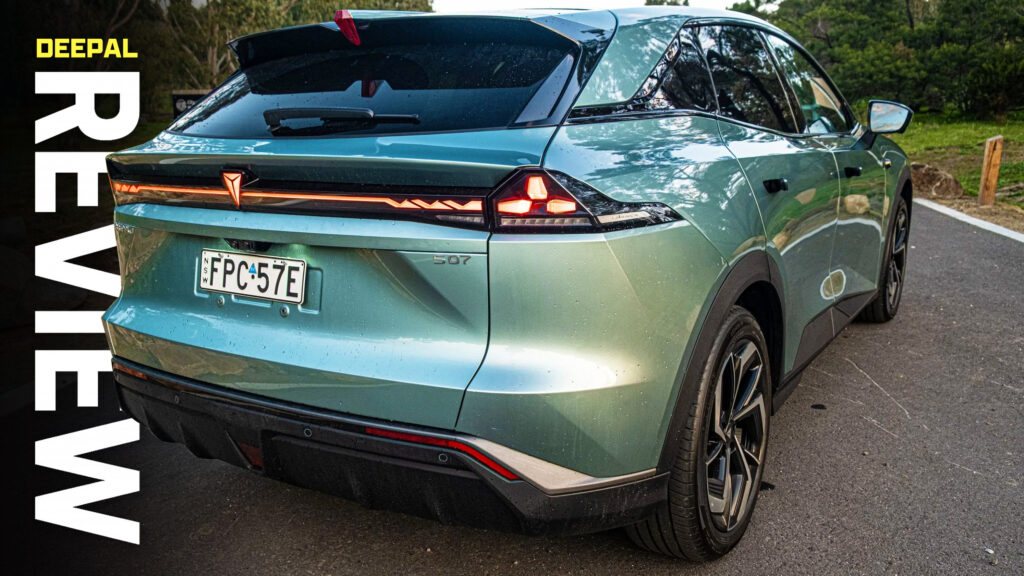
Business 174
Deepal S07 Review: Affordable Electric SUV Takes On Established Rivals
In this issue
Business 174
Deepal S07 Review: Affordable Electric SUV Takes On Established Rivals
Culture 202
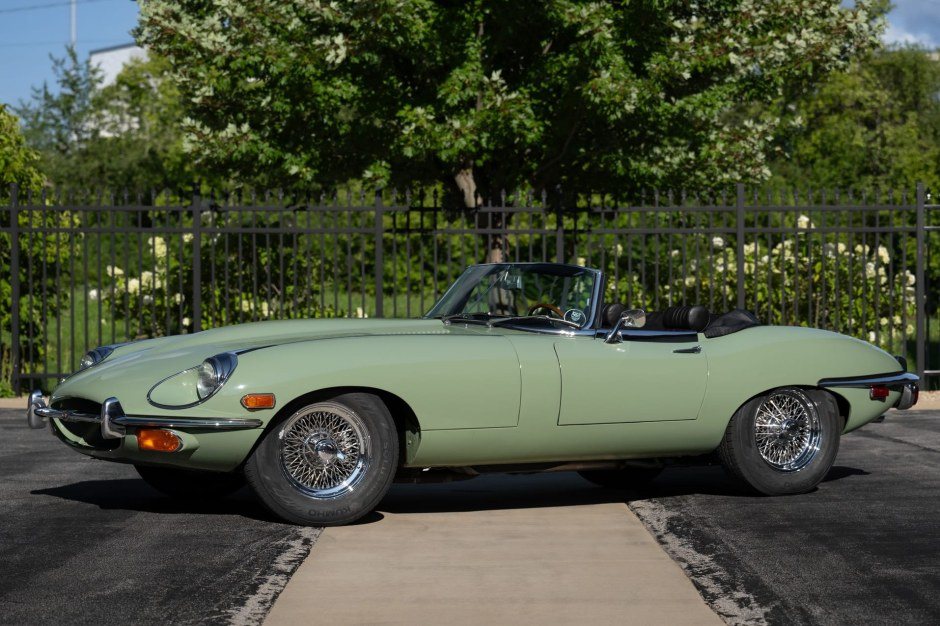
1969 Jaguar XKE Series II Roadster Heads to Auction in Willow Green
Economy 36
G7 Agrees to Release 100 Million Barrels of Diesel and Crude Oil to Ease Price Su…
News 144
Four Arrested and Race Car Seized After Illegal Drag Race on Long Island
Politics 109
Mahmood Opens New Legal Refugee Routes in Labour Conference Speech
Sports 257
Toyota GR Yaris Review: Rally-Bred Thrill at a Steep Price
Technology 221
BMW Confirms Electric M3 Will Drop the «i» Badge
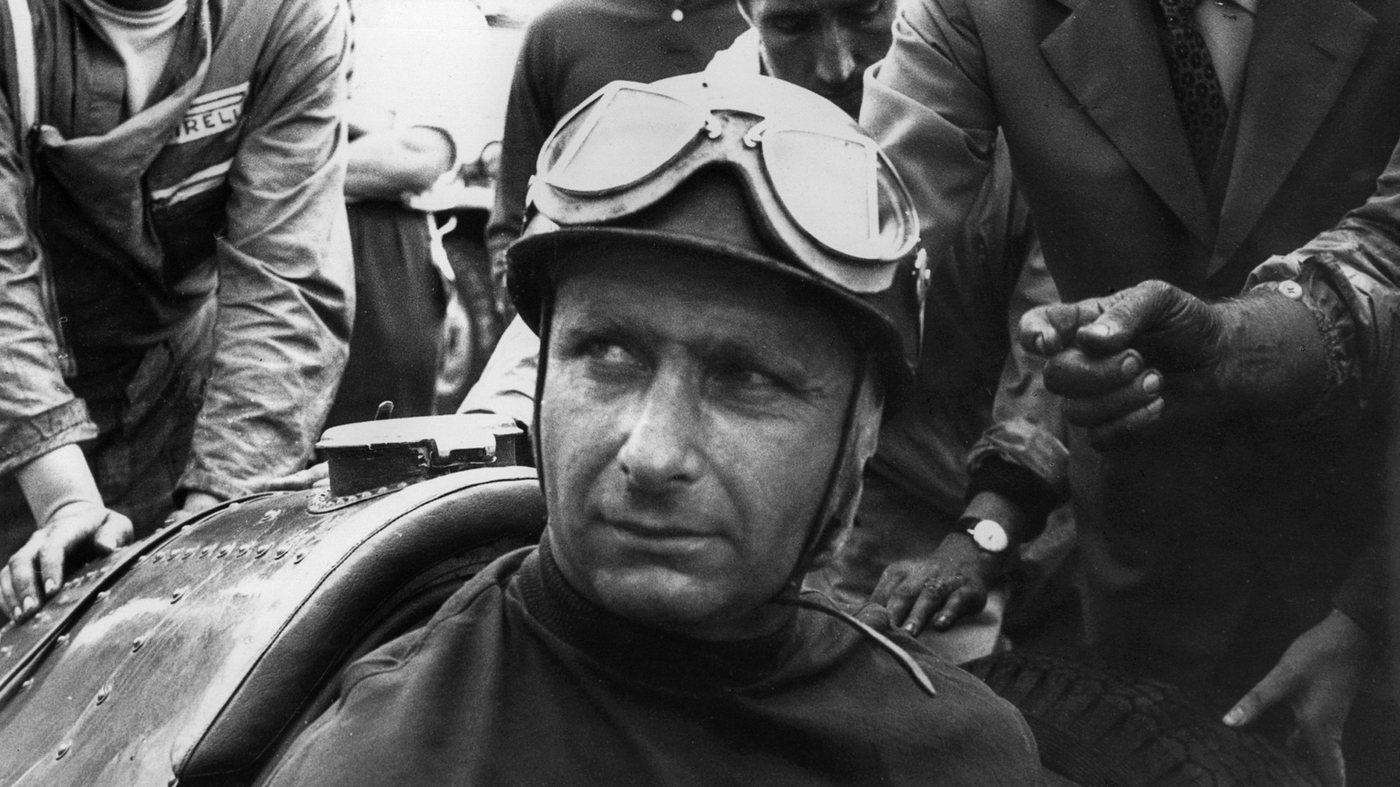
Juan Manuel Fangio remains one of the greatest drivers in Formula 1 history, with a career marked by five world titles and a remarkable win rate. Here are five key facts about the Argentine legend.
By Charlotte Redford · 4 min read
Juan Manuel Fangio, the Argentine driver widely regarded as one of the greatest in Formula 1 history, built a career that still defines excellence in motorsport. His five world championships and extraordinary winning percentage set benchmarks that have rarely been matched. Here are five facts that explain why his legacy endures.
Fangio won the Formula 1 World Championship five times, a record that stood for nearly half a century. He claimed the title in 1951, 1954, 1955, 1956 and 1957. At the time of his final championship, he was 46 years old, making him the oldest driver to win the title — a record that still stands. His ability to compete at the highest level well into his forties remains one of the most remarkable aspects of his career.
His winning rate is among the best in the sport's history. Fangio started 52 Formula 1 races and won 24 of them, a strike rate of 46.15 per cent. He also secured 29 podium finishes and 29 pole positions. In an era when safety standards were minimal and mechanical failures common, such consistency was exceptional. His 1957 German Grand Prix victory, where he recovered from a poor pit stop to overtake both Ferraris and win, is often cited as one of the greatest drives ever.
Fangio's career was not confined to Europe. He began racing in South America, competing in long-distance events such as the Turismo Carretera before moving to Europe. His early success in Argentina earned him a place in the international scene, and he quickly adapted to the demands of Grand Prix racing. He drove for several legendary teams, including Alfa Romeo, Maserati, Mercedes-Benz and Ferrari, winning with each of them — a feat that highlights his versatility and adaptability.
Beyond statistics, Fangio was known for his smooth driving style and strategic intelligence. He often conserved his car and tyres, waiting for the right moment to attack. This approach earned him the nickname «El Maestro» — the Master. His sportsmanship was also widely respected; he was known for helping rivals and for his humility in victory. After retiring from Formula 1 in 1958, he remained involved in the sport as a mentor and ambassador, and he served as honorary president of the Mercedes-Benz club in Argentina.
Fangio's influence extends beyond his own era. Many of the sport's greatest drivers, including Stirling Moss and later champions, have cited him as a benchmark. His five titles were eventually surpassed by Michael Schumacher and Lewis Hamilton, but his winning percentage remains the highest among drivers with more than one championship. In 2011, he was inducted into the FIA Hall of Fame, and his name is still synonymous with the golden age of Formula 1.
His life story also carries a broader cultural significance. Born in Balcarce, Argentina, in 1911, he rose from modest beginnings to become a national hero. His success helped popularise motorsport in South America and inspired generations of drivers from the region. Today, his legacy is preserved through the Museo Juan Manuel Fangio in Balcarce and through the continued admiration of fans worldwide.
For a driver who competed in an era of minimal safety and maximum danger, Fangio's achievements stand as a testament to skill, courage and strategic brilliance. His five championships and 24 wins from 52 starts remain a defining standard in Formula 1, and his nickname «El Maestro» captures the respect he commanded both on and off the track.
8