
Business 176
Costco Executive Members Offered £1,600 Saving on Ineos Grenadier
In this issue
Business 176
Costco Executive Members Offered £1,600 Saving on Ineos Grenadier
Culture 202
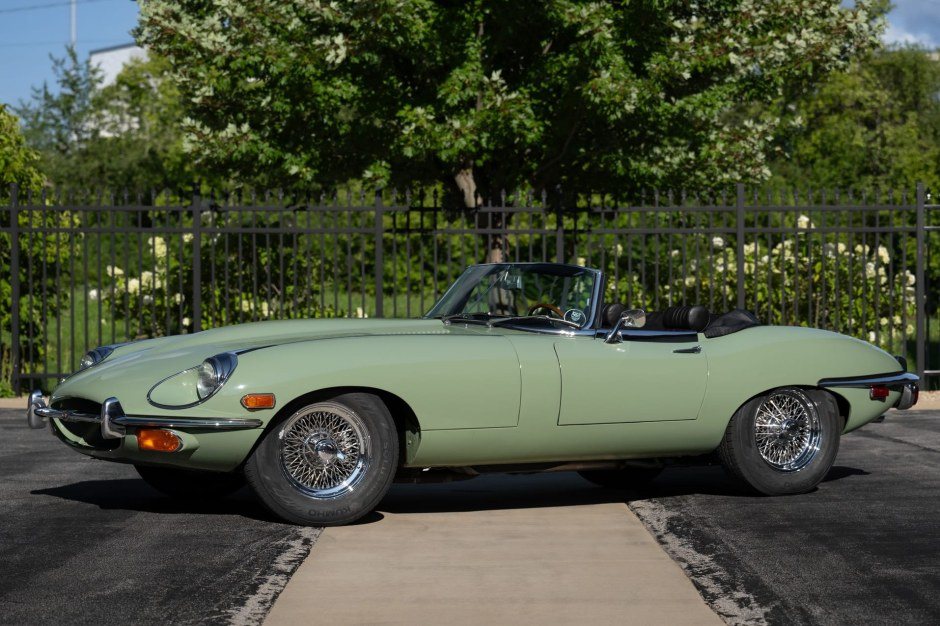
1969 Jaguar XKE Series II Roadster Heads to Auction in Willow Green
Economy 36
G7 Agrees to Release 100 Million Barrels of Diesel and Crude Oil to Ease Price Su…
News 144
Four Arrested and Race Car Seized After Illegal Drag Race on Long Island
Politics 109
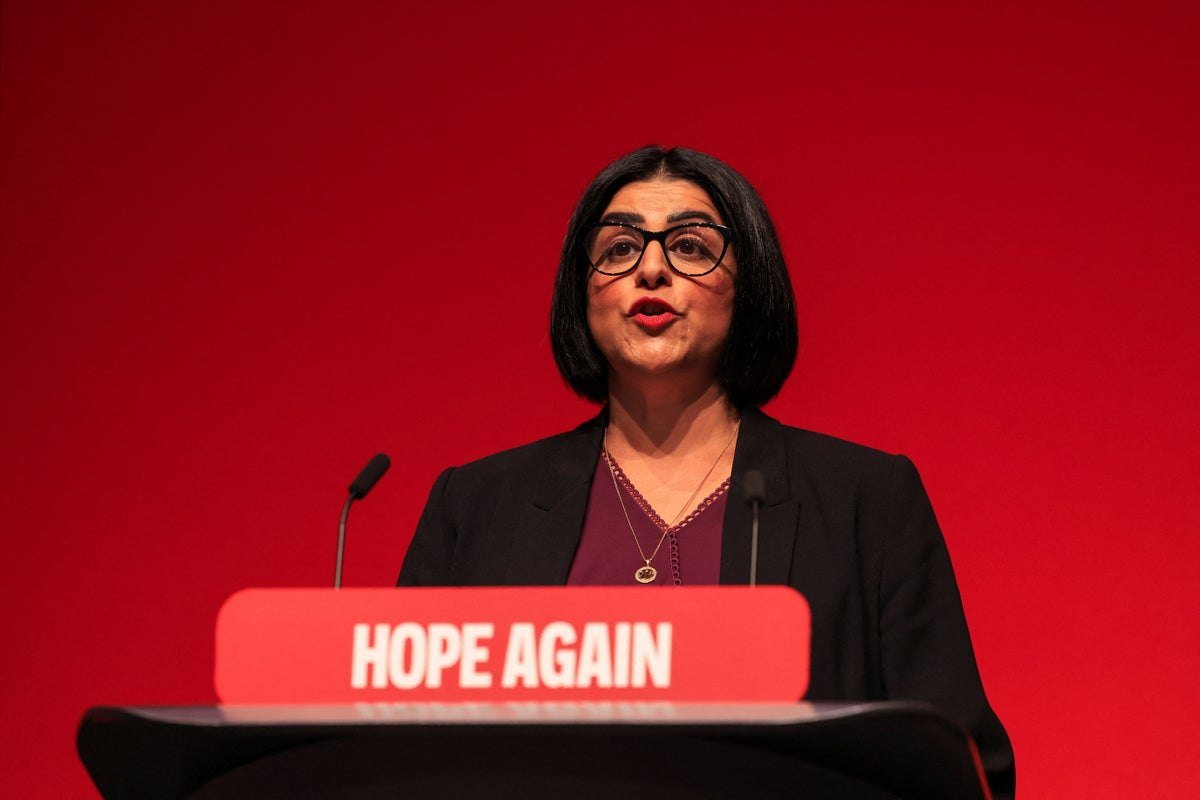
Mahmood Opens New Legal Refugee Routes in Labour Conference Speech
Sports 258
Juan Manuel Fangio: Five Defining Facts of an F1 Legend
Technology 222
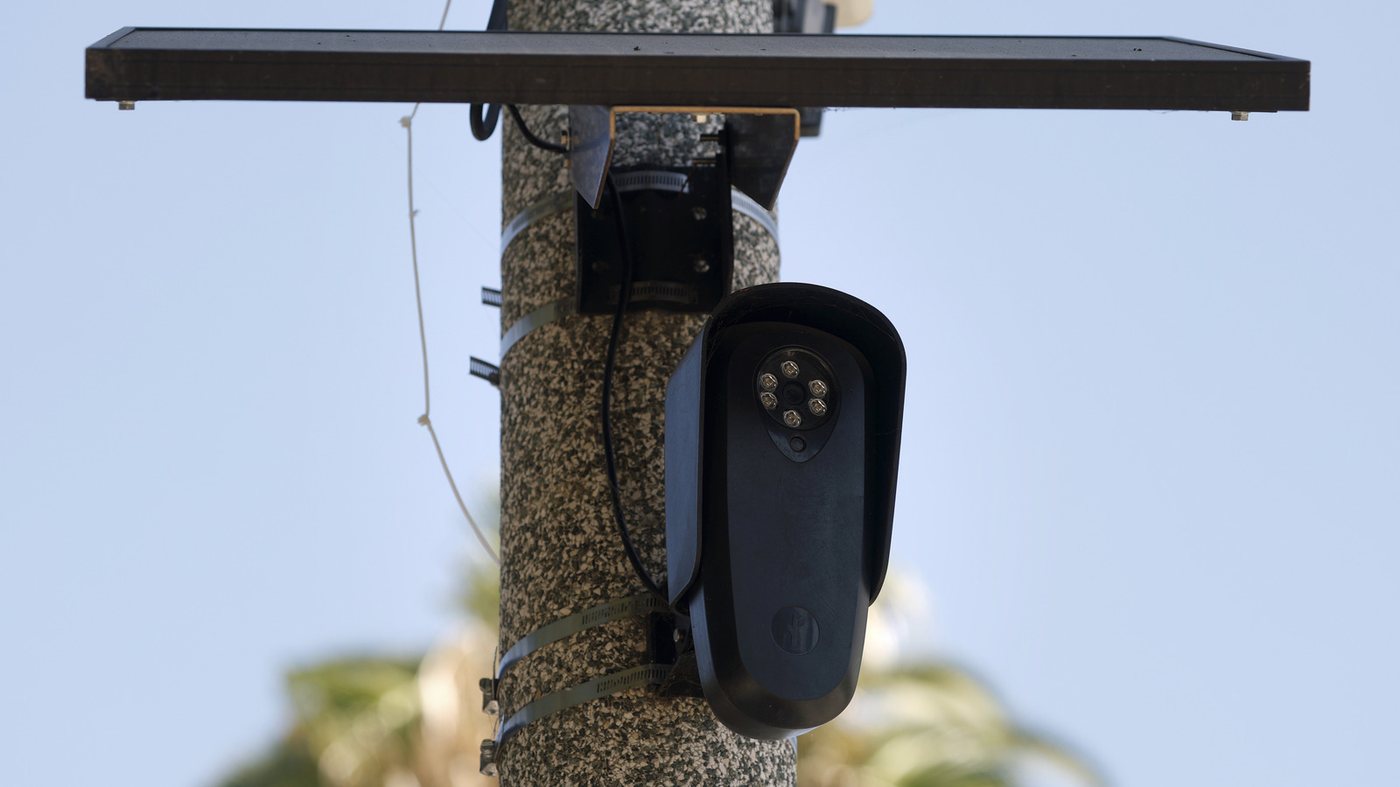
Flock Camera Contracts Dropped by Growing Number of US Cities
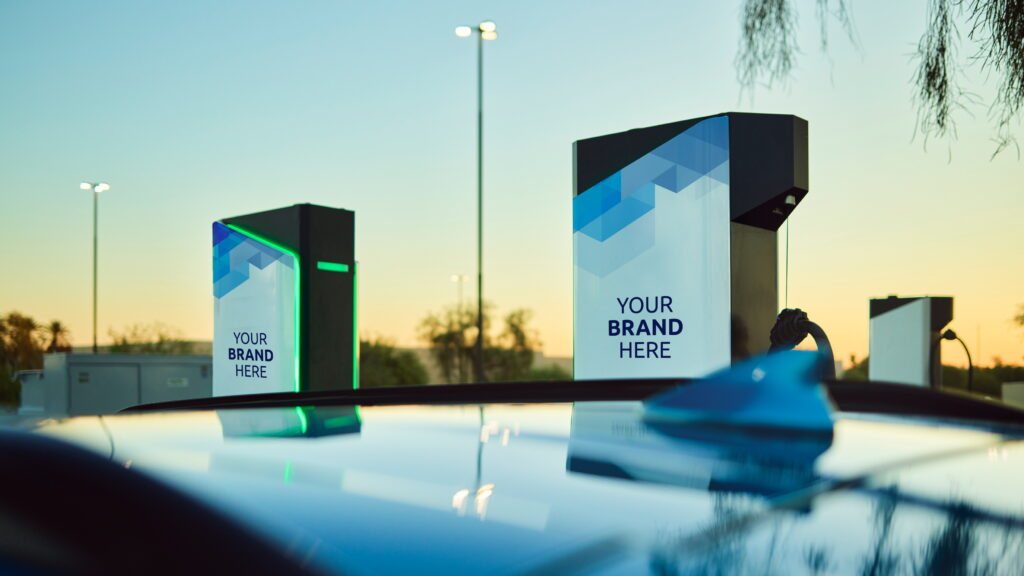
Electrify America is expanding its Powered by Electrify America programme, allowing retailers to own and brand their own EV charging stations while the company handles construction, maintenance and backend support.
By George Kensington · 5 min read
Electrify America is quietly building a second business behind the charging stations that carry its own name. The company's white-label programme, Powered by Electrify America, allows retailers and other businesses to own and brand their own electric vehicle charging networks while Electrify America handles the construction, technology, maintenance and backend support.
The programme is not new — it launched in 2020 — but it has grown steadily to more than 100 stations with nearly 600 chargers. That remains modest next to Electrify America's own network of over 5,600 chargers at more than 1,080 stations, yet it signals a different direction for public charging in the United States. Costco and Wawa are already among the companies using the service.
Under the arrangement, a retailer does not simply host an Electrify America station in its car park. It effectively creates its own charging network. The business owns the equipment and controls branding, pricing and site design. It can fold charging into its own loyalty programmes and access data on station usage, charging sessions and customer behaviour. Electrify America, meanwhile, takes on the work customers never see: site feasibility, permitting, construction, commissioning and ongoing maintenance.
The company's current hardware supports charging rates of up to 350 kW, and its infrastructure is being prepared to support the NACS/J3400 connector, the standard increasingly adopted across the American EV market.
The appeal for retailers is straightforward. A petrol station customer might spend five minutes filling a tank and leave. Electrify America says a typical charging session lasts 20 to 30 minutes — a much longer window in which a driver may spend more at the retailer than they otherwise would. More importantly, retailers do not have to hand the customer relationship to a charging company. They can set their own prices, wrap the equipment in their own branding and use charging to strengthen existing membership or loyalty schemes. That is particularly relevant for a business such as Costco, where membership is already central to the model.
The structure offers something to each side. Electrify America sells its infrastructure and expertise without needing to own every site. Retailers gain a charging network under their own name. Drivers, in theory, get a more uniform and consistent charging experience across more brands and stations — something EV owners in America have been demanding for some time.
The growth of the white-label model also reflects a broader shift in how charging infrastructure is financed and operated. Rather than a single national network bearing the full cost of every site, the burden is shared with the businesses that stand to gain from longer customer dwell times. For retailers with large car parks and loyal customer bases, charging becomes less a courtesy and more a commercial asset.
Electrify America has not disclosed how quickly it expects the programme to expand, but the numbers so far suggest a deliberate rather than rapid build-out. The company's own network remains the larger operation by a wide margin, and the white-label arm is best understood as a complementary channel rather than a replacement.
For British readers watching the development of charging infrastructure on both sides of the Atlantic, the model raises a familiar question: whether branded charging networks will produce the consistency drivers want, or a patchwork of pricing and access rules. Electrify America's answer is that it can supply the technical backbone while letting retailers own the front end. Whether that produces a better experience at the plug will depend on how strictly the company enforces its standards across partners.
What is clear is that the company is increasingly comfortable with drivers not knowing whose technology is under the bonnet of the charger. As long as the equipment works and the sessions are billed correctly, the brand on the outside matters less to Electrify America than the infrastructure on the inside.
7