
Business 211
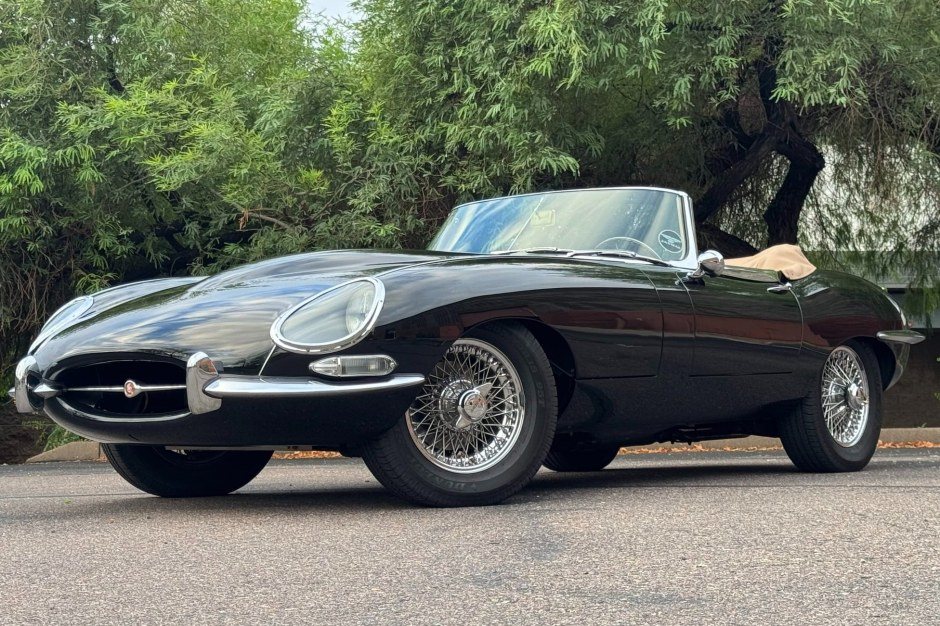
Jaguar Defends Decision to End Petrol Car Production
In this issue
Business 211
Jaguar Defends Decision to End Petrol Car Production
Culture 255
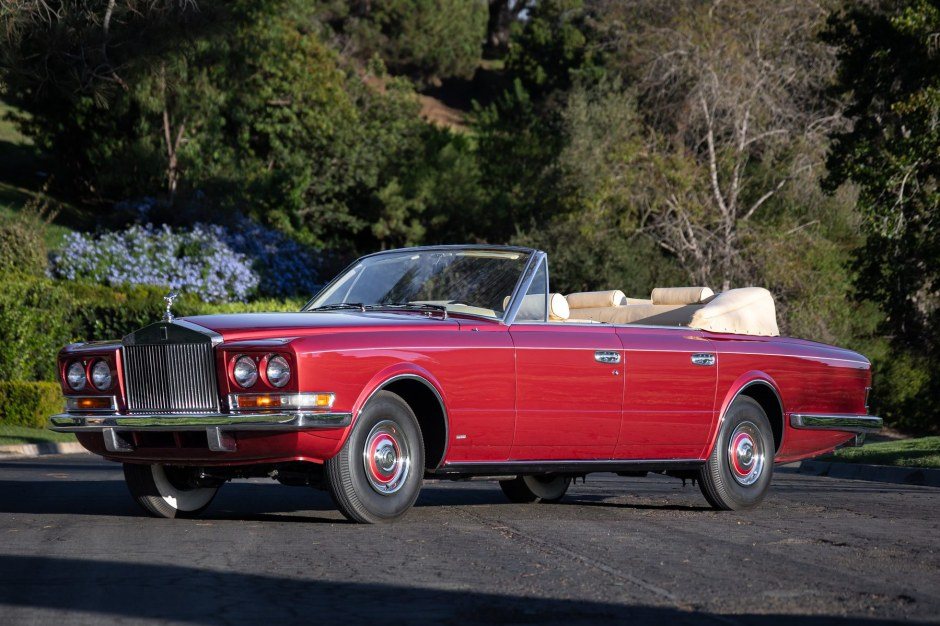
Frua-Bodied 1971 Rolls-Royce Phantom VI Heads to Auction After Pebble Beach Outing
Economy 40
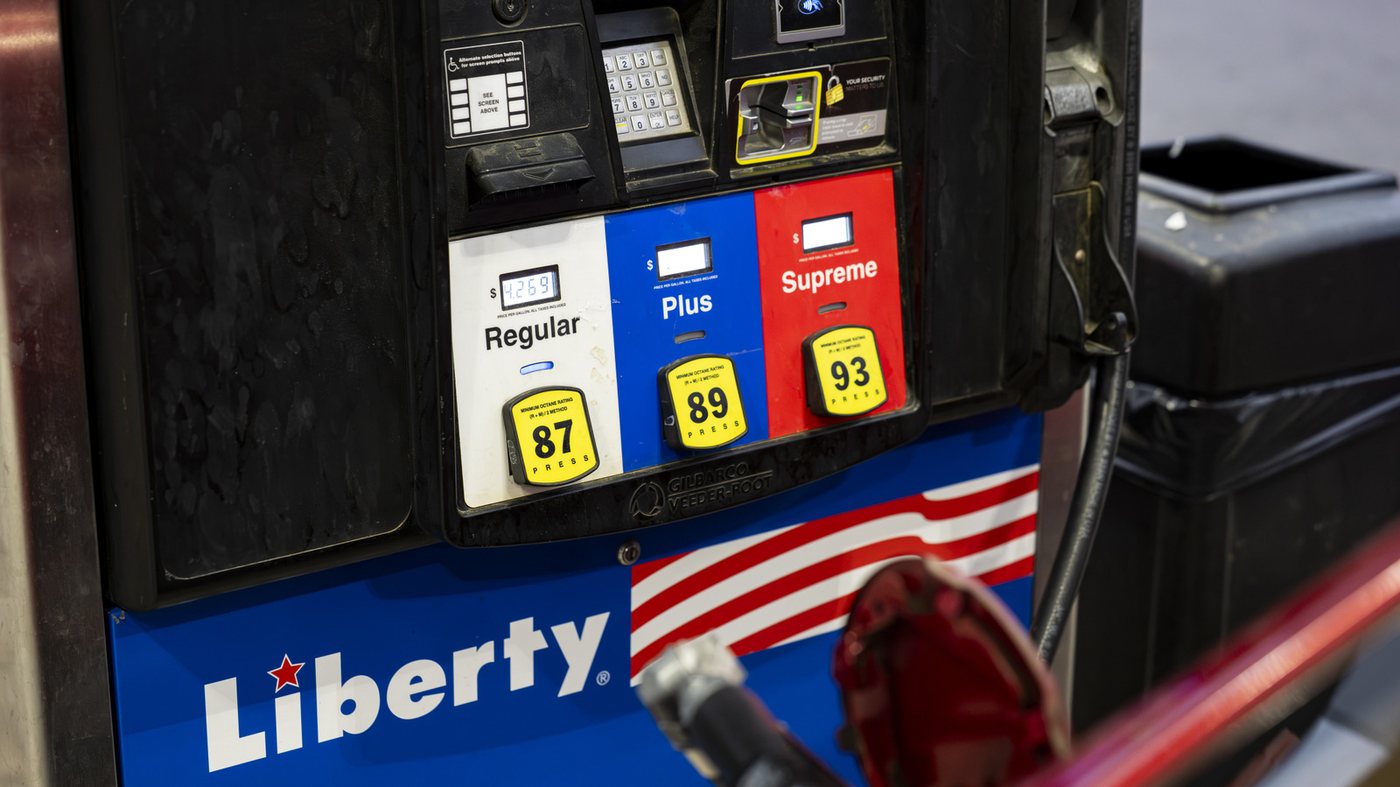
US Petrol Prices Set Record for Longest Stretch Above $4 a Gallon
News 151
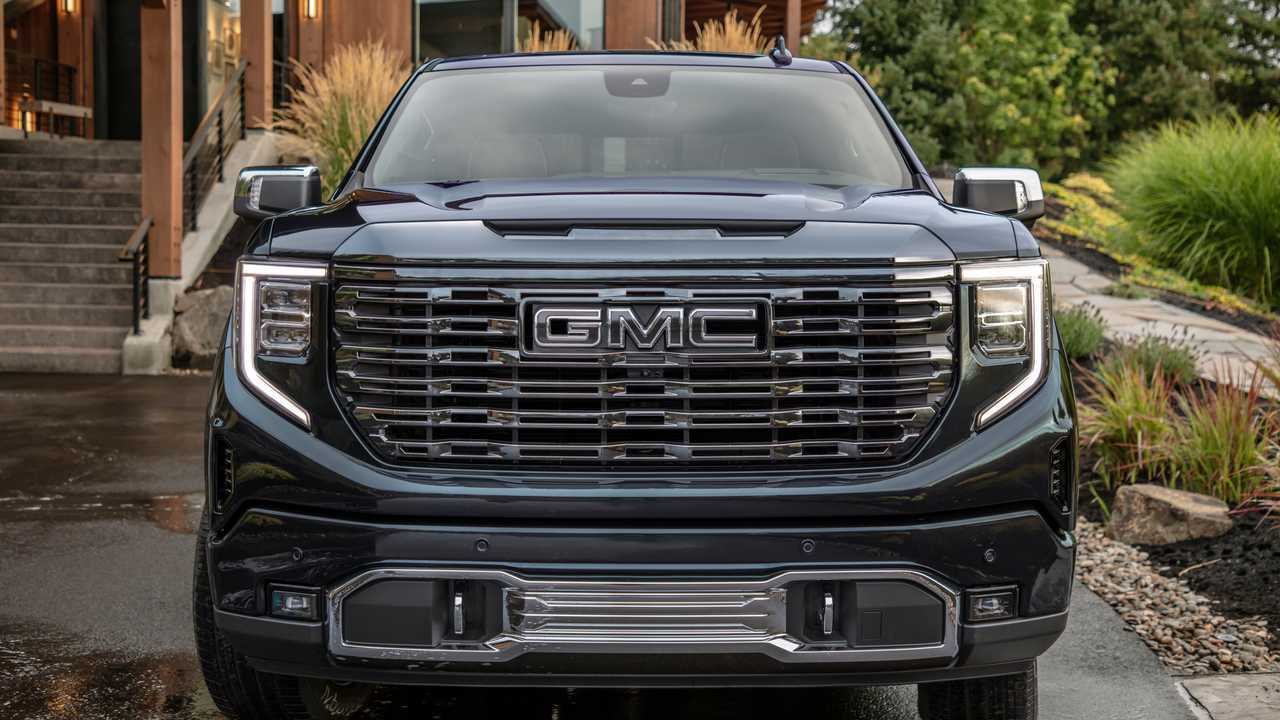
US Safety Agency Investigates 535,000 GMC Sierra Trucks Over Grille Deflector Fau…
Politics 113
Trump Appoints Barbera Thornhill to Lead US Anti-Trafficking Office
Sports 271
Queens Park Rangers to Host Derby County in Championship Clash
Technology 294
BMW i3 Sedan Covers 1,213 Kilometres on a Single Charge

Owning an older, depreciated Aston Martin brings the thrill of a British icon, but routine upkeep can be surprisingly expensive. This article explores the costs and practical strategies for keeping one on the road without breaking the bank.
By Charlotte Redford · 3 min read
Owning an Aston Martin is a dream for many, but the reality of routine maintenance on an older, depreciated model can be a financial shock. Even basic servicing—oil changes, brake pads, and fluid replacements—can cost significantly more than on a mainstream car, and the bills only grow as the car ages. However, for those determined to keep a British icon on the road, there are ways to manage the staggering upkeep costs without sacrificing the experience.
The high costs stem from the brand's use of premium materials, specialised engineering, and a limited network of qualified technicians. Parts are often bespoke, and labour rates at authorised dealers reflect the marque's luxury status. For example, a simple service can run into four figures, while a major one, including cambelt replacement or suspension work, can easily exceed £5,000. Depreciation, ironically, makes the situation worse: as the car's value drops, the maintenance costs remain fixed, creating an imbalance that catches many second-hand buyers off guard.
Yet, enthusiasts have found practical workarounds. Independent specialists, many of whom are former Aston Martin technicians, offer the same level of expertise at a fraction of the dealer price. They often use genuine parts but charge lower labour rates, and some even offer fixed-price servicing plans. Another strategy is to join owner clubs, which frequently negotiate discounts with suppliers and provide access to a community of experienced owners who share advice on common issues and cost-saving tips. Additionally, some owners opt to perform minor tasks themselves, such as changing wiper blades or air filters, to reduce the frequency of dealer visits.
Insurance and warranty options also play a role. Specialist classic car insurers often provide agreed-value policies that can be cheaper than standard cover, and some offer maintenance packages. For older models, an extended warranty from a third-party provider can cover major component failures, though premiums can be high. It's also worth noting that some independent garages offer a 'while-you-wait' service for minor jobs, cutting down on courtesy car costs and downtime.
The key is to plan ahead. Setting aside a monthly budget for maintenance, even when the car is running well, can prevent financial strain when a big bill arrives. Regular use, rather than letting the car sit for months, can also help; it keeps seals and fluids in good condition, reducing the risk of costly failures. Ultimately, while an older Aston Martin will never be cheap to run, a combination of savvy choices—independent specialists, club membership, and proactive care—can make the dream more affordable than many fear.
52