Business 156
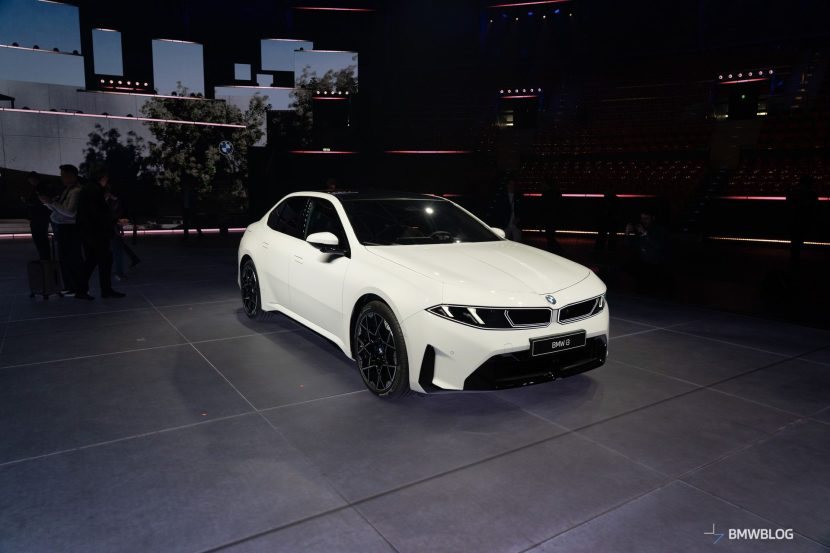
BMW and MINI to Make Greek Debuts at AUTO ATHINA 2026
In this issue
Business 156
BMW and MINI to Make Greek Debuts at AUTO ATHINA 2026
Culture 173
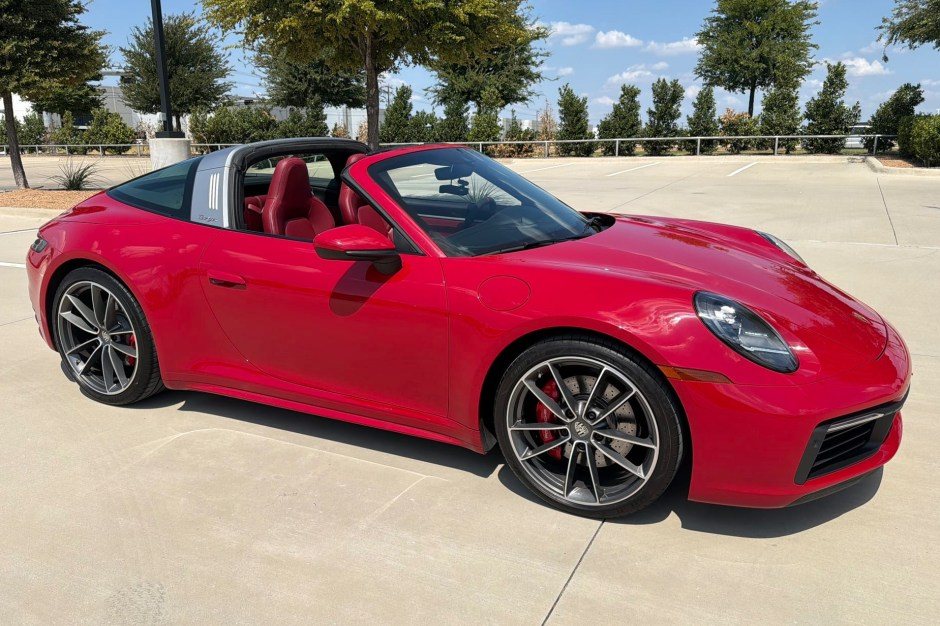
2021 Porsche 911 Targa 4S with Seven-Speed Manual Offered in Texas
Economy 33
Bitcoin and Ethereum Surge to Levels Last Seen in January
News 133
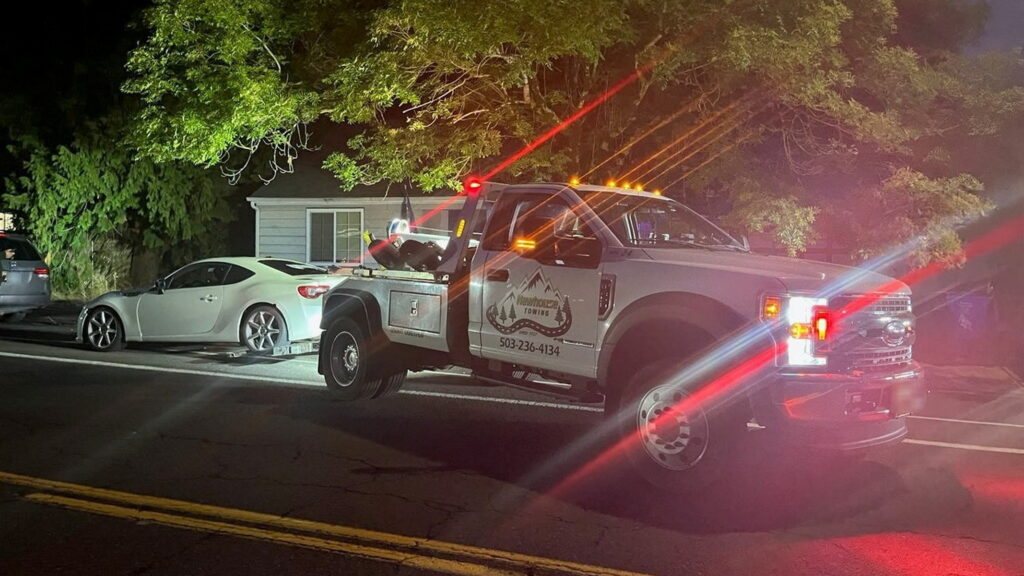
Portland Approves $207,411 Grant to Clear Street Takeovers Within an Hour
Politics 109
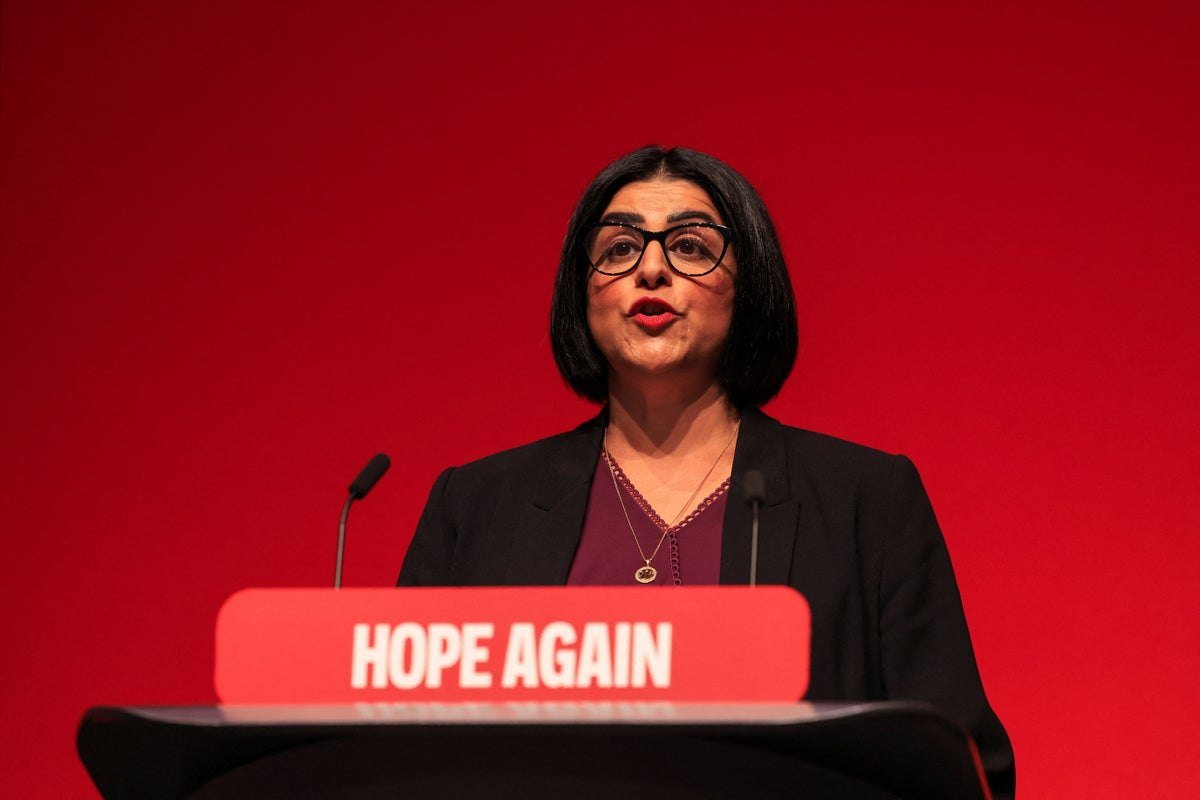
Mahmood Opens New Legal Refugee Routes in Labour Conference Speech
Sports 249
Fantasy Football Leagues Embrace Creative Last-Place Punishments
Technology 183
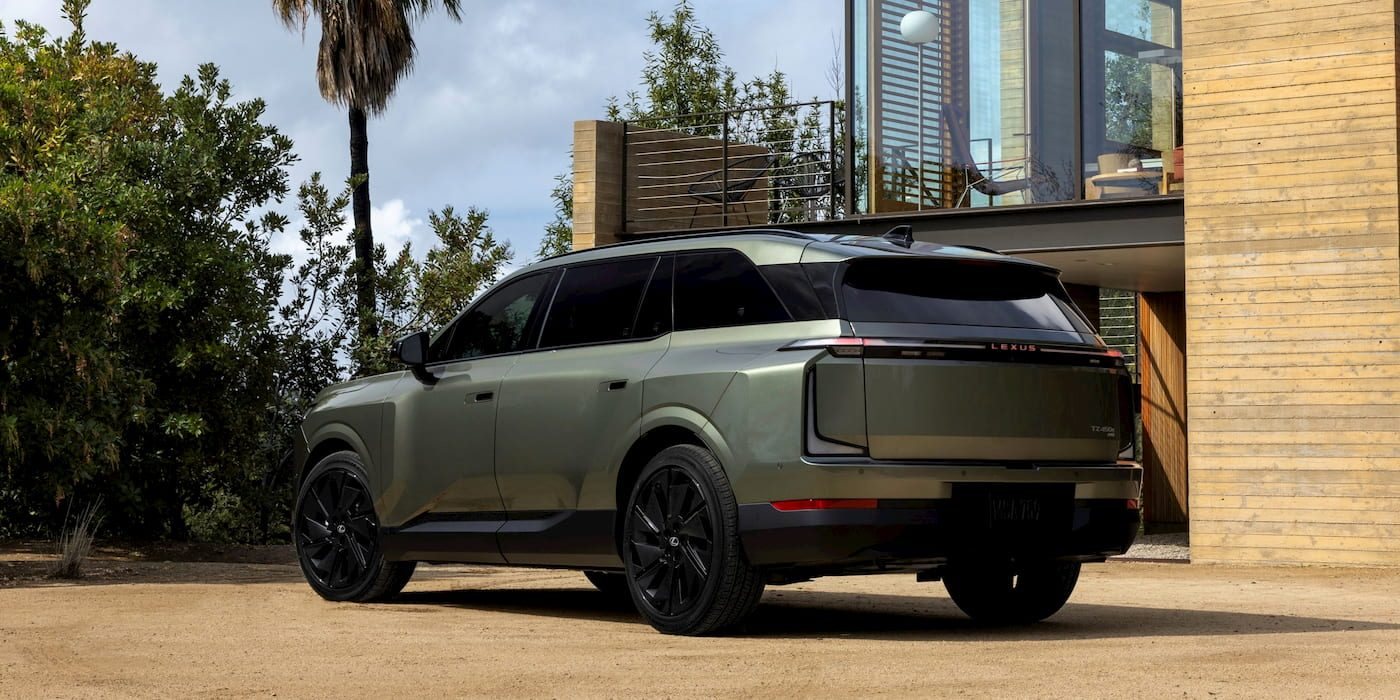
Lexus TZ Electric SUV Priced Under $65,000 With 315-Mile Range
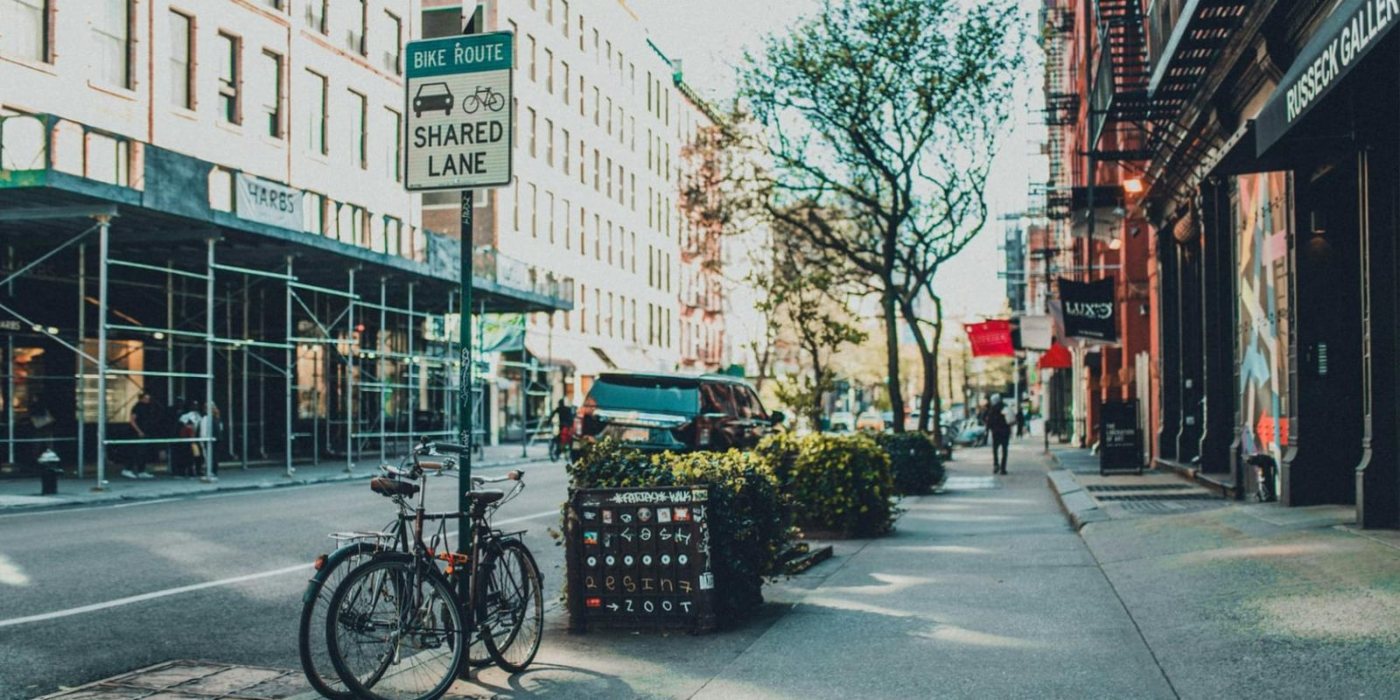
New York City lawmakers are preparing to consider a package of more than 20 bills targeting e-bikes, electric scooters, mopeds, delivery apps and enforcement, including a proposal to outlaw Class 3 electric bikes.
By Edward Beaumont · 4 min read
New York City lawmakers are preparing to consider a sweeping package of micromobility legislation this week, with more than 20 bills aimed at e-bikes, electric scooters, mopeds, delivery apps and enforcement. Among the proposals is a measure that would outlaw Class 3 electric bikes, the faster category of pedal-assist machines capable of reaching speeds of up to 28mph.
The scale of the package marks one of the most significant regulatory interventions into urban micromobility attempted by a major city. It would touch not only the machines themselves but also the digital platforms that dispatch thousands of delivery riders across the five boroughs every day, and the authorities responsible for policing streets that have become increasingly crowded with battery-powered transport.
Class 3 e-bikes occupy a contested position in the law. Unlike Class 1 and Class 2 models, which assist riders up to 20mph, Class 3 bikes are permitted to reach 28mph and are typically barred from certain paths and trails. In New York, they have become a common tool for delivery workers seeking to cover more ground per shift, but critics argue their higher speeds make them difficult to reconcile with busy pedestrian environments.
The proposed bills extend well beyond the question of which bikes may be sold or ridden. Lawmakers are also examining rules for electric scooters and mopeds, the delivery apps that set the terms of work for couriers, and the enforcement mechanisms available to police and regulators. That breadth reflects a growing recognition that micromobility policy cannot be separated from labour conditions, street safety and the commercial incentives built into app-based delivery.
For the city’s delivery workforce, many of whom rely on e-bikes as their primary means of earning a living, the outcome of the deliberations could be profound. A ban on Class 3 machines would force riders to choose between slower equipment and the risk of penalties, while any new licensing or registration requirements would add cost and administrative burden to already thin margins. Delivery platforms, for their part, have largely resisted rules that would make them responsible for the vehicles their couriers use.
Safety advocates have long pressed for clearer standards. They point to the rising number of battery fires linked to poorly manufactured e-bike batteries, as well as collisions involving riders and pedestrians. At the same time, cycling groups warn that overly restrictive rules could push riders back into cars or onto illegal, unregulated machines, undermining the environmental and congestion benefits that micromobility is meant to deliver.
The legislative package arrives as cities across the world grapple with how to integrate lightweight electric transport into streets designed for cars. London, Paris and Amsterdam have each taken different approaches, from speed limits and parking rules to outright bans in certain zones. New York’s decisions will be watched closely as a test of whether a dense, high-demand city can regulate micromobility without crippling the workers who depend on it.
What emerges from the deliberations remains uncertain. The bills must still move through the council process, where they may be amended, combined or dropped. But the direction of travel is clear: after years of rapid, largely unregulated growth, New York is preparing to write the rules for a mode of transport that has already reshaped its streets, its economy and the daily lives of tens of thousands of residents.
3