
Business 143
Volkswagen registreert ID7 X, ID8 X en ID9 S als nieuwe modelnamen
In this issue
Business 143
Volkswagen registreert ID7 X, ID8 X en ID9 S als nieuwe modelnamen
Culture 150
Max Mara champions understated elegance at Milan Fashion Week
Economy 33
Bitcoin and Ethereum Surge to Levels Last Seen in January
News 131
Sarandon and Einbinder arrested at anti-Netanyahu protest in New York
Politics 108
US Lawmakers Move to Permanently Ban Chinese Cars
Sports 246
Alonso Buys Most Expensive Bugatti Veyron Ever Built
Technology 163
Chevrolet Builds Two Corvette Generations at Once for the First Time
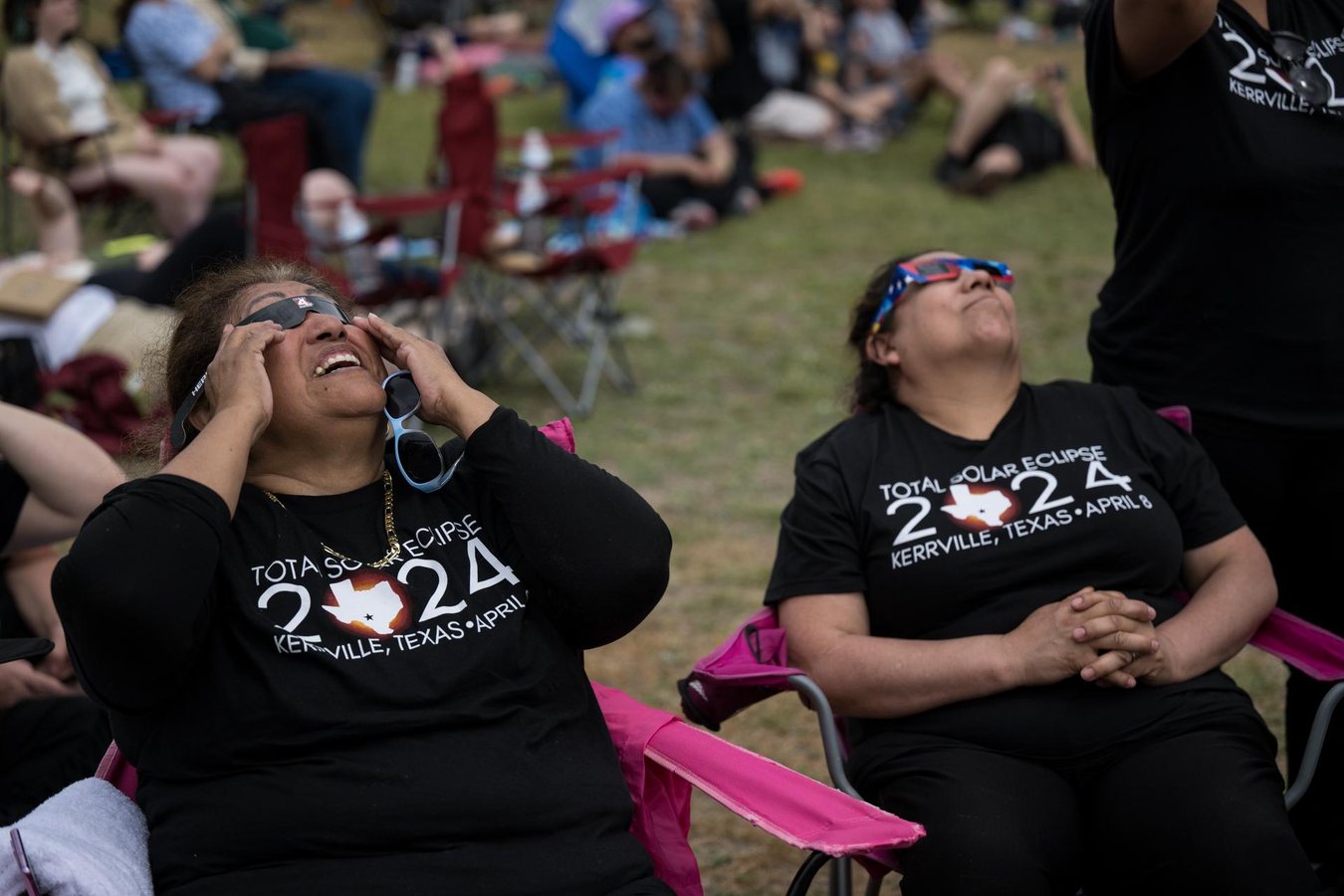
Britain will see its deepest solar eclipse of the century so far. London peaks around 19:13, while Cornwall and west Wales get an even stronger partial phase.
By Charlotte Redford · 4 min read
Britain will not enter the path of totality on 12 August, but the evening still brings one of the strongest solar eclipses visible from the UK this century. Across the UK and Ireland, roughly 90 to 96 per cent of the Sun will be obscured at maximum, with the strongest views generally towards the south-west.
In London, the partial eclipse begins at about 18:17. Maximum comes around 19:12–19:13, when roughly 90–91 per cent of the solar disc is obscured, and the event ends around 20:06. Cornwall is closer to 95 per cent, while Pembrokeshire is around 94 per cent.
Those numbers make the south-west attractive, but the most important piece of geography is much smaller: the line of sight from where you are standing to the western horizon.
Find a west-facing view before chasing percentages
The eclipse happens late in the day. The Sun will be low in the west, so hills, buildings and trees can cut off the view long before the sky itself becomes dark.
A high point can help, but only if it has a genuinely open western aspect and can be reached safely. A field, coastal viewpoint or broad park can work just as well. It is worth visiting the site beforehand at a similar hour to see where the Sun actually sits relative to the local skyline.
The latest national picture is encouraging. A Met Office spokesman said most of the UK should have excellent opportunities to see the eclipse, although cloud and haze will still vary locally. Because the event is low on the horizon, a narrow strip of cloud to the west may matter more than an otherwise bright afternoon.
Eclipse glasses are compulsory in Britain
The UK sees only a partial eclipse, so there is no stage at which it is safe to look directly at the Sun without protection. Eclipse viewers should comply with ISO 12312-2. Regular sunglasses, smoked glass and improvised dark filters are not safe substitutes.
Binoculars, telescopes and cameras need a dedicated solar filter over the front of the optical system. Eclipse glasses worn by the observer do not make it safe to look through an unfiltered telescope or pair of binoculars.
If the glasses are old, damaged, scratched or punctured, replace them rather than taking a chance. The remaining sliver of Sun at 90 or 95 per cent obscuration is still bright enough to damage eyesight.
What if cloud wins?
Royal Observatory Greenwich is planning a free online broadcast from 18:10 to 20:00. That gives viewers a fallback if their own western horizon is blocked and a useful companion stream for comparing the progress of the eclipse.
A phone can also be useful for weather radar and timing, but photographing the Sun requires care. During the partial phase the camera should have an appropriate solar filter. Digital zoom usually adds little real detail; a stable composition showing the landscape and people may produce a better record of the evening.
Stay out for the Perseids
The sky has a second act after sunset. The Perseid meteor shower peaks on the night of 12–13 August. The New Moon means there will be little moonlight, and NASA says ideal dark locations may see roughly 50 to 100 meteors an hour.
That makes a rural eclipse trip unusually efficient. The first half of the evening needs a clear western horizon. The second needs darkness and patience. Britain’s next total solar eclipse is not due until 2090, so this partial event is worth treating as more than a brief glance from the window — but the best plan remains simple: certified glasses, a safe west-facing site and a weather check before setting off.
66