Business 141
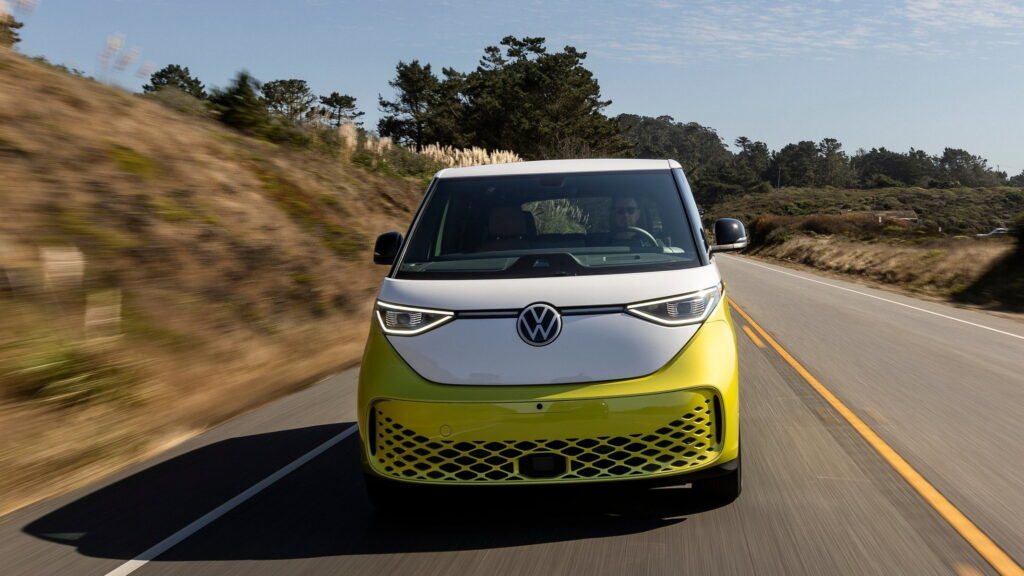
Volkswagen Delays ID. Buzz Return to 2028 Model Year
In this issue
Business 141
Volkswagen Delays ID. Buzz Return to 2028 Model Year
Culture 150
Max Mara champions understated elegance at Milan Fashion Week
Economy 33
Bitcoin and Ethereum Surge to Levels Last Seen in January
News 132
Sarandon and Einbinder arrested at anti-Netanyahu protest in New York
Politics 108
US Lawmakers Move to Permanently Ban Chinese Cars
Sports 246
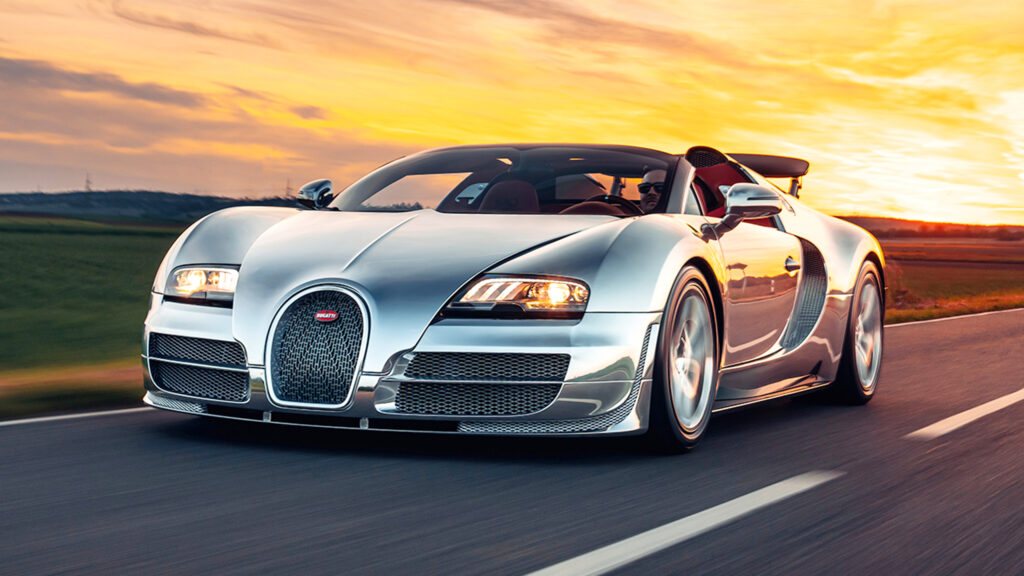
Alonso Buys Most Expensive Bugatti Veyron Ever Built
Technology 163
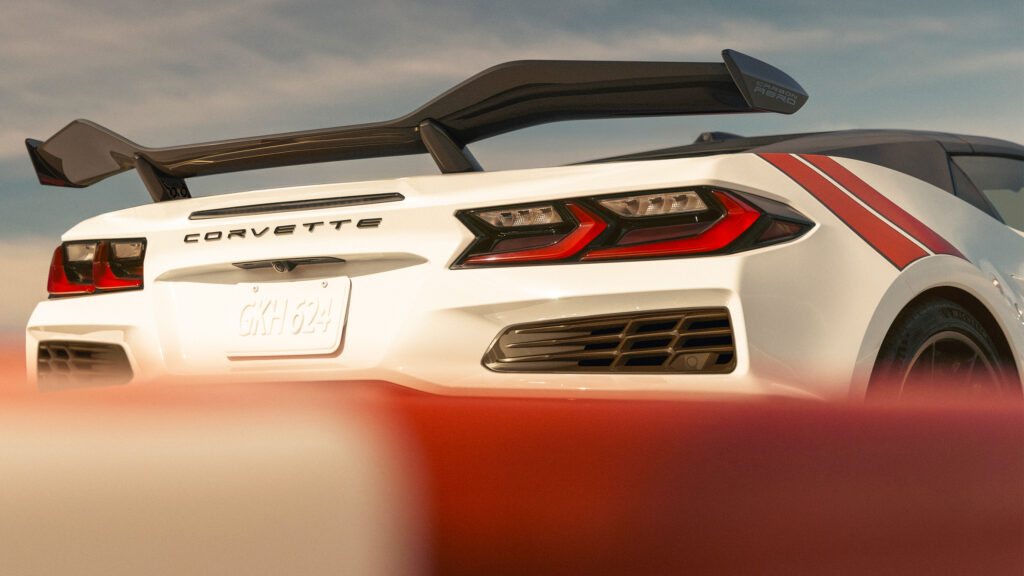
Chevrolet Builds Two Corvette Generations at Once for the First Time
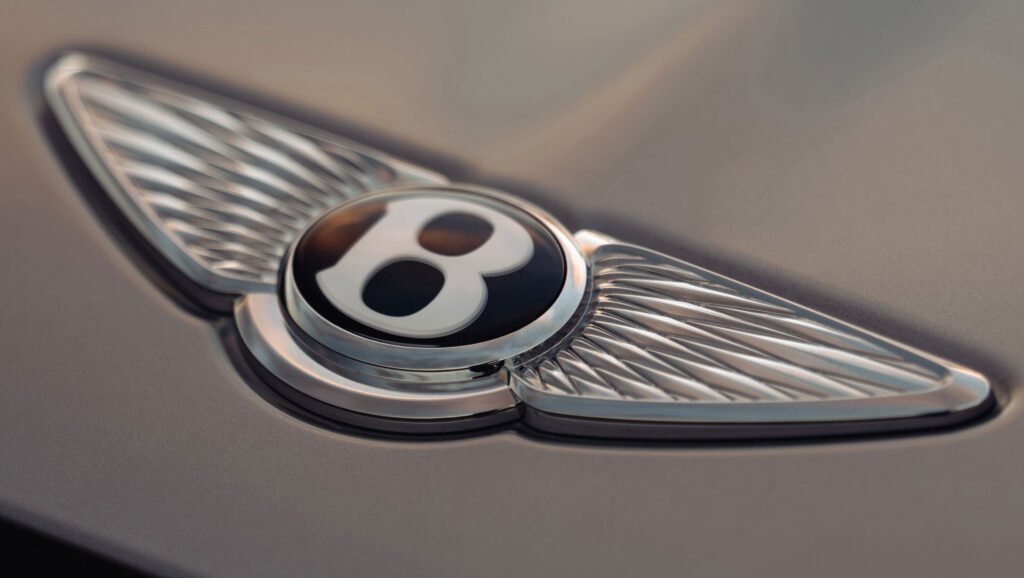
Bentley is embracing flexibility after scrapping its EV-only strategy, with CEO Frank-Steffan Walliser saying stable long-term planning is no longer possible as consumer demand and regulation shift.
By Eleanor Ellington · 4 min read
Bentley has abandoned its plan to become an electric-only brand by 2030 and is instead embracing a flexible approach to powertrains, as chief executive Frank-Steffan Walliser warns that the era of predictable long-term planning in the car industry is over.
The British luxury marque once set out ambitious electrification goals under its Beyond 100 initiative, unveiled in 2020, which promised to drop conventionally powered vehicles by 2026 and offer only plug-in hybrids or electric vehicles. The brand was then scheduled to go EV-only by 2030. Those targets have now been quietly shelved.
Bentley's first electric vehicle, the Torcal, arrived nearly a year behind schedule and offers a range of up to 375 miles (604 km). Reaction to the model has been mixed, and it will reportedly be Bentley's only electric vehicle for years to come, with the next EV not expected until after 2030.
Walliser told Autocar that the company was right to tap the brakes on electrification, arguing that consumers are not ready to go fully electric and regulators have backed down from ambitious adoption timelines. «In the past, you made a plan for 10 years and then you just went with it. We delivered the cars in a relatively stable environment. It's not the case anymore,» he said.
Instead of a fixed roadmap, Bentley is working on building plug-in hybrids and EVs on the same production line, allowing it to adapt more easily to changes in demand and regulatory requirements. The company is also shortening its development cycles. It currently takes four years to create an all-new model, and Bentley wants to reduce that to three years.
The shift stands in sharp contrast to rival Rolls-Royce, which introduced the Spectre in 2023 and is preparing to launch an electric crossover that has been spied testing on multiple occasions. Bentley's more cautious path reflects a broader recalibration across the luxury car sector, where early electrification targets have collided with softer-than-expected consumer uptake and shifting government policy.
Walliser also ruled out a plug-in hybrid variant of the Torcal, explaining that the crossover rides on an EV-only platform and adding an engine would create unnecessary overlap with the Bentayga. The decision leaves Bentley with a clear separation between its electric and combustion-powered line-ups for now.
The Torcal's mixed reception and delayed arrival underline the challenges facing legacy manufacturers as they attempt to balance investment in electric technology with the continuing demand for traditional powertrains. Bentley's willingness to keep both options in production suggests the company is prioritising commercial resilience over a fixed ideological commitment to electrification.
For a brand built on long lead times and carefully managed exclusivity, the move to shorter development cycles and shared production lines represents a significant cultural shift. Walliser's comments suggest Bentley now views uncertainty not as a temporary disruption but as a permanent condition of the market.
The company has not announced a revised date for going fully electric, and its next EV remains several years away. In the meantime, plug-in hybrids and conventionally powered models will continue to form the backbone of its range as Bentley navigates what its chief executive describes as an unpredictable world.
4