Business 110
Dacia CEO Urges EU to Freeze Small Car Rules to Cut Prices
In this issue
Business 110
Dacia CEO Urges EU to Freeze Small Car Rules to Cut Prices
Culture 89
1988 Porsche 911 Carrera Targa G50 with Rebuilt Engine Heads to Auction
Economy 30
HMRC is writing to low earners about pension top-ups averaging about £70
News 124
Aftermarket Trackers Recover 99% of Stolen Cars as Factory Systems Fail
Politics 104
Met police open inquiry into alleged foreign donations to Reform UK
Sports 230
AMG GT Black Series Spied With Radical Aero Ahead of Nürburgring Record Attempt
Technology 117
BMW Confirms Next 3 Series Will Retain Plug-In Hybrid Power
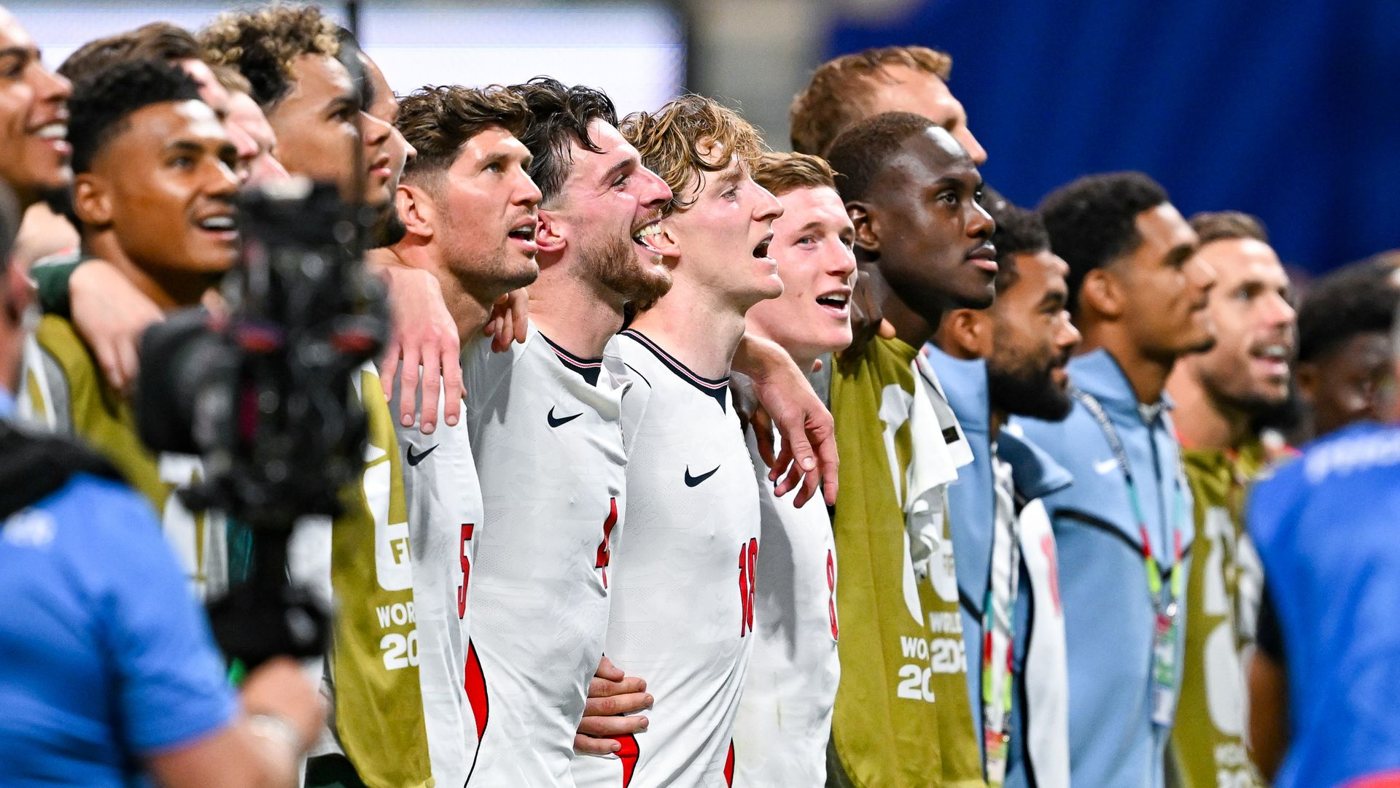
Oasis's 1995 hit Wonderwall has become the unofficial anthem for England's World Cup campaign, with players and fans joining in communal singalongs after matches, a trend endorsed by Liam Gallagher.
By Eleanor Ellington · 5 min read
Oasis's iconic 1995 hit «Wonderwall» has emerged as the defining soundtrack of England's World Cup campaign this summer, uniting players and supporters in spontaneous communal singalongs that have become a hallmark of the tournament. The song, originally released on the album «(What's the Story) Morning Glory?», has been adopted by the England squad and their travelling fans as a shared moment of celebration and solidarity, with captain Harry Kane and midfielder Jude Bellingham among those leading the chorus.
The phenomenon has been observed after several of England's matches, most notably following their dramatic 2-1 comeback victory against DR Congo in Atlanta. As the final whistle blew, players gathered on the pitch and fans in the stands broke into a collective rendition of the song, creating an atmosphere that has resonated across social media and broadcast coverage. The trend has been described as a «unifier» by observers, bridging the gap between the team and its supporters in a way that few other anthems have achieved at previous tournaments.
Liam Gallagher, the former Oasis frontman, has publicly endorsed the movement, urging England fans to «keep the biblical vibrations going». In a statement reported by multiple outlets, Gallagher expressed his approval of the song's adoption, noting that it has become a feature of the World Cup. His endorsement has added further momentum to the trend, with fans and players alike embracing the track as a rallying cry. The Gallagher brothers' band, Oasis, remains one of the most influential British rock acts of all time, and «Wonderwall» in particular has enjoyed a lasting cultural legacy, often being sung at football matches and other sporting events across the UK.
The adoption of «Wonderwall» as England's unofficial anthem is not entirely new; it has been heard at previous tournaments, including the 2018 World Cup in Russia, where fans spontaneously sang it in the stands. However, this summer's campaign has seen the song take on a more prominent role, with players actively participating in the singalongs. Harry Kane, who scored the winning goal against DR Congo, has been seen leading the chorus, while Jude Bellingham has also been spotted joining in. The trend reflects a broader tradition of football anthems, where songs like «Three Lions» and «Vindaloo» have historically captured the mood of England supporters during major tournaments.
The World Cup itself has been a rollercoaster for England, with Thomas Tuchel's side navigating a challenging group stage before advancing to the knockout rounds. The team's resilience, epitomised by Kane's late heroics against DR Congo, has endeared them to fans, and the communal singing of «Wonderwall» has become a symbol of that connection. As England prepare to face Mexico in the last 16 at the Azteca Stadium in Mexico City, the song is expected to be heard once again, both in the stands and among the players. The match represents a daunting test for Tuchel's side, given Mexico's status as co-hosts and the intimidating atmosphere of the Azteca, but the team's unity, underscored by the anthem, may prove a valuable asset.
Beyond the immediate tournament, the trend has sparked discussions about the role of music in football culture. «Wonderwall» has long been a staple at English football grounds, often sung ironically or with genuine affection, but its adoption by the national team represents a new chapter in its history. For many fans, the song evokes memories of past tournaments and shared experiences, while for younger supporters, it has become a fresh anthem for a new generation. The phenomenon has also been noted by international media, with commentators highlighting how a song from the 1990s has found new life in a modern sporting context.
The England squad's embrace of «Wonderwall» is part of a wider trend of players engaging with fan culture, whether through social media or on-pitch celebrations. In an era where the relationship between players and supporters can sometimes feel distant, moments like these help to foster a sense of collective identity. As the World Cup progresses, the song is likely to remain a fixture of England's campaign, providing a soundtrack to what the team hopes will be a deep run in the tournament. Whether it will achieve the same iconic status as «Three Lions» remains to be seen, but for now, «Wonderwall» has firmly established itself as the sound of England's summer.